

Mark 1:29-31
When he left the synagogue, he went with James and John to the house of Simon and Andrew. Simon’s mother-in-law was in bed, and they told him about her. “He went to her, took her by the hand, and lifted her up. The fever left her, and she began to serve them.”
Seeing
Upon leaving the synagogue, Jesus, accompanied by two of his disciples, heads to the house of Simon and Andrew, which is apparently located near the place of worship. These four disciples are already familiar to Jesus, suggesting an atmosphere of trust and closeness. They seek a moment of rest after the intense activity in the synagogue.
Peter’s mother-in-law, like many women of her time, took on the responsibility of attending to guests. Yet, on this occasion, she is unwell due to a fever. It is interesting to note that, despite their closeness to Jesus and their knowledge of his power, the disciples do not ask him to carry out a miracle. The absence of the female figure in the house, who traditionally took care of hospitality, has led the disciples to feel incapable of adequately attending to Jesus and his companions.
Although the disciples make no plea, Jesus heals the woman. This act of compassion not only demonstrates Jesus’ power but also his willingness to attend to the needs of those around him, even without being asked. Peter’s mother-in-law’s response is equally significant: by getting up and beginning to serve, she not only shows gratitude but also becomes an example of service and dedication.
Reflection Questions:
1. What does Jesus’ action of healing Peter’s mother-in-law without being asked to teach us?
2. How does the female figure influence the context of the home and hospitality in the narrative of the Gospel?
3. What significance does the act of getting up and serving Peter’s mother-in-law have about serving others?
4. In what way does the closeness of the disciples to Jesus affect their response to Peter’s mother-in-law’s need?
5. What can we learn about compassion and attending to the needs of others from this passage?
Judging
When reflecting on the passage of the healing of Peter’s mother-in-law, it is enriching to consider the interpretations of the Church Fathers. These theologians and spiritual leaders from the early centuries of Christianity offered profound reflections that help us better understand the meaning of this miracle in the context of faith and Christian life. Through their comments, we can see how the healing of Peter’s mother-in-law is not only an act of compassion but also a symbol of the integral restoration of the human being.
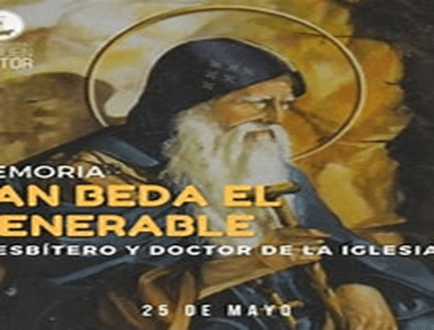
Saint Bede
Saint Bede analyzes the passage and compares it with Luke 4:38, where the disciples plead with Jesus to heal Peter’s mother-in-law. This detail highlights a fundamental characteristic of Jesus: His willingness to listen to the pleas of His faithful and to heal our ailments. The healing of Peter’s mother-in-law is so powerful that, despite having been bedridden, she feels strong enough to start serving her guests right away.
Saint Bede also draws a comparison between this healing and the liberation of the man possessed by a demon. This suggests that the healing of the woman signifies not only a physical restoration but also a symbol of spiritual and mental healing. While the man freed from the demon shows liberation from evil, the woman is healed of her physical ailment and of concupiscence through continence.
Theophilus
On his part, Theophilus attributes the fever to a manifestation of anger. When the woman is freed from it, she immediately gets up to serve. This interpretation suggests that healing is not only physical but also involves an internal transformation.
Saint Jerome
In contrast, Saint Jerome compares fever to incontinence, from which the children of God are liberated through temperance. This perspective invites us to think about how our own ailments are connected to deeper aspects of our spiritual and emotional lives.
Reflection Questions:
1. What does Jesus’ response to the disciples’ pleas teach us about the importance of intercession in our faith life?
2. How can we understand the healing of Peter’s mother-in-law as a symbol of the integral restoration of the human being?
3. In what way can fever, as a manifestation of anger or incontinence, show our own internal struggles?
4. What role does serving others play in our own healing and spiritual well-being?
5. How can we apply the teachings of this passage in our daily lives, especially in times of difficulty or illness?
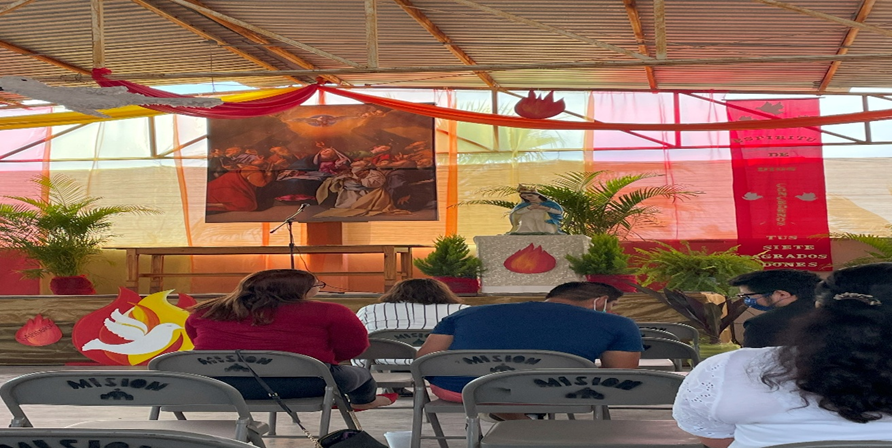
Pentecost Retreat
What does this passage teach us?
The teachings of Jesus, His closeness through the sacraments, and service to the community free us from many diseases and anxieties, both spiritual and psychological as well as physical. The prayer and faith with which we approach the Lord in times of distress are fundamental. Often, our return to the house of the Father, from which we have strayed over the years, liberates us from that which afflicts us.
It is true that healing is not always instantaneous, as described in the Gospel accounts. Nevertheless, experience teaches us that there are moments and needs that, although they seem unsolvable, can be transformed. In a specific instant, what weighed us down can disappear, and we find the capacity to start anew, this time with a renewed sense of relief and hope.
Anecdote of Healing
During my 30 years of service to the community, I have seen many physical and psychological healing. I want to share a particular experience: the healing of a young woman diagnosed with bone cancer.

Initiation Retreat
Arrival
On the second day of a charismatic initiation retreat, a mother and her fifteen-year-old daughter arrived seeking the priest. The mother, visibly distressed, shared that her daughter had been diagnosed with cancer in her femur and that the only choice was to amputate her leg. The desperation was palpable.
The Intercessory Prayer
Despite being busy leading the retreat, I felt the need to intervene. I asked a volunteer to take them to the intercession group, where a group of people was praying in front of the Blessed Sacrament for the needs of the attendees. We prayed not only for the healing of the young girl but also for the peace and acceptance of her mother. As we prayed, the mother began to calm down, and the expression on the girl’s face relaxed.
The Healing Process
We invited the family to join our weekly prayer group. Despite the challenges of treatment, we continued to pray for them. In one of our meetings, the young girl, now 16 and using crutches, shared her testimony: she had been discharged from the hospital and no longer needed an amputation, just a small trimming of bone. The community was filled with gratitude towards God.
The Grace of God
Although the doctors had warned that she would not have children, the young woman is now happily married and has children. Her parents, grateful for the blessings they received, serve in the community by organizing an online prayer group for those in need of support.

Retreat for Communities
Final Reflection
This experience reminds me that gratitude is a sign of a noble heart. Although not everyone who is healed returns to give thanks, this family has remained active in their faith and in the community. Every time I return to that city, I am welcomed with warmth and friendship, reminding me of the power of prayer and the importance of community in times of need.
Reflection Questions
1. How has prayer influenced your life or the life of someone close to you?
Reflect on moments when prayer has brought peace or healing in difficult situations.
2. What role does community play in your process of healing and spiritual growth?
Consider how the support of others has affected your life and your faith.
3. Have you ever experienced a desperation like that of the mother in the anecdote?
Think about how you faced those moments and what you learned from them.
4. In what ways can you contribute to the faith community to help others in their times of need?
Think on how you can be an instrument of support and prayer for those going through difficulties.
5. What does gratitude mean to you in the context of faith and healing?
Consider how gratitude can transform your perspective and your relationship with God and with others.
Act
God is here in our lives, and often the solutions to our problems are closer than we think. They do not need great sacrifices, just an attitude of faith, openness, and a willingness to serve others. By being attentive to the needs of those around us and offering our prayers and support, we can create a ripple effect of healing and hope within our community.
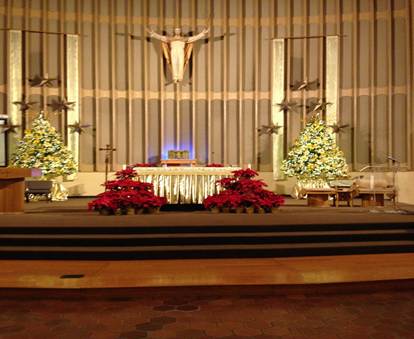
Saint John of God Church
Returning to the House of the Father
Returning to the house of the Father comes at no cost. You only need to have faith and believe that God, as a loving Father, extends His arms to welcome you and help you in your needs.
What Can You Do?
1. Pray with simplicity and humility, asking with faith.
2. Seek spiritual help from people who can support you in your needs through prayer.
3. Stay away from charlatans who only seek your money and do not offer real solutions.
4. Listen to and follow the advice of doctors if you are facing health issues.
5. Pray consistently, intensely, and meditate on the Word of God; there you will find light to face any challenge.
6. Do not lose faith or hope; remember that the sun always rises again after a storm.
Reflection Questions
1. What concrete steps can you take today to draw closer to God in times of difficulty?
2. Who in your life benefits from your spiritual support and prayer?
3. How can you discern between true sources of help and those that only seek to take advantage of your vulnerability?
4. What Bible verse inspires you to keep faith and hope in difficult times?
5. How can you be an instrument of peace and hope for others in your community?
Conclusion
In times of illness, tension, or difficulty, it is vital to remember that we are never alone. God is always here, extending His loving arms toward us, ready to embrace and guide us. Faith, prayer, and the support of our community are powerful tools that allow us to face any challenge with courage and hope.
Invitation to take action
I invite you to take action today. Pray sincerely, seek the support of those around you, and keep your heart open to the solutions that God has for you. Steer clear of distractions and those who only seek to take advantage of your vulnerability. Instead, focus on the light that emanates from the Word of God and the strength found in the community of faith.
Remember: the sun always rises again after the storm. Do not lose faith or hope, for each day is a new opportunity to experience God’s goodness in your life.
I encourage you to join my blog, where I share more reflections and resources to strengthen our faith and spread the Word of God. Together, we can be beacons of light and hope in a world that often feels dark. Share this message and help us bring hope to more hearts!
Sources of the Article:
– Catena Aurea, Comentarios al Evangelio, San Marcos, Santo Tomás de Aquino, Ivory Falls Books, 2016
– Biblia de Jerusalén, Editorial Desclée, 1992
– Comentario Al Evangelio de Marcos, Juan Mateos, S.J. Centro de Reflexión Teológica, 1990
– La Noticia de Jesús según San Marcos, Luis Mosconi, Ediciones Dabar, 1993
 Reflexiones Espirituales
Leave a comment