
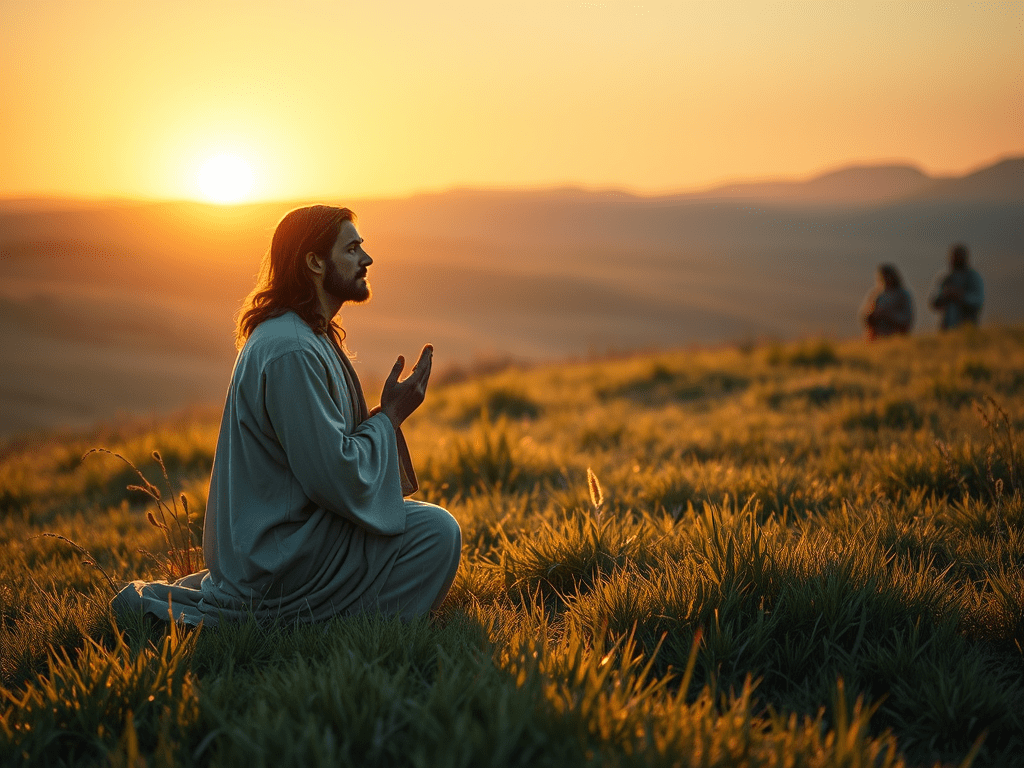
Mark 1: 35-39
Very early in the morning, while it was still dark, Jesus got up, left the house, and went off to a solitary place, where he prayed. Simon and his companions went to look for him, and when they found him, they exclaimed: “Everyone is looking for you!” Jesus replied, “Let us go somewhere else—to the nearby villages—so I can preach there also. That is why I have come.” So, he traveled throughout Galilee, preaching in their synagogues and driving out demons.
Introduction
We have been meditating on the Gospel of Mark. This Gospel, known as “the one of wonders,” presents the human-divine traits of Jesus. In today’s passage, Mark 1:35-39, we are introduced to the process of establishing the Kingdom through the “messianic secret.”
We will use the Catholic Church’s method for meditating on Sacred Scriptures: SEE (what the sacred writer intended to communicate), JUDGE (what this means in our time), and ACT (how to apply the message in our lives).
The Ignatian Meditation
The Ignatian meditation, based on the spiritual exercises of St. Ignatius of Loyola, focuses on contemplation and reflection to deepen our personal relationship with God. Below are the basic steps of Ignatian meditation:
1. Preparation:
Find a quiet and comfortable place where you can meditate without distractions. Take a moment to calm your mind and body. You say a brief prayer asking for the help of the Holy Spirit.
2. Invocation:
Start the meditation by invoking the presence of God. You can do this with a short prayer, asking for clarity and openness to get what God wants to communicate to you:
> “I adore you, my God, with all the affection of my soul, and I ask for grace that all my intentions, actions, and operations be purely ordered in service and praise of your divine majesty.”
3. Reading the Text:
Choose a passage from the Bible or a spiritual text that you wish to meditate on. Read it carefully, allowing the words to resonate in your heart. Today, we will delve into Mark 1: 35-39. St. Ignatius speaks of the “composition of place,” meaning that once we have read the text, we should enter the passage not as mere spectators but as active participants.
4. Reflection:
Think on the text. Ask yourself what God is saying to you through it. Consider questions like: What stands out to me? What emotions arise within me? What does this invite me to do or change in my life? Applying this to the text of Mark, let us imagine that we are accompanying Jesus and the disciples. It is early morning, and the rays of the sun are just beginning on the horizon. Let us feel the morning breeze, the scent of the grass dampened by the dew, a rooster crowing announces that it is time to start the day, and dogs barking at the movement of strangers.
5. Contemplation:
Imagine the scene of the passage. Visualize the characters, the surroundings, and the feelings. Allow yourself to enter the story and experience what is happening. Visualize the disciples beginning to rise and, a little apart from the rest, Jesus in a posture of prayer.
6. Dialogue with God:
Talk to God about your thoughts, feelings, and reflections. Express your doubts, gratitude, or anything else that arises in your heart.
7. Resolution:
At the end of the meditation, consider how you can apply what you have learned in your daily life. Make a commitment or resolution that will help you live according to what you have meditated on.
8. Closing:
Conclude with a prayer of thanksgiving, asking for the grace to live out what you have reflected on and meditated.
Experience in the Classroom
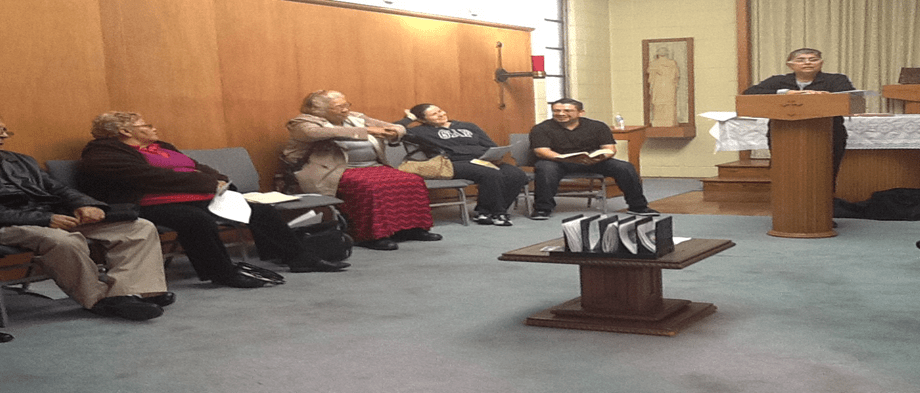
In my more than 30 years as a religion teacher, I have used this method with my students aged 11 to 14. I was amazed to see how capable they were of delving into meditation. Their comments were always extraordinary, sharing deep and meaningful spiritual experiences. In fact, they constantly asked me to include meditation in our religion classes at least once or twice a month. This practice not only enriched their understanding of the faith but also fostered an environment of reflection and connection with God.
Talking with my students about their spiritual experiences after the meditations, they shared with me: “I saw Jesus coming towards me, embracing me, and listening to everything I told Him about my problems at home. He comforted me and smiled at me.” The boy ended up in tears. Others mentioned how they had heard birds singing and, above all, that they felt overwhelmed with peace and that their fears had faded away. I can assure you that it was not just imagination, as their behavior gradually changed, and they became more mature young people who enjoyed attending Mass.
Experiential Testimony from My Students
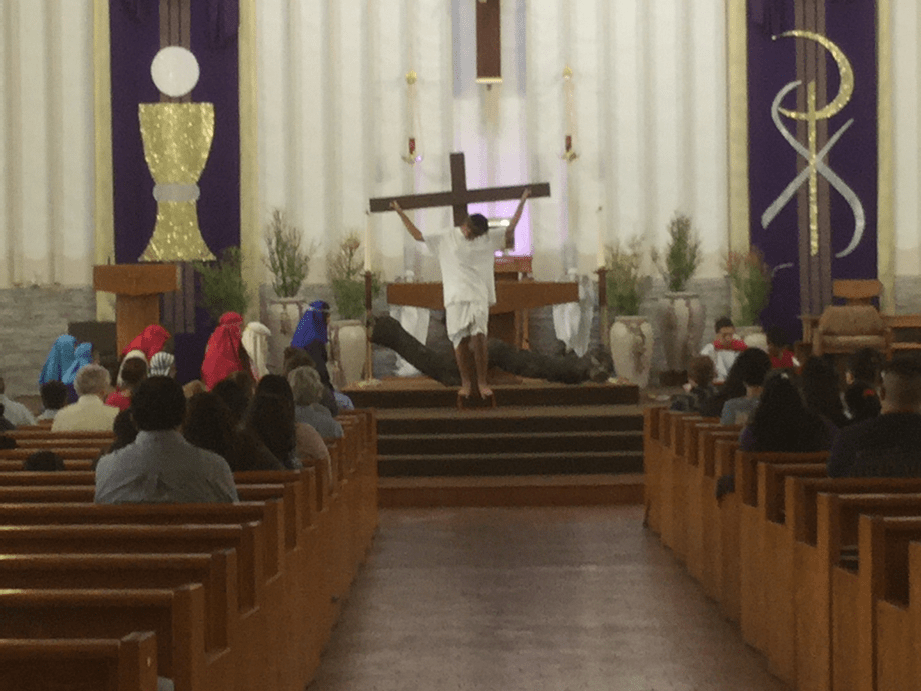
They loved participating in the activities of the Student Religion Committee, like praying the rosary during the month of October, the living rosary on October 7th, the Christmas musical program, participating in the Stations of the Cross on Fridays during Lent, and the culmination of it all, the Living Stations of the Cross on Good Friday.
Each year, attendance at the Stations of the Cross increased. Notably, the attendance of alumni at this devotion was remarkable. At the end of the Stations of the Cross, my former students would come to greet me and comment, “Remember that I played such-and-such role when I was here at school!” All of them, men and women, some already in college, expressed their pride in having participated in some of the liturgical activities during their adolescence.
Final Reflection
This passage invites us to consider the importance of prayer and solitude in our spiritual lives. Jesus, despite being sought by many, prioritizes his connection with the Father. In a world full of distractions, how can we find our own “solitary place” to pray and think?

Invitation to Spread the Kingdom
We invite you to join this mission of spreading the Kingdom of God. Share this article with friends, family, and on your social media. By doing so, you are not only contributing to the dissemination of a message of hope and faith but also encouraging others to think about their own spiritual lives and take action on their journey toward God.
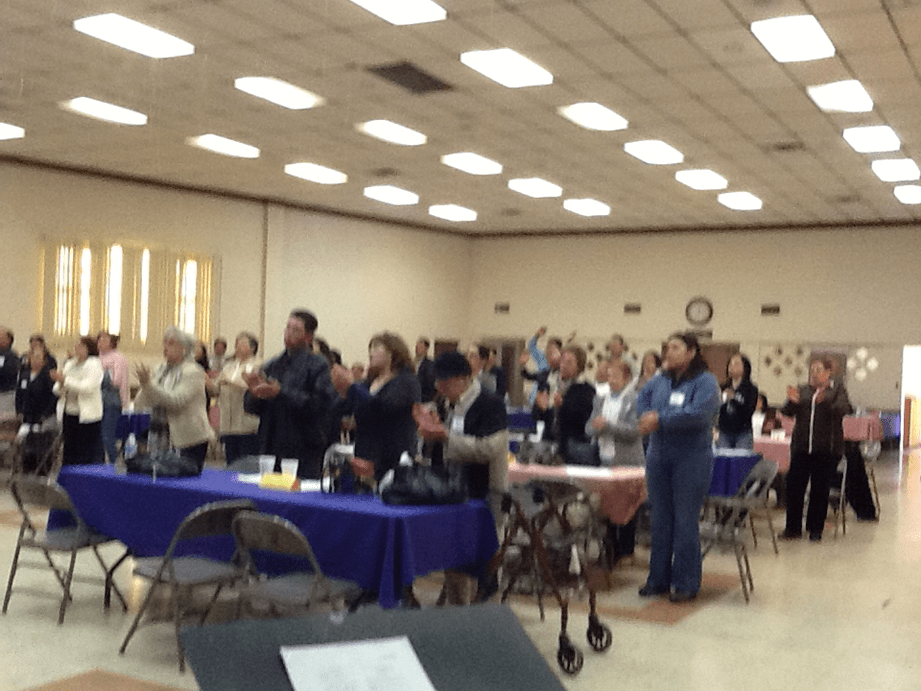
Each of us has a role to play in building a better world. Together, we can be agents of change, bringing the love and truth of Christ to every corner of our society. Let us act today and be light during darkness!
Invitation to Share Experiences
We would love to hear your experiences and reflections on how you apply the rule of “as much as” in your daily life. Have you found creative ways to act in your faith? What changes have you made in your routine that have brought you closer to God and your community? We invite you to share your stories and leanings in the comments. Together, we can inspire one another and build a stronger community in our pursuit of living fully in faith. We look ahead to your contributions!
@vocatios.blog
@anamriaguzman2234

 Reflexiones Espirituales
Leave a comment