

Mark 2: 1 – 12
In the passage of Mark 2: 1-12, we find Jesus in Capernaum, in Peter’s house. The crowd gathers, some with the expectation of a miracle, others with faith in the Master, and still others with the intention of criticizing Him. Amidst this diversity, a group of men strives to bring their paralyzed friend before Jesus, hoping that His mercy will heal him.
The crowd blocks their access, but these men, driven by their faith and boldness, decide to take the paralytic up to the roof of the house. Finding a space, they lower him down before Jesus. In an unexpected turn, Jesus says, “Your sins are forgiven.” These words surprise those there, as the paralytic had come seeking physical healing, and Jesus offers him spiritual healing instead.
Jesus’ enemies, upon hearing this, rush to condemn His words without understanding their profound meaning. Yet, Jesus, seizing on the protest of His adversaries, performs a double miracle: the paralytic gets up and walks. This act not only demonstrates Jesus’ authority over the physical but also over the spiritual, affirming His sovereignty over both the visible and the invisible.
When analyzing the different groups existing in this account, we notice that their intentions vary. On one hand, there are the followers of Jesus, motivated by their faith and love. Then, there are the curious ones seeking reasons to believe. We also find those who are looking for personal gain, and finally, the opponents who try to discredit Jesus.
Today, in our communities and organizations, we meet people with similar motivations. Some seek the truth and stay steadfast in their faith, even in the face of adversity. Others, nonetheless, pursue personal interests, willing to destroy anything that stands in their way. There are also those who, while analytical, seek to delve deeper into the truth without any intention of controversy.
The teachings of Jesus invite us to transcend human limitations. Through faith, hope, and charity, we can see beyond the material and anchor ourselves in the spiritual and eternal.
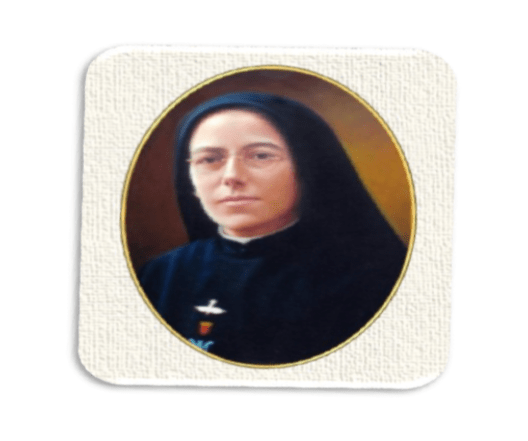
Advice from R.M. Julia Navarrete M.H.P.V.M.
R.M. Julia Navarrete, an inspiring figure in our community, reminds us of the importance of our mission in the Church:
“Our apostolic life demands that we find with the Church, considering ourselves members of it, and responsible for the souls entrusted to us. (Haces de Luz #413)”
This advice profoundly clarifies and guides us about our feelings, intentions, and the way we carry out our apostolate. It is not about a personal and isolated effort, but about acting in communion with the Church we serve.
Reflection: How can you recognize more with the faith community to which you belong and be an instrument of love and service within it?
ACT
1. Consider on Your Intentions: Take a moment to evaluate your motivations in different areas of your life. Are you seeking truth and the common good, or are you being swayed by personal interests?
2. Practice Empathy: Like the friends of the paralytic, look for ways to help those around you. Offer your support to those going through difficult times, whether through a phone call, a visit, or simply by listening.
3. Get Involved in Your Community: Engage in activities that promote the well-being of your community. This includes volunteering with local organizations, participating in prayer groups, or joining initiatives aimed at helping those in need.
4. Study and Deepen Your Faith: Dedicate time to read and consider the teachings of Jesus. Consider joining a Bible study group where you can share and learn with others.
5. Be an Agent of Change: Confront injustices and act with integrity in your environment. Do not allow the personal interests of others to divert you from your path toward truth and goodness.
By putting these actions into practice, you will not only strengthen your own faith but also contribute to creating a more compassionate and supportive environment in your community.
Conclusion:
The story of the paralytic in Mark 2:1-12 invites us to think about our own motivations and actions in life. It reminds us that authentic faith not only seeks personal healing but also compels us to be instruments of love and service for others. Like the friends of the paralytic, we are called to overcome obstacles and lead others toward the light of Christ, acting in communion with our faith community. The teaching of R.M. Julia Navarrete reminds us that our apostolic life must be rooted in our identification with the Church and in our responsibility toward those entrusted to us.
Invitation to Collaborate
We invite you to be an active part of this space for reflection and spiritual growth. If you have experiences, testimonies, or reflections you would like to share, please do not hesitate to contact us. Your voice is valuable and can inspire others on their faith journey. Together, we can build a stronger and more united community, where each of us contributes to the spiritual well-being of others. We expect your contributions and thank you for being part of this mission!

@vocatios.blog
@anamriaguzman2234
 Reflexiones Espirituales
Leave a comment