-
La Paz del Resucitado
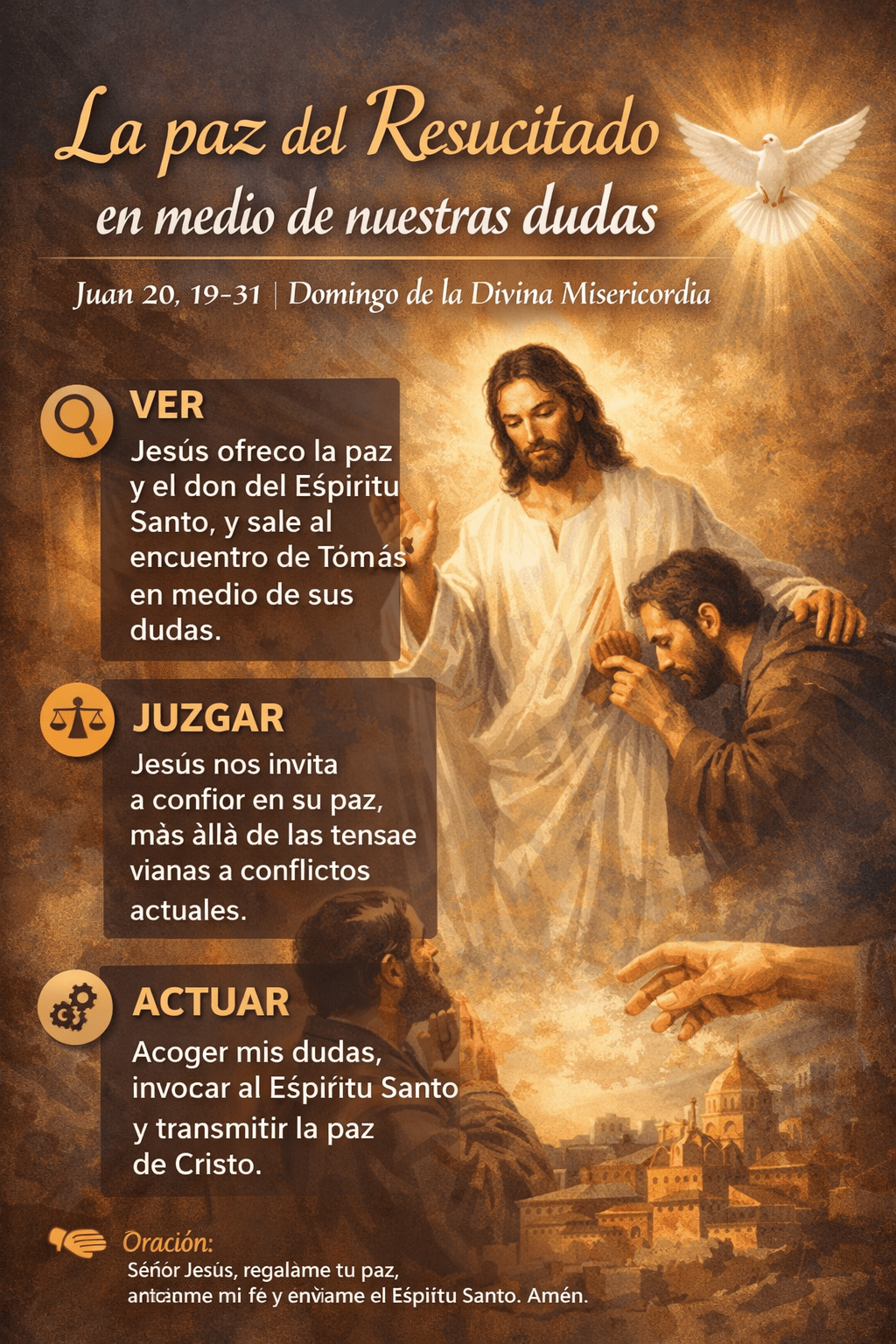
Evangelio: Juan 20, 19-31
Meditación Pascual
VER (¿Qué dice el texto en su contexto?)
El Evangelio nos sitúa en el primer día de la semana, con los discípulos encerrados por miedo. Han vivido la muerte de Jesús y su esperanza parece quebrada. En medio de ese ambiente de temor e incertidumbre, Jesús resucitado se hace presente.
Tres elementos destacan:
- El saludo de Jesús: “La paz esté con ustedes”
No es un saludo común. Jesús ofrece una paz que no depende de las circunstancias externas, sino de su presencia viva. Los discípulos siguen en una realidad peligrosa, pero ahora ya no están solos. - Las dudas de Tomás
Tomás no estaba presente y no puede creer solo por el testimonio de los otros. Su exigencia es concreta: ver y tocar. Ocho días después, Jesús vuelve y sale al encuentro de su incredulidad, invitándolo a creer. - El don del Espíritu Santo y la misión
Jesús sopla sobre ellos y les da el Espíritu Santo, junto con la misión de perdonar los pecados. Este gesto confirma que la resurrección no es solo un hecho, sino el inicio de una nueva vida y misión en la Iglesia.
El evangelista concluye afirmando que estos signos fueron escritos para que creamos que Jesús es el Señor.
JUZGAR (¿Qué nos dice hoy?)
Este Evangelio ilumina profundamente nuestra realidad actual:
- La paz en medio del conflicto
Vivimos tiempos marcados por tensiones, guerras y divisiones. Las discusiones actuales sobre la paz, incluso entre líderes mundiales, muestran que el mundo busca soluciones humanas muchas veces insuficientes.
Jesús nos recuerda que la verdadera paz no es ausencia de conflicto, sino su presencia en medio de él. - La duda como camino hacia la fe
Como Tomás, también nosotros experimentamos dudas: ante el dolor, la injusticia o las crisis personales.
Jesús no rechaza a Tomás, sino que sale a su encuentro. Esto nos enseña que la duda honesta puede ser un camino hacia una fe más profunda. - El Espíritu Santo como fuerza y certeza
No estamos solos en nuestra fe. El Espíritu Santo nos fortalece, nos guía y confirma la verdad de la resurrección.
En un mundo donde muchas voces cuestionan la verdad, el Espíritu nos sostiene para creer y dar testimonio.
ACTUAR (¿Qué debo hacer?)
Este Evangelio nos invita a acciones concretas:
- Buscar y transmitir la paz de Cristo
- En mi familia, trabajo o comunidad
- Evitando discusiones destructivas
- Siendo instrumento de reconciliación
- Aceptar mis dudas y llevarlas a Jesús
- No ocultarlas ni negarlas
- Orar con sinceridad
- Buscar respuestas en la Palabra y la comunidad
- Abrirme al Espíritu Santo
- Invocarlo diariamente
- Pedir fortaleza en momentos difíciles
- Confiar en que Él guía mi vida
- Ser testigo de la resurrección
- Con mis palabras, pero sobre todo con mi vida
- Viviendo con esperanza, incluso en medio de problemas
- Mostrando que Cristo vive en mí
Oración
Señor Jesús,
Tú que vienes en medio de mis miedos y dudas,
regálame tu paz.Aumenta mi fe cuando no entiendo,
y envíame tu Espíritu
para vivir como verdadero testigo de tu resurrección.Amén.
 One-TimeMonthlyYearly
Make a one-time donation
Make a monthly donation
Make a yearly donation
Choose an amount
MX$5.00MX$15.00MX$100.00MX$5.00MX$15.00MX$100.00MX$5.00MX$15.00MX$100.00Or enter a custom amount
MX$
Your contribution is appreciated.
Your contribution is appreciated.
Your contribution is appreciated.
- El saludo de Jesús: “La paz esté con ustedes”
-
Este es el Cordero de Dios
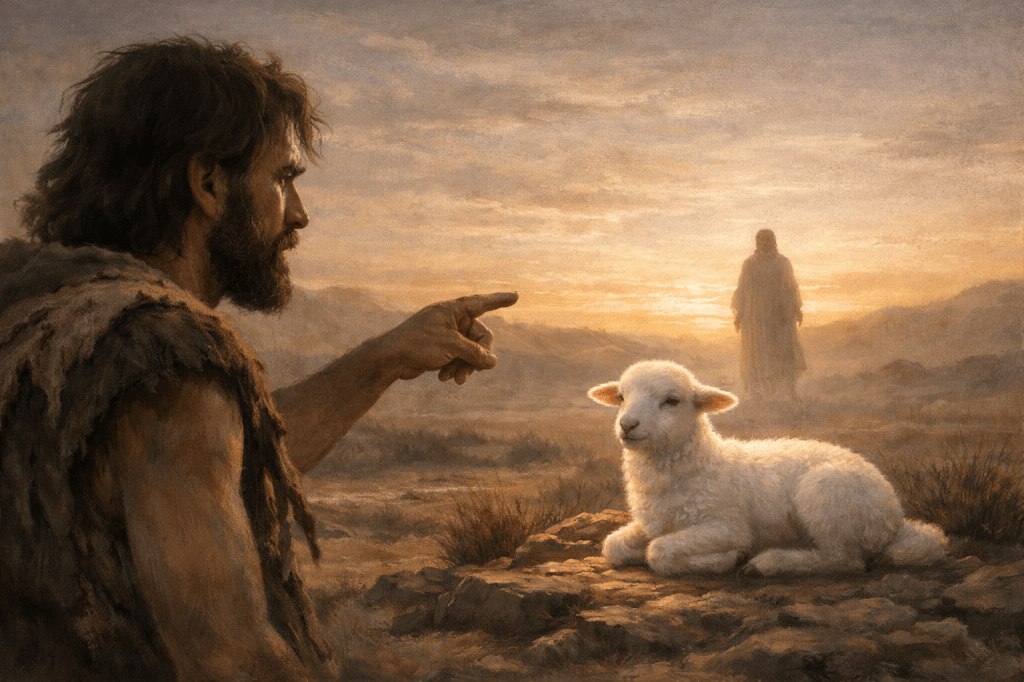
«Este es el Cordero de Dios, que quita el pecado del mundo»
Introducción
Reflexiones Espirituales es un espacio para detenernos, escuchar la Palabra y dejar que el Evangelio ilumine la vida diaria.
Cada reflexión busca ayudarnos a volver a lo esencial y a caminar con Cristo, en medio de lo cotidiano.Juan el Bautista y la misión de señalar a Cristo
Juan 1, 29–34
En aquel tiempo, al ver Juan a Jesús que venía hacia él, dijo:
«Este es el Cordero de Dios, que quita el pecado del mundo.
Este es aquel de quien yo dije:
Después de mí viene un hombre que me precede,
porque existía antes que yo.Yo no lo conocía,
pero he venido a bautizar con agua
para que Él sea manifestado a Israel».Juan dio testimonio diciendo:
«He visto al Espíritu descender del cielo como una paloma
y posarse sobre Él.
Y yo doy testimonio de que este es el Hijo de Dios».VER
Un hombre que reconoce y señala
Juan el Bautista no habla de sí mismo. Habla de Jesús.
Cuando proclama: «Este es el Cordero de Dios, que quita el pecado del mundo» (Jn 1,29), Juan está haciendo una confesión de fe y un acto misionero. Reconoce en Jesús al Enviado del Padre y lo señala públicamente para que otros puedan encontrarlo.
Juan tenía seguidores, prestigio y autoridad moral. Era escuchado por el pueblo y observado con recelo por las autoridades. Sin embargo, cuando Jesús aparece, Juan no duda. Su misión no es ocupar el centro, sino mostrar a Cristo y hacerse a un lado.
En la adoración eucarística —como lo vivimos en la Hora Santa de la semana pasada— sucede algo parecido. Jesús está presente sin imponerse. No busca llamar la atención. Permanece en silencio, cercano, disponible. Así se nos revela el Cordero de Dios: humilde, entregado, real.
JUZGAR
¿Qué estamos poniendo en el centro de nuestra vida?
El Papa León XIV nos ayuda a mirar con honestidad nuestro tiempo. Vivimos en una cultura que valora la visibilidad, el aplauso y el reconocimiento. Muchas personas terminan persiguiendo estas cosas pensando que ahí encontrarán felicidad.
Pero esas promesas son frágiles.
Duran poco.
Dejan vacío el corazón.Jesús no nos ofrece una felicidad superficial ni momentánea. Nos ofrece el amor de un Padre que nos conoce, nos desea y camina con nosotros. El Cordero de Dios no viene a deslumbrar, sino a cargar con nuestras heridas y con el pecado del mundo.
Juan el Bautista entendió esto con claridad. Por eso no compite con Jesús ni busca retener a la gente. Su alegría está en que Cristo sea reconocido. Ahí está la verdadera grandeza.
Cuando nosotros perdemos de vista esto, la fe se debilita y la misión se enfría. Pero cuando Jesús vuelve al centro, todo se ordena: la vida, las decisiones y el servicio.
ACTUAR
De la contemplación a la misión
Reconocer al Cordero de Dios no es solo un acto personal. Es una experiencia que nos envía.
1. Vivir como testigos, no como protagonistas
Nuestra vida está llamada a señalar a Cristo, no a reemplazarlo. Evangelizar es ayudar a otros a encontrarlo.2. Cuidar el silencio y la oración
El Papa nos invita a “ir al desierto”. Es decir, a buscar momentos de silencio para rezar, escuchar y dejarnos transformar. Sin encuentro con el Señor, no hay anuncio auténtico.3. Compartir lo que hemos encontrado
Juan no guardó su experiencia. La proclamó. También nosotros estamos llamados a decir, con sencillez y coherencia: “Este es el Cordero de Dios”.Cada gesto de amor, cada palabra sincera, cada acto de servicio puede convertirse en anuncio.
Una invitación misionera
La evangelización comienza cuando alguien se atreve a señalar a Jesús.
Si este artículo te ayudó a reconocer un poco más al Cordero de Dios:
- Compártelo con alguien que esté buscando sentido o consuelo.
- Difúndelo en tus redes como un gesto sencillo de misión.
- Sigue este blog y caminemos juntos en el deseo de anunciar a Cristo.
Hoy, como Juan el Bautista, la Iglesia necesita hombres y mujeres que, con humildad y convicción, digan con su vida:
«Este es el Cordero de Dios, que quita el pecado del mundo».
Si esta reflexión te ayuda a orar, a comprender mejor el Evangelio o a mantener viva la fe, te invito a seguir este blog y compartir el camino.
Comparte este artículo si puede ayudar a alguien más.
Evangelizar también es señalar a Cristo con sencillez.@vocatios.blog
@anamriaguzman2234
 One-TimeMonthlyYearly
Make a one-time donation
Make a monthly donation
Make a yearly donation
Choose an amount
MX$5.00MX$15.00MX$100.00MX$5.00MX$15.00MX$100.00MX$5.00MX$15.00MX$100.00Or enter a custom amount
MX$
Your contribution is appreciated.
Your contribution is appreciated.
Your contribution is appreciated.
-
La Epifanía del Señor
Mateo 2; 1-12
Jesús había nacido en Belén de Judá durante el reinado de Herodes. Unos Magos que venían de Oriente llegaron a Jerusalén preguntando: ‘¿Dónde está el rey de los judíos recién nacido? Porque hemos visto su estrella en el Oriente y venimos a adorarlo. Herodes y toda Jerusalén quedaron muy alborotados al oír esto. Reunió de inmediato a los sumos sacerdotes y a los que enseñaban la Ley al pueblo, y les hizo precisar dónde tenía que nacer el Mesías.
Ellos le contestaron: ‘En Belén de Judá, pues así lo escribió el profeta:’ Y tú, Belén, tierra de Judá, no eres en absoluto la más pequeña entre los pueblos de Judá, porque de ti saldrá un jefe, el que apacentará a mi pueblo, Israel.
Entonces Herodes llamó en privado a los Magos, y les hizo precisar la fecha en que se les había aparecido la estrella. Después los envió a Belén y les dijo: ‘Vayan y averigüen bien todo lo que se refiere a ese niño, y apenas lo encuentren, avísenme, porque yo también iré a rendirle homenaje.
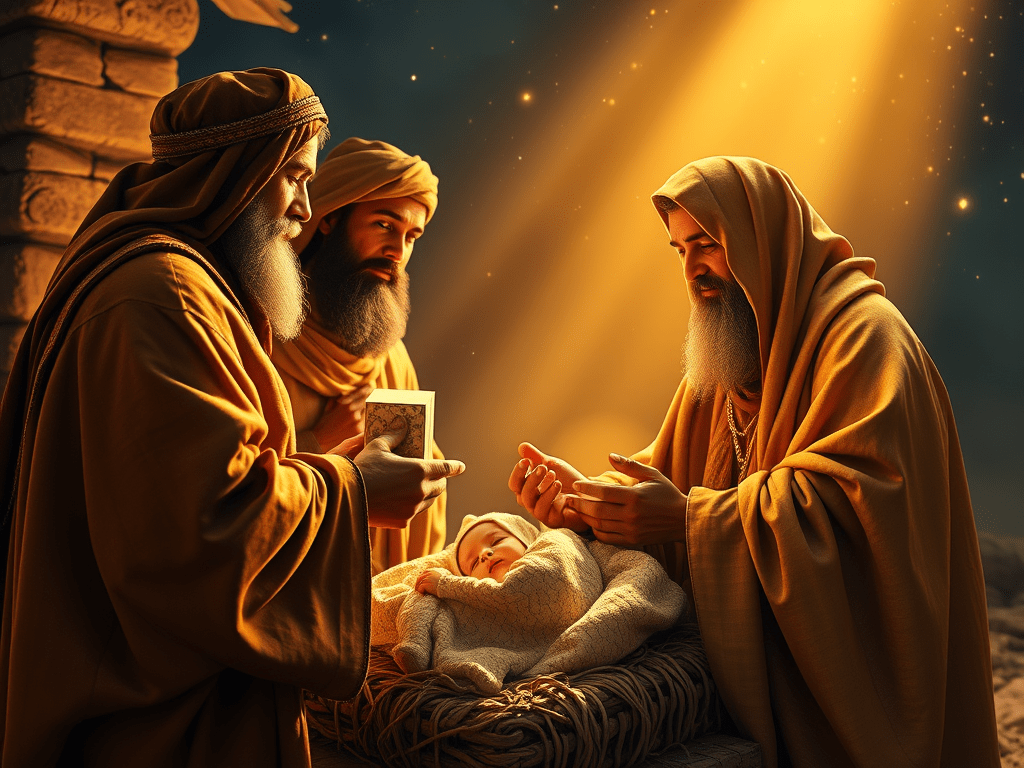
Después de esta entrevista con el rey, los Magos se pusieron en camino; y fíjense: la estrella que habían visto en el Oriente iba delante de ellos, hasta que se detuvo sobre el lugar donde estaba el niño. ¡Qué alegría más grande: habían visto otra vez la estrella! Al entrar en la casa vieron al niño con María, su madre; se arrodillaron y le adoraron. Abrieron después sus cofres y le ofrecieron sus regalos de oro, incienso y mirra. Luego se les avisó en sueños que no volvieran donde Herodes, así que regresaron a su país por otro camino.
VER: Análisis Detallado de la Epifanía del Señor
¿Quiénes eran los Magos?
Los Magos, también conocidos como los Reyes Magos o los Sabios de Oriente, son figuras que han fascinado a la tradición cristiana. Aunque el Evangelio de Mateo no especifica su número, la tradición ha establecido que eran tres, probablemente debido a los tres regalos que ofrecieron. Se les describe como sabios o astrólogos que provenían de tierras lejanas, posiblemente de Persia o Babilonia. Su conocimiento de las estrellas y su búsqueda de la verdad los llevaron a reconocer la señal del nacimiento de un rey, lo que indica que eran personas cultas y con una profunda curiosidad espiritual.
¿Por qué siguieron la estrella?
La estrella que siguieron los Magos es un símbolo de guía y revelación divina. En la antigüedad, las estrellas eran vistas como portadoras de mensajes y signos. Al observar un fenómeno celestial inusual, los Magos interpretaron que era un indicativo del nacimiento de un rey, lo que los motivó a emprender un largo viaje. Su decisión de seguir la estrella refleja su disposición a buscar la verdad y su fe en que este nuevo rey traería un cambio significativo. Este acto de seguir la estrella también simboliza la búsqueda espiritual que todos estamos llamados a realizar en nuestras vidas.
¿Qué significó para Herodes el saber que había nacido un rey en su reino?
La noticia del nacimiento de un nuevo rey en Judea fue una amenaza directa para Herodes, quien era el rey en ese momento. Herodes era conocido por su paranoia y su deseo de mantener el control absoluto sobre su reino. La llegada de los Magos y su búsqueda del “rey de los judíos” generó en él una profunda inquietud y temor. Para Herodes, la posibilidad de que un nuevo rey pudiera desestabilizar su poder lo llevó a tramar un plan para eliminar a Jesús, lo que revela su disposición a recurrir a la violencia para proteger su posición. Este conflicto entre el poder terrenal y el poder divino es un tema recurrente en la narrativa del Evangelio.
¿Qué significó para los Magos encontrar al rey en la pobreza?
El encuentro de los Magos con el niño Jesús en un entorno humilde y pobre fue un momento de gran significado. A pesar de su estatus como sabios y su viaje a través de tierras lejanas, encontraron al rey no en un palacio, sino en un establo. Esto subraya el mensaje central del cristianismo: la grandeza de Dios se manifiesta en la humildad y la sencillez. Para los Magos, este encuentro pudo haber sido una revelación de que el verdadero poder y la realeza no se encuentran en la riqueza o el estatus, sino en la bondad, la humildad y el amor. Este contraste también invita a la reflexión sobre nuestras propias expectativas y valores en relación con el poder y la autoridad.
¿Qué significado tienen los tres regalos mencionados?
Los tres regalos ofrecidos por los Magos —oro, incienso y mirra— tienen un profundo simbolismo:
1. Oro: Representa la realeza y la dignidad. Al ofrecer oro, los Magos reconocen a Jesús como rey, un acto de homenaje que subraya su autoridad divina.
2. Incienso: Este regalo simboliza la divinidad. El incienso se utilizaba en rituales religiosos y era un signo de adoración. Al ofrecer incienso, los Magos reconocen la naturaleza divina de Jesús, quien es el Hijo de Dios.
3. Mirra: Este regalo es más complejo, ya que la mirra se utilizaba para embalsamar y, por lo tanto, prefigura el sufrimiento y la muerte de Jesús. Al ofrecer mirra, los Magos anticipan el sacrificio que Jesús haría por la humanidad, subrayando la dualidad de su naturaleza como rey y como salvador que sufriría por el bien de los demás.
¿Cómo se manifestó la providencia al avisarle a los Magos los planes de Herodes?
La providencia divina se manifiesta en la advertencia que los Magos reciben en sueños, donde se les instruye a no regresar a Herodes. Este aviso es un claro ejemplo de cómo Dios guía y protege a aquellos que buscan la verdad. A través de esta intervención, se evita que los Magos se conviertan en instrumentos de los planes maliciosos de Herodes. Este acto de protección también resalta la importancia de la escucha y la obediencia a la voz de Dios en nuestras vidas. La providencia divina se manifiesta no solo en la protección de Jesús, sino también en la dirección que se ofrece a los Magos, quienes, al seguir esta advertencia, se convierten en mensajeros de la luz y la esperanza.
Conclusión de la sección
La Epifanía del Señor, a través de la historia de los Magos, nos invita a reflexionar sobre la búsqueda de la verdad, la humildad, el reconocimiento de la divinidad de Cristo y la importancia de la providencia en nuestras vidas. Cada uno de estos elementos nos ofrece una rica comprensión de lo que significa la manifestación de Dios en el mundo y cómo podemos aplicar estas lecciones en nuestra vida diaria.
JUZGAR: Reflexionando sobre la Epifanía del Señor en Nuestro Tiempo
¿Cómo podemos juzgar los acontecimientos pasados en nuestro tiempo?
Al juzgar los acontecimientos de la Epifanía del Señor en el contexto actual, es fundamental reconocer que la búsqueda de la verdad y la luz sigue siendo un tema relevante. Los Magos, al seguir la estrella, nos enseñan que la búsqueda espiritual es un viaje que todos estamos llamados a emprender. En un mundo donde la información es abundante pero a menudo confusa, la historia de los Magos nos invita a discernir y buscar lo que realmente importa: la verdad que se encuentra en Cristo.
Además, la reacción de Herodes ante el nacimiento de Jesús refleja las luchas de poder que aún persisten en nuestra sociedad. La historia nos recuerda que la llegada de la luz puede ser amenazada por aquellos que se aferran al control y al poder. En este sentido, podemos juzgar que, aunque los tiempos han cambiado, las dinámicas de poder, miedo y resistencia al cambio siguen presentes en nuestra realidad.
¿Qué podemos aprender de este gran suceso?
La Epifanía nos enseña varias lecciones valiosas:
1. La Universalidad de la Misión de Cristo: La llegada de los Magos simboliza que el mensaje de Jesús es para todos, sin importar su origen o estatus. Esto nos llama a ser inclusivos y a reconocer la dignidad de cada persona.
2. La Humildad como Virtud: El hecho de que el Rey de Reyes naciera en la pobreza nos invita a valorar la humildad y a reconocer que la verdadera grandeza no se mide por posesiones materiales, sino por el amor y el servicio a los demás.
3. La Importancia de la Discernimiento: La advertencia divina a los Magos nos recuerda que debemos estar atentos a las señales de Dios en nuestras vidas y ser obedientes a su guía, incluso cuando eso implique tomar decisiones difíciles.
4. La Resistencia al Cambio: La historia de Herodes nos muestra cómo el miedo a perder el poder puede llevar a acciones destructivas. Esto nos invita a reflexionar sobre nuestras propias resistencias al cambio y cómo podemos abrirnos a la transformación que Dios desea para nosotros.
¿En qué parte de la historia de la salvación y de nuestra historia personal puede hacer eco este suceso tan significativo?
La Epifanía se sitúa en un momento crucial de la historia de la salvación, donde se revela que Jesús es el Salvador no solo de Israel, sino de toda la humanidad. Este evento se conecta con la promesa de Dios de enviar un Mesías que traería luz y esperanza al mundo. En nuestra historia personal, podemos encontrar ecos de la Epifanía en momentos de búsqueda espiritual, en la búsqueda de respuestas a preguntas profundas sobre nuestra existencia y propósito. Cada vez que nos encontramos en la búsqueda de la verdad, estamos viviendo una pequeña epifanía.
Además, en tiempos de crisis o incertidumbre, la luz de Cristo puede guiarnos, tal como guió a los Magos. La Epifanía nos recuerda que, incluso en nuestras luchas personales, Dios está presente y nos invita a descubrir su amor y su plan para nosotros.
¿Cuál es el contraste entre el mensaje del Evangelio y las normas sociales actuales?
El mensaje del Evangelio, tal como se manifiesta en la Epifanía, contrasta fuertemente con muchas normas sociales actuales. Algunas de las diferencias incluyen:
- Valor de la Humildad vs. Búsqueda de Poder:
Mientras que el mundo a menudo valora el éxito, el estatus y el poder, el Evangelio nos llama a la humildad y al servicio. La Epifanía nos recuerda que la verdadera grandeza se encuentra en la sencillez y en el amor hacia los demás.
2. Inclusividad vs. Exclusividad: La llegada de los Magos simboliza la apertura del mensaje de Cristo a todos. En contraste, muchas normas sociales actuales pueden ser exclusivas, fomentando divisiones basadas en raza, religión, género o clase social. El Evangelio nos desafía a construir comunidades inclusivas que reflejen el amor de Dios por todos.
3. Búsqueda de la Verdad vs. Relativismo: En un mundo donde la verdad a menudo se percibe como subjetiva, el mensaje de la Epifanía nos invita a buscar la verdad objetiva que se encuentra en Cristo. Esto implica un compromiso con la integridad y la autenticidad en nuestras vidas.
4. Esperanza y Luz vs. Desesperanza y Oscuridad: En tiempos de crisis, el mensaje del Evangelio ofrece esperanza y luz. Sin embargo, muchas narrativas sociales actuales pueden centrarse en el miedo y la desesperanza. La Epifanía nos llama a ser portadores de esperanza en medio de la oscuridad.
Conclusión de la sección JUZGAR
Al juzgar los acontecimientos de la Epifanía del Señor, encontramos lecciones atemporales que resuenan en nuestra vida diaria. La búsqueda de la verdad, la humildad, la inclusividad y la esperanza son valores que debemos cultivar en un mundo que a menudo se siente dividido y confuso. La historia de los Magos y su encuentro con Jesús nos invita a reflexionar sobre cómo podemos vivir estos principios en nuestras propias vidas y comunidades, siendo luz en medio de la oscuridad y testigos del amor de Dios en el mundo.
ACTUAR: Vivir Nuestra Propia Epifanía
¿Qué valores prácticos debemos practicar para vivir nuestra propia epifanía?
1. Búsqueda de la Verdad: Comprometernos a buscar la verdad en nuestras vidas, tanto en lo espiritual como en lo cotidiano. Esto implica dedicar tiempo a la oración, la meditación y el estudio de la Sagrada Escritura, así como estar abiertos a aprender de los demás y a cuestionar nuestras propias creencias.
2. Humildad: Practicar la humildad en nuestras interacciones diarias. Esto significa reconocer nuestras limitaciones, estar dispuestos a escuchar a los demás y valorar las contribuciones de quienes nos rodean. La humildad nos ayuda a ver a Cristo en los demás y a servirles con amor.
3. Inclusividad: Fomentar un ambiente de inclusión en nuestras comunidades. Esto puede manifestarse en la aceptación de personas de diferentes orígenes, culturas y creencias. Ser inclusivos significa abrir nuestras puertas y corazones a quienes son diferentes a nosotros, reflejando el amor universal de Dios.4. Generosidad: Practicar la generosidad, no solo en términos materiales, sino también en tiempo y atención. Esto puede incluir el voluntariado, el apoyo a causas justas y el simple acto de estar presente
para quienes nos necesitan. La generosidad es una forma de manifestar el amor de Dios en el mundo.
5. Esperanza: Ser portadores de esperanza en nuestras comunidades. Esto implica ofrecer palabras de aliento, apoyo emocional y una perspectiva positiva en tiempos difíciles. La esperanza es un valor que puede transformar vidas y comunidades.
¿Cómo podemos continuar manifestando la gloria de Dios en nuestras vidas?
1. Viviendo con Integridad: Actuar de manera coherente con nuestros valores y creencias. La integridad en nuestras acciones y decisiones refleja la gloria de Dios y nos convierte en testigos auténticos de su amor.
2. Cultivando Relaciones: Construir relaciones basadas en el amor, el respeto y la comprensión. Al manifestar el amor de Dios en nuestras interacciones, mostramos su gloria a quienes nos rodean.
3. Testificando con Nuestras Vidas: Ser ejemplos vivos del mensaje del Evangelio. Esto puede incluir compartir nuestras experiencias de fe, hablar de cómo Dios ha trabajado en nuestras vidas y ser un testimonio de su amor y gracia.
4. Participando en la Comunidad: Involucrarse en actividades comunitarias que promuevan la justicia, la paz y el bienestar. Al trabajar por el bien común, manifestamos la gloria de Dios en acciones concretas.
5. Oración y Adoración: Dedicar tiempo a la oración y la adoración, tanto individualmente como en comunidad. La adoración es una forma de reconocer la grandeza de Dios y de manifestar su gloria en nuestras vidas.
¿Cómo podemos participar a otros los valores de la Epifanía?
Educación y Diálogo: Compartir lo que hemos aprendido sobre la Epifanía y sus valores a través de conversaciones, estudios bíblicos o grupos de discusión. El diálogo abierto puede ayudar a otros a comprender la importancia de la búsqueda de la verdad, la humildad y la inclusividad.
Ejemplo Personal: Ser un modelo para seguir en nuestras acciones y actitudes. Al vivir de acuerdo con los valores de la Epifanía, inspiramos a otros a hacer lo mismo. La autenticidad en nuestra fe puede ser un poderoso testimonio.
Invitación a la Comunidad: Invitar a otros a participar en actividades comunitarias, eventos de iglesia o grupos de servicio. Al crear espacios donde las personas puedan experimentar el amor y la inclusión, ayudamos a difundir los valores de la Epifanía.
Testimonios: Compartir testimonios personales sobre cómo la Epifanía ha impactado nuestras vidas. Las historias personales pueden ser muy poderosas y pueden motivar a otros a explorar su propia relación con Dios.
Promoción de la Justicia y la Paz: Abogar por la justicia y la paz en nuestras comunidades. Al trabajar por un mundo más justo y equitativo, estamos participando en la manifestación de la gloria de Dios y compartiendo los valores del Evangelio.
Conclusión de la sección ACTUARVivir nuestra propia Epifanía implica practicar valores que reflejan la luz y el amor de Cristo en nuestras vidas. Al buscar la verdad, ser humildes, inclusivos y generosos, manifestamos la gloria de Dios en nuestras acciones diarias. Además, al compartir estos valores con otros, contribuimos a la construcción de comunidades más justas y amorosas, donde la luz de Cristo puede brillar con fuerza. La Epifanía no es solo un evento del pasado, sino una invitación continua a vivir en la luz y a ser portadores de esperanza en el mundo.
Preguntas de Reflexión Personal
1. ¿Qué significa para mí la búsqueda de la verdad en mi vida diaria?
Reflexiona sobre cómo puedes ser más intencional en tu búsqueda espiritual y en tu deseo de conocer a Dios más profundamente. ¿Qué pasos concretos puedes tomar para acercarte a esa verdad?
2. ¿Cómo puedo practicar la humildad en mis relaciones con los demás?
Considera las áreas de tu vida donde podrías ser más humilde. ¿Hay situaciones en las que te has sentido superior o has juzgado a otros? ¿Cómo puedes cambiar tu enfoque para reflejar la humildad de Cristo?
3. ¿De qué manera puedo ser un agente de inclusión en mi comunidad?
Piensa en las personas que pueden sentirse excluidas o marginadas en tu entorno. ¿Cómo puedes abrir tus brazos y tu corazón para incluir a aquellos que son diferentes a ti?
4. ¿Cómo puedo ser un portador de esperanza en tiempos de dificultad?
Reflexiona sobre las situaciones actuales en tu vida o en tu comunidad que necesitan un mensaje de esperanza. ¿Qué acciones o palabras puedes ofrecer para alentar a otros y manifestar la luz de Cristo?
5. ¿Qué pasos puedo dar para compartir los valores de la Epifanía con quienes me rodean?
Considera cómo puedes ser un testigo de los valores de la Epifanía en tu vida cotidiana. ¿Hay oportunidades para compartir tu fe, tus experiencias o tus aprendizajes con amigos, familiares o compañeros de trabajo?
ConclusiónLa Epifanía del Señor nos invita a reflexionar sobre la revelación de Cristo como luz y salvador para toda la humanidad. A través de la historia de los Magos, aprendemos la importancia de la búsqueda de la verdad, la humildad, la inclusividad y la generosidad. Estos valores son fundamentales para vivir nuestra propia epifanía y manifestar la gloria de Dios en nuestras vidas. Al actuar con integridad y esperanza, y al compartir estos principios con quienes nos rodean, podemos ser portadores de la luz de Cristo en un mundo que a menudo se siente oscuro. Al final, la Epifanía no solo es un evento del pasado, sino una llamada continua a vivir en la luz y a ser testigos del amor de Dios en cada aspecto de nuestra vida.
Nota:
Gracias por tu participación! Te animo a compartir este artículo con tus familiares y amigos; de esta manera, estarás contribuyendo a la evangelización. Además, no olvides suscribirte para recibir más artículos directamente en tu correo. ¡Tu apoyo es invaluable!
@vocatios.blog
@anamriaguzman2234
 One-TimeMonthlyYearly
Make a one-time donation
Make a monthly donation
Make a yearly donation
Choose an amount
MX$5.00MX$15.00MX$100.00MX$5.00MX$15.00MX$100.00MX$5.00MX$15.00MX$100.00Or enter a custom amount
MX$
Your contribution is appreciated.
Your contribution is appreciated.
Your contribution is appreciated.
-
“María conservaba todas estas cosas, meditándolas en su corazón”
Enero 1: Lucas 2, 16 -21
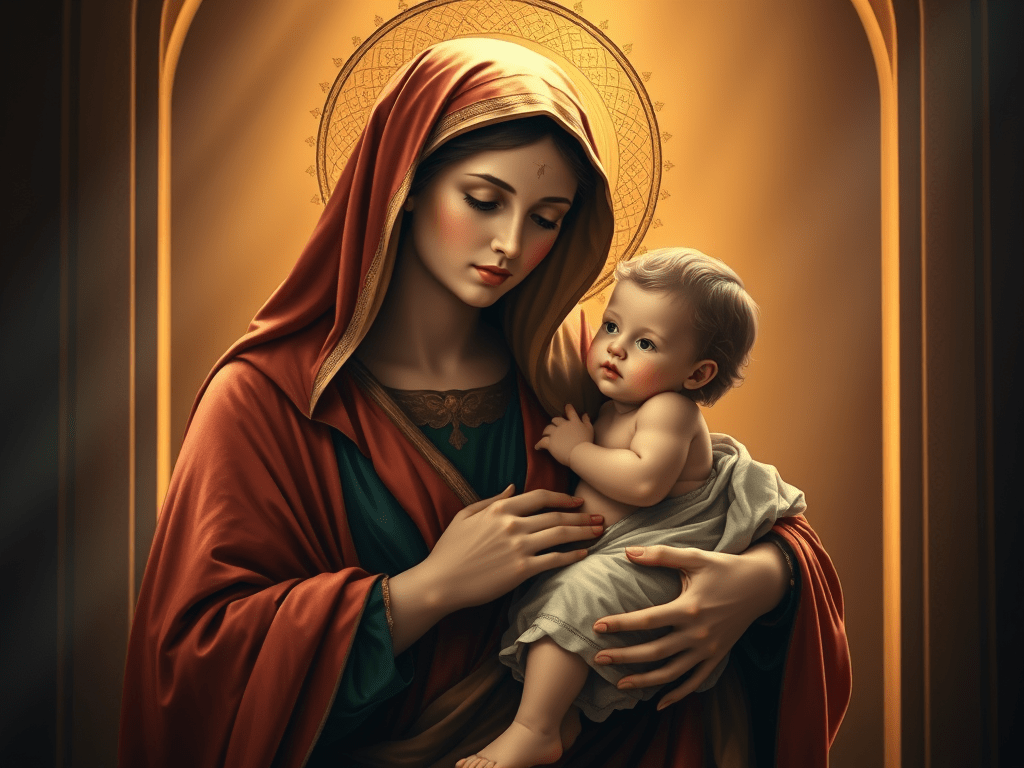
En aquellos días, los pastores fueron a toda prisa, y encontraron a María y a José, y al niño acostado en el pesebre. Al verlo, dieron a conocer lo que les habían dicho acerca de aquel niño; y todos los que lo oyeron se maravillaban de lo que los pastores les decían. María, por su parte, guardaba todas estas cosas, y las meditaba en su corazón.
Los pastores se volvieron glorificando y alabando a Dios por todo lo que habían oído y visto, conforme a lo que se les había dicho.
VER
El relato de Lucas presenta a los pastores que, después de escuchar el anuncio del ángel, van presurosos a Belén y encuentran a María, a José y al Niño acostado en el pesebre. Ellos representan a los sencillos, a quienes Dios revela primero el misterio de la encarnación. Tras ver al Niño, dan testimonio de lo que se les había dicho, y todos los que los escuchan quedan admirados.
En medio de esta escena, Lucas destaca la actitud de María: ella conserva y medita todo en su corazón. María no habla mucho; escucha, guarda y reflexiona. Su maternidad no es solo biológica, sino profundamente espiritual. Finalmente, el texto concluye con la circuncisión del Niño y la imposición del nombre de Jesús, subrayando su plena inserción en la historia y en la Ley, y recordando que Él es el Salvador anunciado por Dios.
Preguntas de reflexión:
- ¿Qué papel tienen los pastores en este relato?
Reflexione sobre cómo Dios se manifiesta primero a los sencillos y disponibles. - ¿Por qué Lucas subraya la actitud interior de María?
Contemple a María como modelo de fe que acoge y discierne el misterio. - ¿Qué significado tiene que Jesús sea circuncidado y reciba su nombre?
Piense en la humanidad real de Cristo y en su misión salvadora. - ¿Qué imagen de María se nos presenta en este pasaje?
Observe su silencio, su fe y su disponibilidad total a Dios.
JUZGAR
Este Evangelio ilumina el inicio de un nuevo año. Vivimos en un mundo marcado por la prisa, el ruido y la superficialidad. Nos cuesta detenernos, escuchar y meditar. María, en cambio, nos enseña una actitud profundamente necesaria hoy: guardar los acontecimientos en el corazón y discernir la acción de Dios en la vida cotidiana.
La solemnidad de Santa María, Madre de Dios, nos recuerda que la fe cristiana no es abstracta: Dios ha entrado realmente en la historia humana. También la Iglesia está llamada a imitar a María, acogiendo a Cristo, anunciándolo con sencillez y meditando su presencia en medio de los acontecimientos del mundo. Comenzar el año bajo la protección de María es una invitación a caminar con fe, humildad y esperanza.
Preguntas de reflexión:
- ¿Qué lugar ocupa el silencio y la reflexión en nuestra vida actual?
Examine si deja espacio para escuchar a Dios en medio del ritmo diario. - ¿Cómo vivimos hoy la sencillez y la apertura de los pastores?
Reflexione sobre su disponibilidad para acoger la Palabra. - ¿Qué significa para nosotros proclamar que María es Madre de Dios?
Considere las implicaciones de esta fe para la vida cristiana. - ¿Cómo puede la Iglesia ser hoy como María: creyente y contemplativa?
Piense en el testimonio que estamos llamados a dar al mundo.
ACTUAR
Este pasaje nos invita a iniciar el año imitando a María: con un corazón abierto, contemplativo y confiado. Guardar los acontecimientos en el corazón no significa pasividad, sino discernimiento. Implica leer la vida a la luz de Dios, descubrir su presencia incluso en lo sencillo y asumir con fe lo que no comprendemos del todo.
En este tiempo de Navidad, y al comenzar un nuevo año, estamos llamados a renovar nuestra confianza en Dios y a poner nuestra vida bajo la intercesión de María. Como ella, podemos aprender a acoger a Cristo, a anunciarlo con sencillez y a caminar con esperanza.
Preguntas de reflexión:
- ¿Qué acontecimientos recientes necesito presentar a Dios y meditar en mi corazón?
Piense en alegrías, preocupaciones y decisiones importantes. - ¿Cómo puedo cultivar una actitud más contemplativa en mi vida diaria?
Identifique momentos concretos para el silencio y la oración. - ¿Qué actitudes de María quiero imitar al iniciar este nuevo año?
Elija una virtud mariana para vivirla conscientemente. - ¿Qué compromiso concreto asumo para caminar este año con fe y esperanza?
Proponga un propósito realista y espiritual.
Conclusión
En la Solemnidad de Santa María, Madre de Dios, comenzamos el año contemplando a la mujer que acogió a Dios en su vida y lo ofreció al mundo. María nos enseña a guardar, meditar y confiar. Que bajo su mirada maternal aprendamos a reconocer la presencia de Dios en nuestra historia y a caminar este nuevo año con un corazón creyente, disponible y lleno de esperanza.
Invitación a Propagar el Reino
Te invitamos a unirte a esta misión de propagar el Reino de Dios. Comparte este artículo con amigos, familiares y en tus redes sociales. Al hacerlo, no solo estás contribuyendo a la difusión de un mensaje de esperanza y fe, sino que también estás alentando a otros a reflexionar sobre su propia vida espiritual y a tomar acción en su camino hacia Dios.
Cada uno de nosotros tiene un papel que desempeñar en la construcción de un mundo mejor. Juntos, podemos ser agentes de cambio, llevando el amor y la verdad de Cristo a todos los rincones de nuestra sociedad. ¡Actuemos hoy y seamos luz en medio de la oscuridad!
Invitación a Compartir Experiencias
Nos encantaría conocer tus experiencias y reflexiones sobre cómo aplicas la regla del “tanto cuanto” en tu vida diaria. ¿Has encontrado formas creativas de actuar en tu fe? ¿Qué cambios has realizado en tu rutina que te han acercado más a Dios y a tu comunidad? Te invitamos a compartir tus historias y aprendizajes en los comentarios. Juntos, podemos inspirarnos mutuamente y construir una comunidad más fuerte en nuestra búsqueda de vivir plenamente en la fe. ¡Esperamos tus aportes!
@vocatios.blog
@anamriaguzman2234
 One-TimeMonthlyYearly
Make a one-time donation
Make a monthly donation
Make a yearly donation
Choose an amount
MX$5.00MX$15.00MX$100.00MX$5.00MX$15.00MX$100.00MX$5.00MX$15.00MX$100.00Or enter a custom amount
MX$
Your contribution is appreciated.
Your contribution is appreciated.
Your contribution is appreciated.
- ¿Qué papel tienen los pastores en este relato?
-
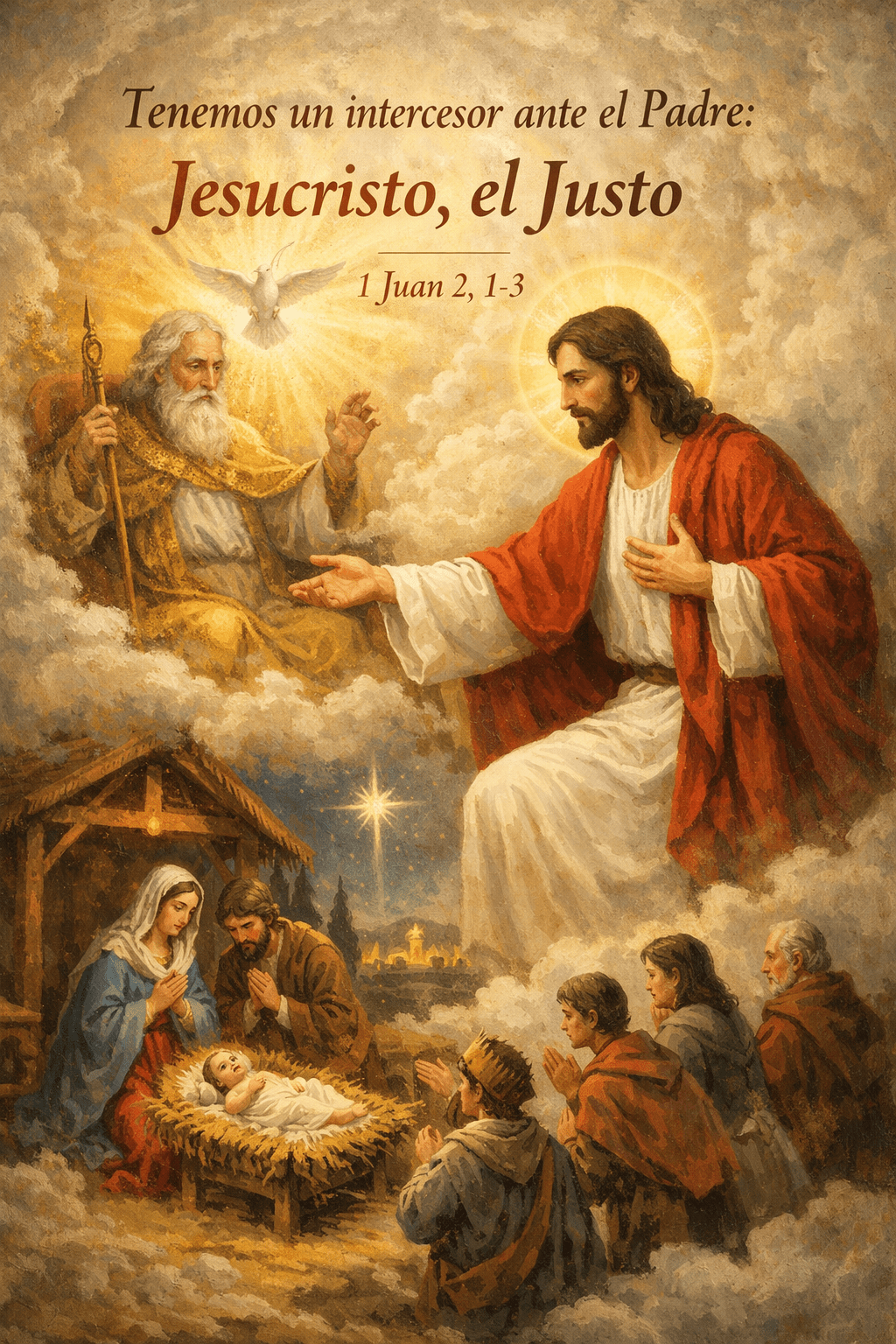
“Tenemos un intercesor ante el Padre: Jesucristo, el Justo”
Diciembre 31
Tenemos un intercesor ante el Padre: Jesucristo, el Justo”
1 Juan 2, 1- 3
Hijos míos, os escribo esto para que no pequéis. Pero si alguno peca, tenemos a uno que abogue ante el Padre: a Jesucristo, el Justo. El es víctima de propiciación por nuestros pecados, no sólo por los nuestros, sino también por los del mundo entero. En esto sabemos que le conocemos: en que guardamos sus mandamientos.
VER
San Juan se dirige a la comunidad con un tono profundamente pastoral: “Hijos míos”. No escribe para acusar, sino para orientar y cuidar la fe. Reconoce con realismo la fragilidad humana: el creyente puede pecar. Sin embargo, afirma con claridad que el pecado no es el destino del cristiano ni algo que deba asumirse con resignación. El llamado es a no pecar, pero sin caer en la desesperación cuando se falla.
El centro del mensaje es Jesucristo, presentado como nuestro intercesor ante el Padre y como víctima de expiación por nuestros pecados, no solo por los de la comunidad, sino por los de todo el mundo. Esta afirmación subraya la universalidad de la salvación. Finalmente, san Juan establece un criterio concreto para conocer a Dios: guardar sus mandamientos. El conocimiento de Dios no es solo intelectual o emocional; se verifica en la obediencia y en una vida transformada.
Preguntas de reflexión
- ¿Qué intención pastoral se percibe en las palabras “hijos míos”?
Observe el tono cercano y protector con el que san Juan se dirige a la comunidad. - ¿Cómo presenta el texto la realidad del pecado en la vida del creyente?
Reflexione sobre el equilibrio entre exigencia moral y misericordia. - ¿Qué significa que Jesucristo sea nuestro intercesor ante el Padre?
Contemple a Cristo como mediador permanente que nos defiende y acompaña. - ¿Qué relación establece el autor entre conocer a Dios y cumplir sus mandamientos?
Analice cómo el conocimiento de Dios se manifiesta en la vida concreta.
JUZGAR
Este texto ilumina profundamente nuestra realidad actual. Por un lado, existe la tendencia a minimizar el pecado; por otro, el riesgo de vivir la fe con culpa excesiva o desesperanza. San Juan ofrece un camino equilibrado: reconocer el pecado sin justificarlo, pero confiando plenamente en la intercesión de Cristo.
En nuestra sociedad se habla mucho de libertad, pero se rechaza con frecuencia toda norma. En este contexto, los mandamientos son vistos como imposiciones y no como caminos de vida. También en la Iglesia podemos reducir la fe a sentimientos, prácticas externas o conocimientos, olvidando que conocer a Dios implica vivir según su voluntad. En Navidad proclamamos que Dios se hizo cercano; este texto nos recuerda que esa cercanía nos llama a una vida coherente.
Preguntas de reflexión
- ¿Qué actitudes actuales reflejan una falsa comprensión del pecado o de la gracia?
Identifique extremos como la indiferencia moral o el desánimo espiritual. - ¿Cómo entendemos hoy la figura de Cristo como intercesor y salvador universal?
Reflexione si esta verdad es realmente fuente de confianza y esperanza. - ¿Qué lugar ocupan los mandamientos en la vida de los creyentes hoy?
Piense si son vistos como carga o como guía para vivir en libertad. - ¿Cómo se refleja la coherencia entre fe y vida en nuestras comunidades cristianas?
Observe testimonios positivos y también carencias.
ACTUAR
La Palabra nos invita a vivir una fe madura y confiada. No se trata de vivir con miedo al error, sino con la certeza de que Cristo camina con nosotros y nos sostiene. En este tiempo de Navidad, estamos llamados a renovar nuestra confianza en Jesús, que intercede por nosotros y nos ofrece siempre un camino de reconciliación.
Guardar los mandamientos no es solo cumplir normas, sino vivir el amor concreto a Dios y al prójimo. Esto se traduce en decisiones cotidianas: honestidad, respeto, justicia, misericordia. Dejar que Cristo nazca en nuestra vida implica permitirle orientar nuestras acciones.
Preguntas de reflexión
- ¿Qué aspecto de mi vida necesita mayor coherencia con el Evangelio?
Revise sus actitudes, decisiones y relaciones. - ¿Cómo vivo la confianza en Cristo cuando experimento mi fragilidad?
Piense si acude a Él con esperanza o se queda en la culpa. - ¿Qué mandamiento me invita hoy a vivir con mayor profundidad?
Identifique uno concreto y reflexione cómo aplicarlo. - ¿Qué compromiso práctico puedo asumir para vivir mi fe con mayor autenticidad?
Proponga una acción sencilla y realizable. - Conclusión
- La Navidad nos recuerda que Dios no se queda distante ante nuestra fragilidad, sino que se hace cercano en Jesucristo. San Juan nos anima a vivir sin miedo, confiando en Cristo, nuestro intercesor, y caminando en la obediencia amorosa. Que este tiempo navideño renueve nuestra esperanza y nos ayude a conocer a Dios no solo con palabras, sino con una vida que refleje su amor.
- Invitación a Propagar el Reino
- Te invitamos a unirte a esta misión de propagar el Reino de Dios. Comparte este artículo con amigos, familiares y en tus redes sociales. Al hacerlo, no solo estás contribuyendo a la difusión de un mensaje de esperanza y fe, sino que también estás alentando a otros a reflexionar sobre su propia vida espiritual y a tomar acción en su camino hacia Dios.
- Cada uno de nosotros tiene un papel que desempeñar en la construcción de un mundo mejor. Juntos, podemos ser agentes de cambio, llevando el amor y la verdad de Cristo a todos los rincones de nuestra sociedad. ¡Actuemos hoy y seamos luz en medio de la oscuridad!
- Invitación a Compartir Experiencias
- Nos encantaría conocer tus experiencias y reflexiones sobre cómo aplicas la regla del “tanto cuanto” en tu vida diaria. ¿Has encontrado formas creativas de actuar en tu fe? ¿Qué cambios has realizado en tu rutina que te han acercado más a Dios y a tu comunidad? Te invitamos a compartir tus historias y aprendizajes en los comentarios. Juntos, podemos inspirarnos mutuamente y construir una comunidad más fuerte en nuestra búsqueda de vivir plenamente en la fe. ¡Esperamos tus aportes!
@vocatios.blog
@anamriaguzman2234
 One-TimeMonthlyYearly
Make a one-time donation
Make a monthly donation
Make a yearly donation
Choose an amount
MX$5.00MX$15.00MX$100.00MX$5.00MX$15.00MX$100.00MX$5.00MX$15.00MX$100.00Or enter a custom amount
MX$
Your contribution is appreciated.
Your contribution is appreciated.
Your contribution is appreciated.
- ¿Qué intención pastoral se percibe en las palabras “hijos míos”?
-
Santos Inocentes Mártires

Himno del Oficio de Lectura del Día 28 de Diciembre
Tanto al tirano le place,
hacer de su orgullo ley,
que por deshacer un Rey
un millar de reyes hace.
Por matar un enemigo
siembra de sangre Belén,
y en Belén, casa del trigo,
no muere un Rey, nacen cien.
Y así su cólera loca
no puede implantar su ley,
pues quiere matar a un Rey,
y corona a cuantos toca.
VER:
El himno que se canta en la fiesta de los Santos Inocentes nos presenta una profunda reflexión sobre la tiranía y la violencia que se desata ante el nacimiento de un nuevo Rey. La imagen de Herodes, que busca eliminar a Jesús, es un recordatorio de cómo el miedo y el orgullo pueden llevar a actos atroces. La frase “por deshacer un Rey, un millar de reyes hace” resuena con la realidad de que, al intentar eliminar la Esperanza y la vida, se generan más vidas y más reyes que, en su inocencia, se convierten en mártires.
La referencia a Belén como “casa del trigo” es significativa. En este lugar, donde nace el Pan de Vida, también se derrama sangre inocente. Sin embargo, el mensaje del himno es claro: la cólera de Herodes no puede detener el plan de Dios. Al intentar matar a un Rey, en realidad, da vida a muchos más. La muerte de los inocentes no es en vano; su sacrificio se convierte en un testimonio de la fe y la esperanza que el nacimiento de Jesús trae al mundo.
JUZGAR:
Al meditar sobre este himno y la historia de los Santos Inocentes, me pregunto: ¿cómo respondo ante la injusticia y la violencia en el mundo actual? La historia de estos mártires me invita a reflexionar sobre mi propia vida y sobre cómo puedo ser un defensor de la vida y la dignidad humana.
Además, me pregunto: ¿estoy dispuesto a ser un “rey” en mi entorno, es decir, a vivir con valentía y a ser un testigo de la verdad y la justicia, incluso cuando eso implique sacrificios? La Navidad, que celebra el nacimiento de Jesús, también nos llama a recordar a aquellos que sufren y a actuar en favor de los más vulnerables.
ACTUAR:
1. Oración: Dedicar un tiempo a orar por todos los inocentes que sufren en el mundo hoy. Pedir a Dios que me dé la valentía para ser un defensor de la vida y la justicia.
2. Conciencia social: Informarme sobre las realidades de violencia y sufrimiento que enfrentan los niños y los inocentes en mi comunidad y en el mundo. Reflexionar sobre cómo puedo contribuir a cambiar estas realidades.
3. Actos de compasión: Identificar una acción concreta que pueda realizar para ayudar a los más vulnerables, ya sea a través de donaciones, voluntariado o simplemente ofreciendo apoyo emocional a quienes lo necesiten.
Invitación a Propagar el Reino
Te invitamos a unirte a esta misión de propagar el Reino de Dios. Comparte este artículo con amigos, familiares y en tus redes sociales. Al hacerlo, no solo estás contribuyendo a la difusión de un mensaje de esperanza y fe, sino que también estás alentando a otros a reflexionar sobre su propia vida espiritual y a tomar acción en su camino hacia Dios.
Cada uno de nosotros tiene un papel que desempeñar en la construcción de un mundo mejor. Juntos, podemos ser agentes de cambio, llevando el amor y la verdad de Cristo a todos los rincones de nuestra sociedad. ¡Actuemos hoy y seamos luz en medio de la oscuridad!
Invitación a Compartir Experiencias
Nos encantaría conocer tus experiencias y reflexiones sobre cómo aplicas la regla del “tanto cuanto” en tu vida diaria. ¿Has encontrado formas creativas de actuar en tu fe? ¿Qué cambios has realizado en tu rutina que te han acercado más a Dios y a tu comunidad? Te invitamos a compartir tus historias y aprendizajes en los comentarios. Juntos, podemos inspirarnos mutuamente y construir una comunidad más fuerte en nuestra búsqueda de vivir plenamente en la fe. ¡Esperamos tus aportes!
@vocatios.blog
@anamriaguzman2234
 One-TimeMonthlyYearly
Make a one-time donation
Make a monthly donation
Make a yearly donation
Choose an amount
MX$5.00MX$15.00MX$100.00MX$5.00MX$15.00MX$100.00MX$5.00MX$15.00MX$100.00Or enter a custom amount
MX$
Your contribution is appreciated.
Your contribution is appreciated.
Your contribution is appreciated.
-
Unlocking the Power of Spiritual Reflections during Advent

Second Sunday of Advent Cycle A: Matthew 3:1-6
At that time, John the Baptist began to preach in the desert of Judea, saying, “Repent, for the kingdom of heaven is near.” John is the one of whom the prophet Isaiah spoke when he said: A voice cries out in the desert: Prepare the way of the Lord, make straight his paths. John wore a garment made of camel’s hair, with a leather belt around his waist, and his food was locusts and wild honey. People from Jerusalem and all Judea and the whole region around the Jordan went out to him, confessing their sins, and he baptized them in the river.
SEE
In Matthew 3:1-6, we find John the Baptist, a precursor to Jesus, appearing in the desert preaching a message of repentance. His call to conversion is clear and urgent: “Repent, for the kingdom of heaven has come near!” John not only invites people to recognize their sins but also offers them a path to redemption through baptism. The image of the crowds coming to him, confessing their sins and being baptized in the Jordan River, shows a deep yearning for transformation and spiritual renewal. In this Advent season, this call to conversion resonates strongly, reminding us that preparing for the coming of Christ involves a sincere examination of our lives.
JUDGE
This passage invites us to consider our own lives and our willingness to listen to God’s call. Are we open to the transformation He desires to achieve in us? In a world that often distracts itself with the superficial, John challenges us to look inward and confront our own weaknesses and sins. What areas of our lives need repentance and change? We have neglected our relationship with God, allowed the noise of the world to drown out our inner voice, or set aside compassion for others. The urgency of John’s message reminds us that the time for preparation is now. Are we willing to let go of what distances us from God and open our hearts to His grace?
ACT
To apply the message of this passage in our daily lives during this second week of Advent, we can:
1. Practice repentance: Spend time in prayer and personal reflection. Make a list of the areas where you feel you need to change or improve. Bring these concerns before God, asking for His forgiveness and help to transform you.
2. Seek confession: If possible, consider participating in the sacrament of reconciliation. Confession is not only an act of humility but also an opportunity to experience God’s mercy in a tangible way.
3. Commit to action: Find a concrete way you can live out your faith this week. This includes helping someone in need, offering your time to a charitable cause, or simply being more mindful of the words you use and how they affect others.
4. Create a space for reflection:** Set aside a daily moment to meditate on the word of God. You can read passages from the Bible that speak about repentance and conversion or simply sit in silence and listen to what God has to say to you.
@vocatios.blog
@anamriaguzman2234
 One-TimeMonthlyYearly
Make a one-time donation
Make a monthly donation
Make a yearly donation
Choose an amount
MX$5.00MX$15.00MX$100.00MX$5.00MX$15.00MX$100.00MX$5.00MX$15.00MX$100.00Or enter a custom amount
MX$
Your contribution is appreciated.
Your contribution is appreciated.
Your contribution is appreciated.
-
Reflexiones Espirituales Durante el Adviento: Conéctate con tu Interior

Segundo Domingo de Adviento Ciclo A: Mateo 3, 1 – 6
En aquel tiempo, comenzó Juan el Bautista a predicar en el desierto de Judea diciendo: “Arrepiéntanse porque el Reino de los cielos está cerca”. Juan es aquel de quien el profeta Isaías hablaba cuando dijo: Una voz clama en el desierto: Preparen el camino del Señor, enderecen sus sendero.
Juan usaba una túnica de pelo de camello, ceñida con un cinturón de cuero, y se alimentaba de salta saltamontes y de miel silvestre. Acudían a oírlo los habitantes de Jerusalén, de toda Judea y de toda la región cercana al Jordán, confesaban sus pecados y él los bautizaba en el río..
VER
En Mateo 3, 1-6, encontramos a Juan el Bautista, un precursor de Jesús, que aparece en el desierto predicando un mensaje de arrepentimiento. Su llamado a la conversión es claro y urgente: “¡Arrepiéntanse, porque el reino de los cielos se ha acercado!” Juan no solo invita a la gente a reconocer sus pecados, sino que también les ofrece un camino hacia la redención a través del bautismo. La imagen de las multitudes que vienen a él, confesando sus pecados y siendo bautizadas en el río Jordán, nos muestra un profundo anhelo de transformación y renovación espiritual. En este tiempo de Adviento, esta llamada a la conversión resuena con fuerza, recordándonos que la preparación para la llegada de Cristo implica un examen sincero de nuestras vidas.
JUZGAR
Este pasaje nos invita a reflexionar sobre nuestra propia vida y nuestra disposición a escuchar el llamado de Dios. ¿Estamos abiertos a la transformación que Él desea realizar en nosotros? En un mundo que a menudo se distrae con lo superficial, Juan nos desafía a mirar hacia adentro y a confrontar nuestras propias debilidades y pecados. ¿Qué áreas de nuestra vida necesitan arrepentimiento y cambio? Tal vez hemos descuidado nuestra relación con Dios, hemos permitido que el ruido del mundo ahogue nuestra voz interior o hemos dejado de lado la compasión hacia los demás. La urgencia del mensaje de Juan nos recuerda que el tiempo de preparación es ahora. ¿Estamos dispuestos a dejar atrás lo que nos aleja de Dios y a abrir nuestros corazones a Su gracia?
ACTUAR
Para aplicar el mensaje de este pasaje en nuestra vida diaria durante esta segunda semana de Adviento, podemos:
1. Practicar el arrepentimiento: Dedica tiempo a la oración y la reflexión personal. Haz una lista de las áreas en las que sientes que necesitas cambiar o mejorar. Lleva estas preocupaciones ante Dios, pidiendo Su perdón y Su ayuda para transformarte.
2. Buscar la confesión: Si es posible, considera participar en el sacramento de la reconciliación. La confesión no solo es un acto de humildad, sino también una oportunidad para experimentar la misericordia de Dios de manera tangible.
3. Comprometerse a la acción: Identifica una forma concreta en la que puedas vivir tu fe esta semana. Esto puede incluir ayudar a alguien en necesidad, ofrecer tu tiempo a una causa benéfica o simplemente ser más consciente de las palabras que usas y cómo afectan a los demás.
4. Crear un espacio para la reflexión: Establece un momento diario para meditar en la palabra de Dios. Puedes leer pasajes de la Biblia que hablen sobre el arrepentimiento y la conversión, o simplemente sentarte en silencio y escuchar lo que Dios tiene que decirte
@vocatios.blog
@anamriaguzman2234
 One-TimeMonthlyYearly
Make a one-time donation
Make a monthly donation
Make a yearly donation
Choose an amount
MX$5.00MX$15.00MX$100.00MX$5.00MX$15.00MX$100.00MX$5.00MX$15.00MX$100.00Or enter a custom amount
MX$
Your contribution is appreciated.
Your contribution is appreciated.
Your contribution is appreciated.
-
Subscribe for Spiritually Reflective Insights
First Tuesday of Advent – A: Isaiah 2: 1-5
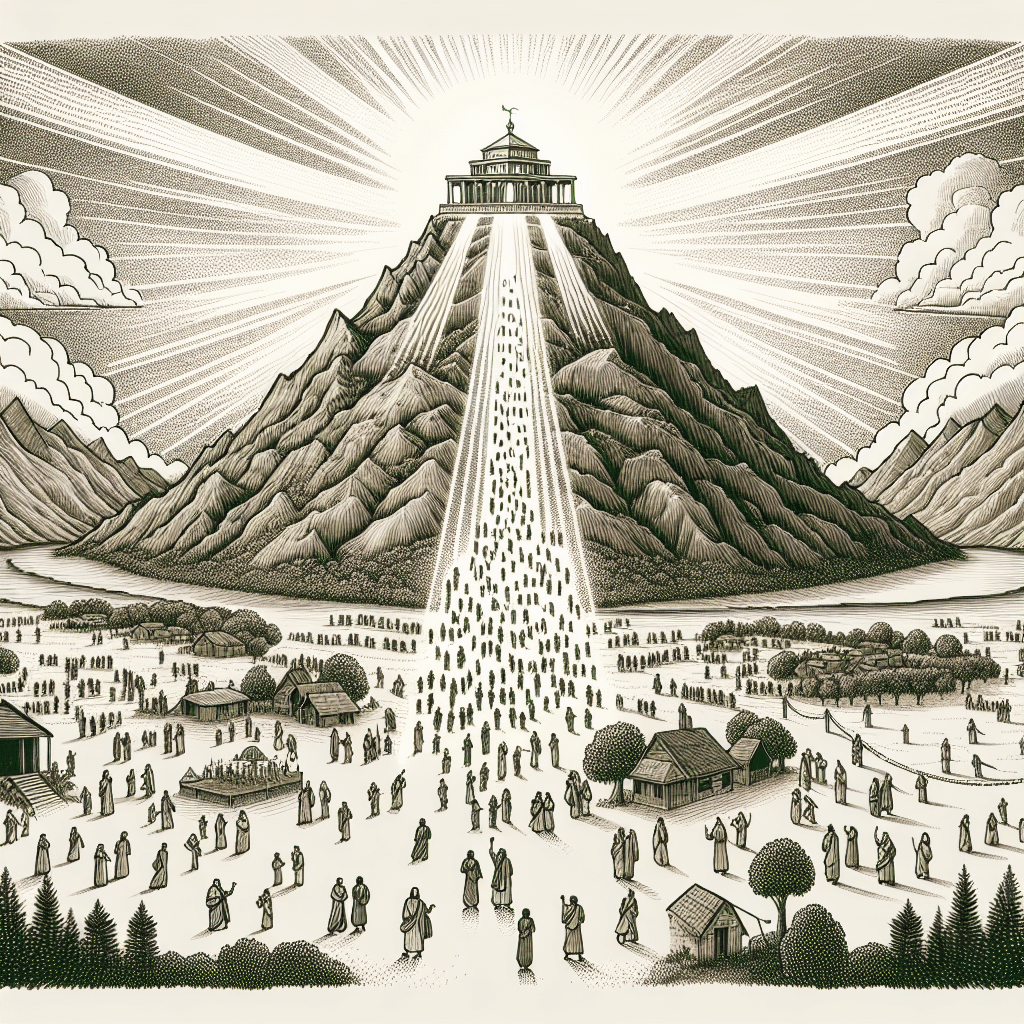
The Vision of Isaiah, son of Amos, about Judah and Jerusalem: In the days to come, the mountain of the house of the Lord will be established as the highest of the mountains, and it will be raised above the hills; all nations will stream to it.
Many people will come and say: “Come, let us go up to the mountain of the Lord, to the house of the God of Jacob, that he teach us his ways and that we walk in his paths. For out of Zion shall go forth the law, and the word of the Lord from Jerusalem.” He shall judge between the nations and shall arbitrate for many people; they shall beat their swords into plowshares, and their spears into pruning hooks; nation shall not lift up sword against nation, neither shall they learn war anymore.
O house of Jacob, come, let us walk in the light of the Lord!
SEE
In Isaiah 2:1-5, the prophet presents a vision of hope and peace. A future is described in which the mountain of the house of the Lord will be exalted, and all nations will come to it. This passage speaks of a time when peace and justice will be taught, where swords will be turned into plowshares and spears into sickles. The invitation is clear: “Come, let us go up to the mountain of the Lord.” This call for unity and the pursuit of peace resonates deeply in our hearts, especially in a world that often feels divided and filled with conflict.
JUDGE
This passage invites us to think about our own lives and our relationship with God and with others. In this Advent season, as we prepare for the arrival of Christ, we must ask ourselves: How are we responding to this call to peace and justice? Are we willing to set aside our personal divisions and conflicts to seek unity in Christ? Isaiah’s vision challenges us to consider whether our actions and attitudes show God’s wish for all of us to live in harmony. What internal or external obstacles prevent us from being instruments of peace in our communities?
ACT
To apply this message in our daily lives during this first week of Advent, we can:
1. Seek peace in our relationships: Find a relationship in your life that needs reconciliation. Take a moment to pray for that person and consider taking a step toward restoring that relationship, whether through a sincere conversation or a gesture of kindness.
2. Promote justice: Get involved in a cause that seeks social justice in your community. This can be through volunteering, donating, or simply educating yourself about the needs of others.
3. Cultivate a spirit of unity: In your environment, whether at home, work, or church, look for ways to foster unity. This includes organizing activities that bring together people from different backgrounds or promoting open and respectful dialogue on difficult topics.
4. Dedicate time to prayer and reflection:*Set aside daily time this week to meditate on the word of God and ask Him to show you how you can be an agent of peace and hope in the world.
By living this way, we not only prepare for the arrival of Christ but also become bearers of His light and peace in a world that so desperately needs it. This first week of Advent be a time of reflection, action, and transformation in our lives.
@vocatios.blog
@anamriaguzman2234
 One-TimeMonthlyYearly
Make a one-time donation
Make a monthly donation
Make a yearly donation
Choose an amount
MX$5.00MX$15.00MX$100.00MX$5.00MX$15.00MX$100.00MX$5.00MX$15.00MX$100.00Or enter a custom amount
MX$
Your contribution is appreciated.
Your contribution is appreciated.
Your contribution is appreciated.
-
Cómo las Reflexiones Espirituales Transforman Tu Vida
Martes de la Primera Semana de Adviento – A: Isaías, 2, 1-5
Visión de Isaías, hijo de Amón, acerca de Judá y Jerusalén: En días futuros, el monte de la casa del Señor será elevado en la cima de los montes, encumbrado sobre las montañas, y hacia él confluirán todas las naciones.
Acudirán pueblos numerosos, que dirán: “Vengan, subamos al monte del Señor, a la casa del Dios de Jacob, para que él nos instruya en sus caminos y podamos marchar por sus sendas. Porque de Sión saldrá la ley, de Jerusalén la palabra del Señor”. El será el árbitro de las naciones, y el juez de pueblos numerosos. De las espadas forjarán arados, y de las lanzas podaderas, ya no alzará la espada pueblo contra pueblo, ya no se adiestrarán para la guerra.
¡Casa de Jacob en marcha! Caminemos a la luz del Señor.
VER
En Isaías 2, 1-5, el profeta presenta una visión de esperanza y paz. Se describe un futuro en el que la montaña de la casa del Señor será exaltada y todas las naciones acudirán a ella. Este pasaje nos habla de un tiempo en el que se enseñará la paz y la justicia, donde las espadas se convertirán en arados y las lanzas en hoces. La invitación es clara: “Vengan, subamos a la montaña del Señor”. Este llamado a la unidad y a la búsqueda de la paz resuena profundamente en nuestros corazones, especialmente en un mundo que a menudo se siente dividido y lleno de conflictos.
JUZGAR
Este pasaje nos invita a reflexionar sobre nuestra propia vida y nuestra relación con Dios y con los demás. En un tiempo de Adviento, donde nos preparamos para la llegada de Cristo, debemos preguntarnos: ¿Cómo estamos respondiendo a este llamado a la paz y a la justicia? ¿Estamos dispuestos a dejar atrás nuestras divisiones y conflictos personales para buscar la unidad en Cristo? La visión de Isaías nos desafía a considerar si nuestras acciones y actitudes reflejan el deseo de Dios de que todos vivamos en armonía. ¿Qué obstáculos internos o externos nos impiden ser instrumentos de paz en nuestras comunidades?
ACTUAR
Para aplicar este mensaje en nuestra vida diaria durante esta primera semana de Adviento, podemos:
1. Buscar la paz en nuestras relaciones: Identifica una relación en tu vida que necesite reconciliación. Tómate un momento para orar por esa persona y considera dar un paso hacia la restauración de esa relación, ya sea a través de una conversación sincera o un gesto de amabilidad.
2. Promover la justicia: Involúcrate en una causa que busque la justicia social en tu comunidad. Esto puede ser a través de voluntariado, donaciones o simplemente educándote sobre las necesidades de los demás.
3. Cultivar un espíritu de unidad: En tu entorno, ya sea en el hogar, el trabajo o la iglesia, busca maneras de fomentar la unidad. Esto puede incluir la organización de actividades que reúnan a personas de diferentes trasfondos o la promoción de un diálogo abierto y respetuoso sobre temas difíciles.
4. Dedicar tiempo a la oración y la reflexión: Establece un tiempo diario durante esta semana para meditar en la palabra de Dios y pedirle que te muestre cómo puedes ser un agente de paz y esperanza en el mundo.
Al vivir de esta manera, no solo nos preparamos para la llegada de Cristo, sino que también nos convertimos en portadores de Su luz y Su paz en un mundo que tanto lo necesita. Que esta primera semana de Adviento sea un tiempo de reflexión, acción y transformación en nuestras vidas
@vocatios.blog
@anamriaguzman2234
 One-TimeMonthlyYearly
Make a one-time donation
Make a monthly donation
Make a yearly donation
Choose an amount
MX$5.00MX$15.00MX$100.00MX$5.00MX$15.00MX$100.00MX$5.00MX$15.00MX$100.00Or enter a custom amount
MX$
Your contribution is appreciated.
Your contribution is appreciated.
Your contribution is appreciated.

Reflexiones Espirituales
¡Bienvenidos a mis blog de Experiencias Espirituales!
EXPLORING SPIRITUALITY: Reflections, Meditations and Practica Tips
En este espacio, compartiré mis vivencias, reflexiones y aprendizajes en el camino de la espiritualidad. A través de relatos personales, meditaciones guiadas, y consejos prácticos, espero inspirar a otros a explorar su propia conexión con lo divino y a encontrar paz y propósito en su vida diaria. La espiritualidad es un viaje único y personal, y mi objetivo es crear una comunidad donde todos podamos aprender y crecer juntos. Ya seas nuevo en este camino o tenga años de experiencia, encontrarás aquí un lugar de apoyo y descubrimiento. Mi camino ha sido largo pero de gran aprendizaje tanto en México como en Estados Unidos. Dos culturas que me han enriquecido espiritualmente y me han dado luz en mi caminar.
Gracias por acompañarme en esta aventura. Espero que mis historias y reflexiones te ayuden a profundizar tu propia práctica espiritual y a vivir una vida más plena y consciente.
Welcome to my blog about Spiritual Experiences!
In this space, I will share my experiences, reflections, and learnings on the path of spirituality. Through personal stories, guided, meditations, and practical advice, I hope to inspire others to explore their own connection with the divine and find peace and purpose in their daily lives.
Spirituality is a unique and personal journey, and my goal is to create a community where we can all learn and grow together. Whether you are new to this path or have years of experience, you will find here a place of support and discovery. My journey has been long but full of great learning, both in Mexico and the United States. Two cultures that have enriched me spiritually and have given me light in my path.
Thank you for joining me on this adventure. I hope my stories and reflections help you deepen your own spiritual practice and live a fuller, more conscious life.
Ana María
 Reflexiones Espirituales