-
First Monday of Advent Cicle A: Isaiah 4:2-6 The Vision of Peace of Isaiah and Its Current Relevance

The vision of Isaiah, son of Amos, about Judah and Jerusalem: In the days to come, the mountain of the house of the Lord will be established as the highest of the mountains, and it will be raised above the hills; all nations will stream to it.
Many peoples will come and say: “Come, let us go up to the mountain of the Lord, to the house of the God of Jacob, that he teach us his ways and that we walk in his paths. For out of Zion shall go forth the law, and the word of the Lord from Jerusalem.”
He shall judge between the nations and shall arbitrate for many people; they shall beat their swords into plowshares, and their spears into pruning hooks; nation shall not lift up sword against nation, neither shall they learn war anymore. O house of Jacob, come, let us walk in the light of the Lord.
Reflection
In Isaiah 4:2-6, the prophet presents a vision of hope and restoration for the people of Israel after a period of judgment and desolation. The “Branch of the Lord” is mentioned as a figure of salvation and beauty, symbolizing the restoration of God’s glory among His people. This branch will be a sign of justice and splendor, and those who stay in Zion will be considered holy. The passage also describes the divine protection that will be offered to Jerusalem, where a cloud of glory will be established by day and a shining fire by night, symbolizing God’s presence and guidance. Together, Isaiah 4:2-6 communicates a message of hope, indicating that despite difficulties, God will restore His people and give them security and protection in His presence.
JUDGE
1. What significance does the vision of peace and unity hold in a world often marked by war and division? – The vision of peace and unity in Isaiah reminds us that despite current divisions and conflicts, there is always a path toward reconciliation and harmony. This hope drives us to work for peace in our communities, believing that unity is possible through love and justice.
2. How does Isaiah’s message relate to the current realities of conflict and violence in the world? – Isaiah’s message is relevant today as it invites us to recognize that while conflict and violence are part of our reality, the hope for a future of peace and restoration remains alive. It encourages us to be agents of change, seeking peaceful solutions and promoting justice amid adversity.
ACT
1. What concrete steps can I take to promote peace and reconciliation in my community? – Start conversations about peace and reconciliation in your community. Organize forums or discussion groups where people can share their experiences and seek joint solutions to conflicts.
2. How can I be an agent of change that fosters unity and understanding among different groups? – Join in interfaith or intercultural activities that promote understanding and collaboration. Share stories of hope and success in building bridges between different communities.
3.*What actions can I take to transform violence or discord in my environment into opportunities for dialogue and cooperation? – Recognize local conflicts and start dialogue sessions that encourage open communication. Collaborate with community leaders to create programs that tackle the root causes of violence and promote cooperative efforts for peace.
@vocatios.blog
@anamriaguzman2234
One-TimeMonthlyYearlyMake a one-time donation
Make a monthly donation
Make a yearly donation
Choose an amount
MX$5.00MX$15.00MX$100.00MX$5.00MX$15.00MX$100.00MX$5.00MX$15.00MX$100.00Or enter a custom amount
MX$
Your contribution is appreciated.
Your contribution is appreciated.
Your contribution is appreciated.
-
La Visión de Paz de Isaías y Su Relevancia Actual

Segundo Domingo de Adviento Ciclo A – Isaías 4, 2-6
Visión de Isaías, hijo de Amós, acerca de Judá y Jerusalén: En días futuros, el monte de la casa del Señor será elevado en la cima de los montes, encumbrado sobre montañas, y hacia él confluirán todas las naciones.
Acudirán pueblos numerosos, que dirán: “Vengan, subamos al monte del Señor, a la casa del Dios de Jacob, para que él nos instruya en sus caminos y podamos marchar por sus sendas. Porque de Sion saldrá la ley, de Jerusalén, la palabra del Señor”.
Él será el árbitro de las naciones y el juez de pueblos numerosos. De las espadas forjarán arados y de las lanzas podaderas; ya no alzará la espada pueblo contra pueblo, ya no se adiestrarán para la guerra.
¡Casa de Jacob, en marcha! Caminemos a la luz del Señor.
Ver
En Isaías 4, 2-6, el profeta presenta una visión de esperanza y restauración para el pueblo de Israel tras un período de juicio y desolación. El “Renuevo del Señor” se menciona como una figura de salvación y belleza, simbolizando la restauración de la gloria de Dios en medio de su pueblo. Este renuevo será un signo de justicia y esplendor, y aquellos que queden en Sion serán considerados santos. El pasaje también describe la protección divina que se ofrecerá a Jerusalén, donde se establecerá una nube de gloria durante el día y un fuego resplandeciente durante la noche, simbolizando la presencia y guía de Dios. En conjunto, Isaías 4, 2-6 comunica un mensaje de esperanza, indicando que, a pesar de las dificultades, Dios restaurará a su pueblo y les brindará seguridad y protección en su presencia.
JUZGAR
1. ¿Qué significado tiene la visión de paz y unidad en un mundo que a menudo está marcado por la guerra y la división?**
– La visión de paz y unidad en Isaías nos recuerda que, a pesar de las divisiones y conflictos actuales, siempre hay un camino hacia la reconciliación y la armonía. Esta esperanza nos impulsa a trabajar por la paz en nuestras comunidades, creyendo que la unidad es posible a través del amor y la justicia.
2. ¿Cómo se relaciona el mensaje de Isaías con las realidades actuales de conflicto y violencia en el mundo?
– El mensaje de Isaías es relevante hoy, ya que nos invita a reconocer que, aunque el conflicto y la violencia son parte de nuestra realidad, la esperanza de un futuro de paz y restauración sigue viva. Nos anima a ser agentes de cambio, buscando soluciones pacíficas y promoviendo la justicia en medio de la adversidad.
ACTUAR
1. ¿Qué pasos concretos puedo tomar para promover la paz y la reconciliación en mi comunidad?
– Inicia conversaciones sobre la paz y la reconciliación en tu comunidad. Organiza foros o grupos de discusión donde las personas puedan compartir sus experiencias y buscar soluciones conjuntas a los conflictos.
2. ¿Cómo puedo ser un agente de cambio que fomente la unidad y el entendimiento entre diferentes grupos?
– Participa en actividades interreligiosas o interculturales que promuevan el entendimiento y la colaboración. Comparte historias de esperanza y éxito en la construcción de puentes entre diferentes comunidades.
3. ¿Qué acciones puedo emprender para transformar la violencia o la discordia en mi entorno en oportunidades de diálogo y cooperación?
– Identifica situaciones de conflicto en tu entorno y busca mediarlas de manera constructiva. Ofrece tu tiempo y habilidades para facilitar diálogos que busquen la reconciliación y la cooperación.
@vocatios.blog
@anamriaguzman2234
One-TimeMonthlyYearlyMake a one-time donation
Make a monthly donation
Make a yearly donation
Choose an amount
MX$5.00MX$15.00MX$100.00MX$5.00MX$15.00MX$100.00MX$5.00MX$15.00MX$100.00Or enter a custom amount
MX$
Your contribution is appreciated.
Your contribution is appreciated.
Your contribution is appreciated.
-
La Vigilancia en la Fe: Reflexiones de Adviento

Primer Domingo de Adviento: Mateo 24, 37 – 44
En aquel tiempo, Jesús dijo a sus discípulos: “Así como sucedió en tiempos de Noé, así también sucederá cuando venga el Hijo del hombre. Antes del diluvio, la gente comía, bebía y se casaba, hasta el día en que Noé entró en el agua. Y cuando menos lo esperaban, sobrevino el diluvio y se llevó a todos. Lo mismo sucederá cuando venga el hijo del hombre. Entonces, de dos hombres que estén en el campo, uno será llevado y el otro será dejado, de dos mujeres que estén juntas moliendo trigo, una será llevada y la ora dejada.
Velen, pues, y estén preparados, porque no saben que día va a venir su Señor. Tengan por cierto que si un padre de familia supiera a que hora va a venir el ladrón, estaría vigilando y no dejaría que se le metiera por un boquete en su casa. También ustedes estén preparados porque a la hora que menos lo piensan, vendrá el hijo del hombre”.
VER
En Mateo 24, 37-44, Jesús compara su regreso con los días de Noé, destacando la indiferencia de la humanidad ante las advertencias y la urgencia de estar alerta. Su venida será inesperada, como un ladrón en la noche, lo que subraya la importancia de la vigilancia y la preparación constante. El pasaje presenta una dualidad en la situación de las personas: algunos serán llevados y otros quedarán, lo que implica un juicio final. La exhortación para estar preparados es central, instando a los seguidores a vivir conscientemente y con responsabilidad, actuando con sabiduría en su vida diaria. En conjunto, el mensaje enfatiza la necesidad de estar listos para la venida de Cristo, reconociendo la urgencia de vivir con propósito y fe.
JUZGAR
1. ¿Cómo se puede entender la idea de estar preparados en el contexto de la vida moderna y sus distracciones?
– La preparación no solo implica estar alerta, sino también cultivar una esperanza activa en la promesa de la venida de Cristo. En un mundo lleno de distracciones, podemos encontrar esperanza al enfocarnos en lo que realmente importa: nuestra relación con Dios y el servicio a los demás.
2. ¿Qué paralelismos se pueden establecer entre los días de Noé y la situación actual del mundo en términos de indiferencia espiritual?
– Así como en los días de Noé, hoy enfrentamos una indiferencia espiritual. Sin embargo, la esperanza radica en que, a pesar de esta indiferencia, siempre hay un remanente fiel que espera y trabaja por un cambio, confiando en que Dios cumplirá sus promesas.
ACTUAR
1. ¿Qué cambios necesito hacer en mi vida diaria para estar más preparado espiritualmente para la venida del Hijo del Hombre
– Reflexiona sobre cómo puedes incorporar prácticas que fortalezcan tu esperanza, como la oración diaria, el estudio de la Palabra y la participación en actividades comunitarias que fomenten la fe.
2. ¿Cómo puedo cultivar una actitud de vigilancia y expectativa en mi vida cotidiana?
– Establece momentos de reflexión y gratitud que te recuerden la esperanza de la venida de Cristo. Esto puede incluir la meditación sobre las promesas de Dios y la anticipación de su regreso.
3. ¿Qué acciones concretas puedo tomar para ayudar a otros a estar preparados y conscientes de la importancia de la fe?
@vocatios.blog
@anamriaguzman2234
One-TimeMonthlyYearlyMake a one-time donation
Make a monthly donation
Make a yearly donation
Choose an amount
MX$5.00MX$15.00MX$100.00MX$5.00MX$15.00MX$100.00MX$5.00MX$15.00MX$100.00Or enter a custom amount
MX$
Your contribution is appreciated.
Your contribution is appreciated.
Your contribution is appreciated.
-
Why Vigilance Matters: Insights from Jesus’ Teachings

First Sunday of Advent; 1 Mathew 24: 37- 44
At that time, Jesus said to his disciples: “Just as it happened in the days of Noah, so it will be when the Son of Man comes. Before the flood, people were eating, drinking, and marrying, up to the day Noah entered the ark. And when they least expected it, the flood came and took them all away. It will be the same when the Son of Man comes. Then, of two men who are in the field, one will be taken and the other left; of two women who are grinding grain together, one will be taken and the other left.
So, stay alert and be prepared, for you do not know on what day your Lord will come. Be sure of this: If the owner of the house had known at what time the thief was coming, he would have kept watch and would not have let his house be broken into. So you also must be ready, because the Son of Man will come at an hour when you do not expect him.
SEE:
In Matthew 24:37-44, Jesus compares his return to the days of Noah, highlighting humanity’s indifference to warnings and the urgency of being alert. His coming will be unexpected, like a thief in the night, underscoring the importance of vigilance and constant preparation. The passage presents a duality in the situation of people: some will be taken, and others will be left, implying a final judgment. The exhortation to be prepared is central, urging followers to live consciously and responsibly, acting wisely in their daily lives. Overall, the message emphasizes the need to be ready for Christ’s coming, recognizing the urgency of living with purpose and faith.
JUDGE:
How can the idea of being prepared be understood in the context of modern life and its distractions?
– Preparation not only involves being alert but also cultivating an active hope in the promise of Christ’s coming. In a world full of distractions, we can find hope by focusing on what truly matters: our relationship with God and serving others.
What parallels can be drawn between the days of Noah and the current state of the world in terms of spiritual indifference?
– Just as in the days of Noah, today we face spiritual indifference. However, the hope lies in the fact that despite this indifference, there is always a faithful remnant that waits and works for change, trusting that God will fulfill His promises.
ACT:
1. What changes do I need to make in my daily life to be more spiritually prepared for the coming of the Son of Man?
– Consider how you can incorporate practices that strengthen your hope, like daily prayer, studying the Word, and participating in community activities that foster faith.
How can I cultivate an attitude of vigilance and expectation in my daily life?
– Create moments of reflection and gratitude that remind you of the hope of Christ’s coming. This includes meditating on God’s promises and anticipating His return.
What concrete actions can I take to help others be prepared and aware of the importance of faith?
@vocatios.blog
@anamriaguzman2234
 One-TimeMonthlyYearly
Make a one-time donation
Make a monthly donation
Make a yearly donation
Choose an amount
MX$5.00MX$15.00MX$100.00MX$5.00MX$15.00MX$100.00MX$5.00MX$15.00MX$100.00Or enter a custom amount
MX$
Your contribution is appreciated.
Your contribution is appreciated.
Your contribution is appreciated.
-
Reflections on Faith: The Paralytic and His Community
Mark 2: 1 – 12
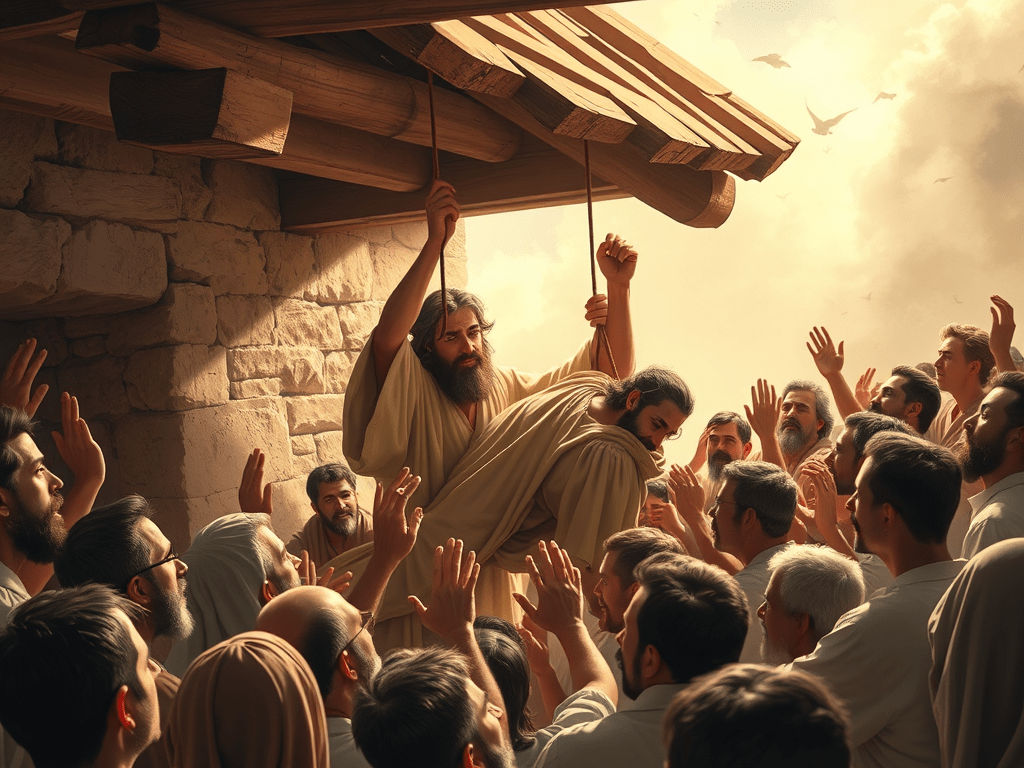
In the passage of Mark 2: 1-12, we find Jesus in Capernaum, in Peter’s house. The crowd gathers, some with the expectation of a miracle, others with faith in the Master, and still others with the intention of criticizing Him. Amidst this diversity, a group of men strives to bring their paralyzed friend before Jesus, hoping that His mercy will heal him.
The crowd blocks their access, but these men, driven by their faith and boldness, decide to take the paralytic up to the roof of the house. Finding a space, they lower him down before Jesus. In an unexpected turn, Jesus says, “Your sins are forgiven.” These words surprise those there, as the paralytic had come seeking physical healing, and Jesus offers him spiritual healing instead.
Jesus’ enemies, upon hearing this, rush to condemn His words without understanding their profound meaning. Yet, Jesus, seizing on the protest of His adversaries, performs a double miracle: the paralytic gets up and walks. This act not only demonstrates Jesus’ authority over the physical but also over the spiritual, affirming His sovereignty over both the visible and the invisible.
When analyzing the different groups existing in this account, we notice that their intentions vary. On one hand, there are the followers of Jesus, motivated by their faith and love. Then, there are the curious ones seeking reasons to believe. We also find those who are looking for personal gain, and finally, the opponents who try to discredit Jesus.
Today, in our communities and organizations, we meet people with similar motivations. Some seek the truth and stay steadfast in their faith, even in the face of adversity. Others, nonetheless, pursue personal interests, willing to destroy anything that stands in their way. There are also those who, while analytical, seek to delve deeper into the truth without any intention of controversy.
The teachings of Jesus invite us to transcend human limitations. Through faith, hope, and charity, we can see beyond the material and anchor ourselves in the spiritual and eternal.
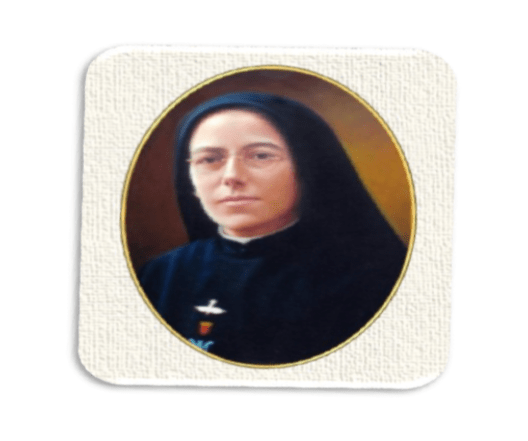
Advice from R.M. Julia Navarrete M.H.P.V.M.
R.M. Julia Navarrete, an inspiring figure in our community, reminds us of the importance of our mission in the Church:
“Our apostolic life demands that we find with the Church, considering ourselves members of it, and responsible for the souls entrusted to us. (Haces de Luz #413)”
This advice profoundly clarifies and guides us about our feelings, intentions, and the way we carry out our apostolate. It is not about a personal and isolated effort, but about acting in communion with the Church we serve.
Reflection: How can you recognize more with the faith community to which you belong and be an instrument of love and service within it?
ACT
1. Consider on Your Intentions: Take a moment to evaluate your motivations in different areas of your life. Are you seeking truth and the common good, or are you being swayed by personal interests?
2. Practice Empathy: Like the friends of the paralytic, look for ways to help those around you. Offer your support to those going through difficult times, whether through a phone call, a visit, or simply by listening.
3. Get Involved in Your Community: Engage in activities that promote the well-being of your community. This includes volunteering with local organizations, participating in prayer groups, or joining initiatives aimed at helping those in need.
4. Study and Deepen Your Faith: Dedicate time to read and consider the teachings of Jesus. Consider joining a Bible study group where you can share and learn with others.
5. Be an Agent of Change: Confront injustices and act with integrity in your environment. Do not allow the personal interests of others to divert you from your path toward truth and goodness.
By putting these actions into practice, you will not only strengthen your own faith but also contribute to creating a more compassionate and supportive environment in your community.
Conclusion:
The story of the paralytic in Mark 2:1-12 invites us to think about our own motivations and actions in life. It reminds us that authentic faith not only seeks personal healing but also compels us to be instruments of love and service for others. Like the friends of the paralytic, we are called to overcome obstacles and lead others toward the light of Christ, acting in communion with our faith community. The teaching of R.M. Julia Navarrete reminds us that our apostolic life must be rooted in our identification with the Church and in our responsibility toward those entrusted to us.
Invitation to Collaborate
We invite you to be an active part of this space for reflection and spiritual growth. If you have experiences, testimonies, or reflections you would like to share, please do not hesitate to contact us. Your voice is valuable and can inspire others on their faith journey. Together, we can build a stronger and more united community, where each of us contributes to the spiritual well-being of others. We expect your contributions and thank you for being part of this mission!

@vocatios.blog
@anamriaguzman2234
One-TimeMonthlyYearlyMake a one-time donation
Make a monthly donation
Make a yearly donation
Choose an amount
MX$5.00MX$15.00MX$100.00MX$5.00MX$15.00MX$100.00MX$5.00MX$15.00MX$100.00Or enter a custom amount
MX$
Your contribution is appreciated.
Your contribution is appreciated.
Your contribution is appreciated.
-
Reflexiones sobre la Fe: El Paralítico y su Comunidad
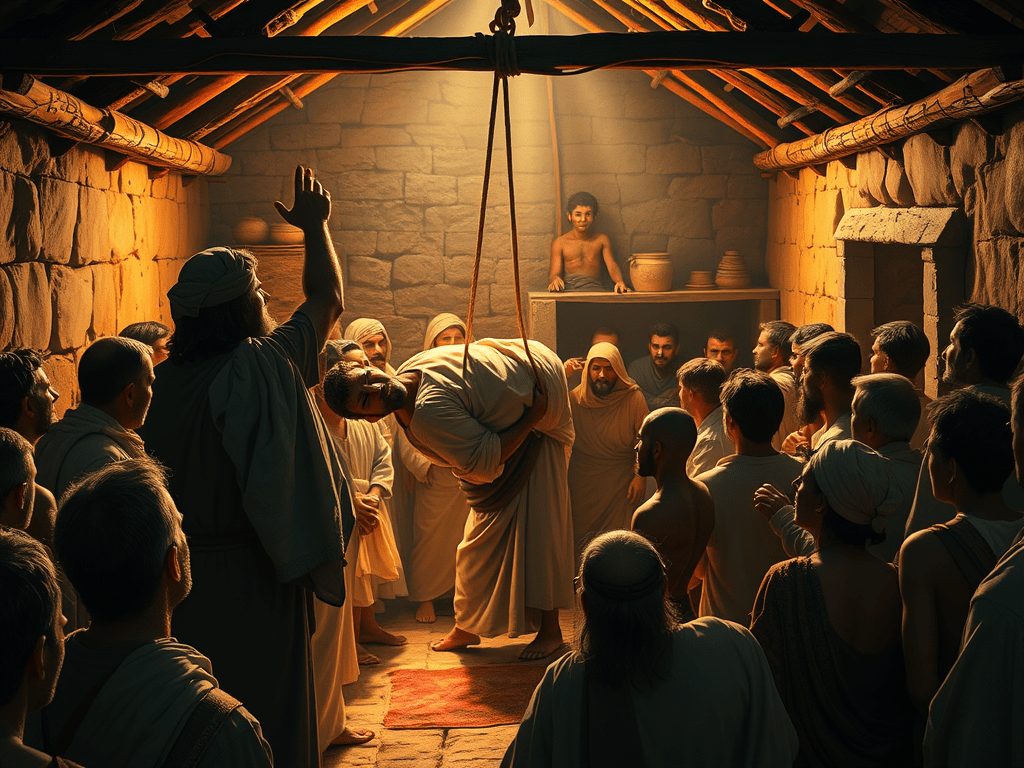
Marcos 2, 1-12
VER
En el pasaje de Marcos 2, 1-12, encontramos a Jesús en Cafarnaúm, probablemente en la casa de Pedro. La multitud se agolpa: algunos esperan un milagro, otros tienen fe en el Maestro, y otros más están allí para criticarlo. En medio de esta diversidad, un grupo de hombres se esfuerza por llevar a su amigo paralítico ante Jesús, con la esperanza de que su misericordia lo sane.
A pesar de que la multitud bloquea su acceso, estos hombres, impulsados por su fe y audacia, deciden subir al paralítico al techo de la casa. Al encontrar un espacio, lo descienden ante Jesús. En un giro inesperado, Jesús pronuncia: “Tus pecados te son perdonados.” Estas palabras sorprenden a los presentes, ya que el paralítico había llegado buscando sanación física, y Jesús le ofrece una sanación espiritual.
Los enemigos de Jesús, al escuchar esto, se apresuran a condenar sus palabras sin comprender su profundo significado. Sin embargo, Jesús, aprovechando la protesta de sus adversarios, realiza un doble milagro: el paralítico se levanta y camina. Este acto no solo demuestra la autoridad de Jesús sobre lo físico, sino también sobre lo espiritual, afirmando su soberanía sobre lo visible e invisible.
JUZGAR
Al analizar los diferentes grupos presentes en este relato, notamos que sus intenciones varían. Por un lado, están los seguidores de Jesús, motivados por su fe y amor. Luego, hay curiosos que buscan razones para creer. También encontramos a aquellos que buscan un beneficio personal, y finalmente, a los opositores que intentan desacreditar a Jesús.
Reflexión:¿En qué grupo te identificas más hoy en día? ¿Buscas la verdad y te mantienes firme en tu fe, o te dejas llevar por intereses personales?
Hoy en día, en nuestras comunidades y organizaciones, encontramos personas con motivaciones similares. Algunos buscan la verdad y se mantienen firmes en su fe, incluso ante la adversidad. Otros, sin embargo, persiguen intereses personales, dispuestos a destruir lo que se interponga en su camino. También hay quienes, aunque analíticos, buscan profundizar en la verdad sin intención de controversia.
Las enseñanzas de Jesús nos invitan a trascender las limitaciones humanas. A través de la fe, la esperanza y la caridad, podemos ver más allá de lo material y anclarnos en lo espiritual y eterno.
Consejos de la R.M. Julia Navarrete M.H.P.V.M.
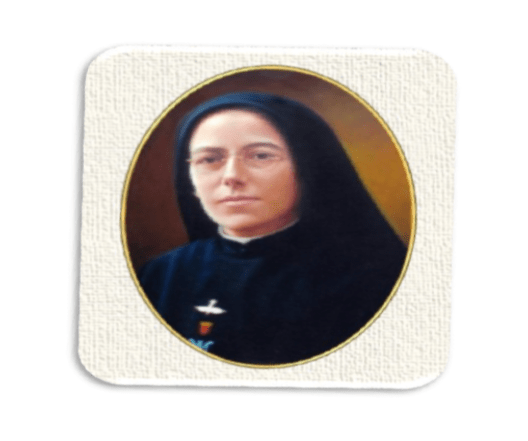
La R.M. Julia Navarrete, una figura inspiradora en nuestra comunidad, nos recuerda la importancia de nuestra misión en la Iglesia:
“Nuestra vida apostólica exige de nosotras la identificación con la Iglesia, considerándonos miembros de ella, y responsables de las almas que se nos encomiendan.” (Haces de Luz #413)
Este consejo nos esclarece y guía profundamente sobre nuestros sentimientos, intenciones y la manera de llevar a cabo nuestro apostolado. No se trata de un esfuerzo personal y aislado, sino de actuar en comunión con la Iglesia a la que servimos.
Reflexión: ¿Cómo puedes identificarte más con la comunidad de fe a la que perteneces y ser un instrumento de amor y servicio en ella?
ACTUAR
1. Reflexiona sobre tus intenciones: Tómate un momento para evaluar tus motivaciones en las diferentes áreas de tu vida. ¿Estás buscando la verdad y el bien común, o te dejas llevar por intereses personales?
2. Practica la empatía:Al igual que los amigos del paralítico, busca maneras de ayudar a quienes te rodean. Por ejemplo, ofrece tu apoyo a un vecino que está pasando por un momento difícil, ya sea a través de una llamada, una visita o simplemente escuchando.
3. Participa en tu comunidad: Involúcrate en actividades que promuevan el bienestar de tu comunidad. Esto puede incluir el voluntariado en organizaciones locales, participar en grupos de oración o en iniciativas que busquen ayudar a los más necesitados.
4. Estudia y profundiza en la fe: Dedica tiempo a leer y reflexionar sobre las enseñanzas de Jesús. Considera unirte a un grupo de estudio bíblico donde puedas compartir y aprender con otros.
5. Sé un agente de cambio: Enfrenta las injusticias y actúa con integridad en tu entorno. No permitas que los intereses personales de otros te desvíen de tu camino hacia la verdad y el bien.
Al poner en práctica estas acciones, no solo fortalecerás tu propia fe, sino que también contribuirás a crear un ambiente más compasivo y solidario en tu comunidad.
CONCLUSIÓN
CONCLUSIÓN
La historia del paralítico en Marcos 2, 1-12 nos invita a reflexionar sobre nuestras propias motivaciones y acciones en la vida. Nos recuerda que la fe auténtica no solo busca la sanación personal, sino que también nos impulsa a ser instrumentos de amor y servicio para los demás. Al igual que los amigos del paralítico, estamos llamados a superar obstáculos y a llevar a otros hacia la luz de Cristo, actuando en comunión con nuestra comunidad de fe.
La enseñanza de la R.M. Julia Navarrete nos recuerda que nuestra vida apostólica debe estar arraigada en la identificación con la Iglesia y en la responsabilidad hacia aquellos que se nos han encomendado.
Invitación a Colaborar
Te invitamos a ser parte activa de este espacio de reflexión y crecimiento espiritual. Si tienes experiencias, testimonios o reflexiones que desees compartir, no dudes en contactarnos. Tu voz es valiosa y puede inspirar a otros en su camino de fe. Juntos, podemos construir una comunidad más fuerte y unida, donde cada uno de nosotros contribuya al bienestar espiritual de los demás. ¡Esperamos tus aportes y te agradecemos por ser parte de esta misión!
@vocatios.blog
@anamriaguzman2234
One-TimeMonthlyYearlyMake a one-time donation
Make a monthly donation
Make a yearly donation
Choose an amount
MX$5.00MX$15.00MX$100.00MX$5.00MX$15.00MX$100.00MX$5.00MX$15.00MX$100.00Or enter a custom amount
MX$
Your contribution is appreciated.
Your contribution is appreciated.
Your contribution is appreciated.
-
The Power of Prayer: Insights from Mark 1:35-39
Mark 1: 35-39
Very early in the morning, while it was still dark, Jesus got up, left the house, and went off to a solitary place, where he prayed. Simon and his companions went to look for him, and when they found him, they exclaimed: “Everyone is looking for you!” Jesus replied, “Let us go somewhere else—to the nearby villages—so I can preach there also. That is why I have come.” So, he traveled throughout Galilee, preaching in their synagogues and driving out demons.
Introduction
We have been meditating on the Gospel of Mark. This Gospel, known as “the one of wonders,” presents the human-divine traits of Jesus. In today’s passage, Mark 1:35-39, we are introduced to the process of establishing the Kingdom through the “messianic secret.”
We will use the Catholic Church’s method for meditating on Sacred Scriptures: SEE (what the sacred writer intended to communicate), JUDGE (what this means in our time), and ACT (how to apply the message in our lives).
The Ignatian Meditation
The Ignatian meditation, based on the spiritual exercises of St. Ignatius of Loyola, focuses on contemplation and reflection to deepen our personal relationship with God. Below are the basic steps of Ignatian meditation:
1. Preparation:
Find a quiet and comfortable place where you can meditate without distractions. Take a moment to calm your mind and body. You say a brief prayer asking for the help of the Holy Spirit.
2. Invocation:
Start the meditation by invoking the presence of God. You can do this with a short prayer, asking for clarity and openness to get what God wants to communicate to you:
> “I adore you, my God, with all the affection of my soul, and I ask for grace that all my intentions, actions, and operations be purely ordered in service and praise of your divine majesty.”
3. Reading the Text:
Choose a passage from the Bible or a spiritual text that you wish to meditate on. Read it carefully, allowing the words to resonate in your heart. Today, we will delve into Mark 1: 35-39. St. Ignatius speaks of the “composition of place,” meaning that once we have read the text, we should enter the passage not as mere spectators but as active participants.
4. Reflection:
Think on the text. Ask yourself what God is saying to you through it. Consider questions like: What stands out to me? What emotions arise within me? What does this invite me to do or change in my life? Applying this to the text of Mark, let us imagine that we are accompanying Jesus and the disciples. It is early morning, and the rays of the sun are just beginning on the horizon. Let us feel the morning breeze, the scent of the grass dampened by the dew, a rooster crowing announces that it is time to start the day, and dogs barking at the movement of strangers.
5. Contemplation:
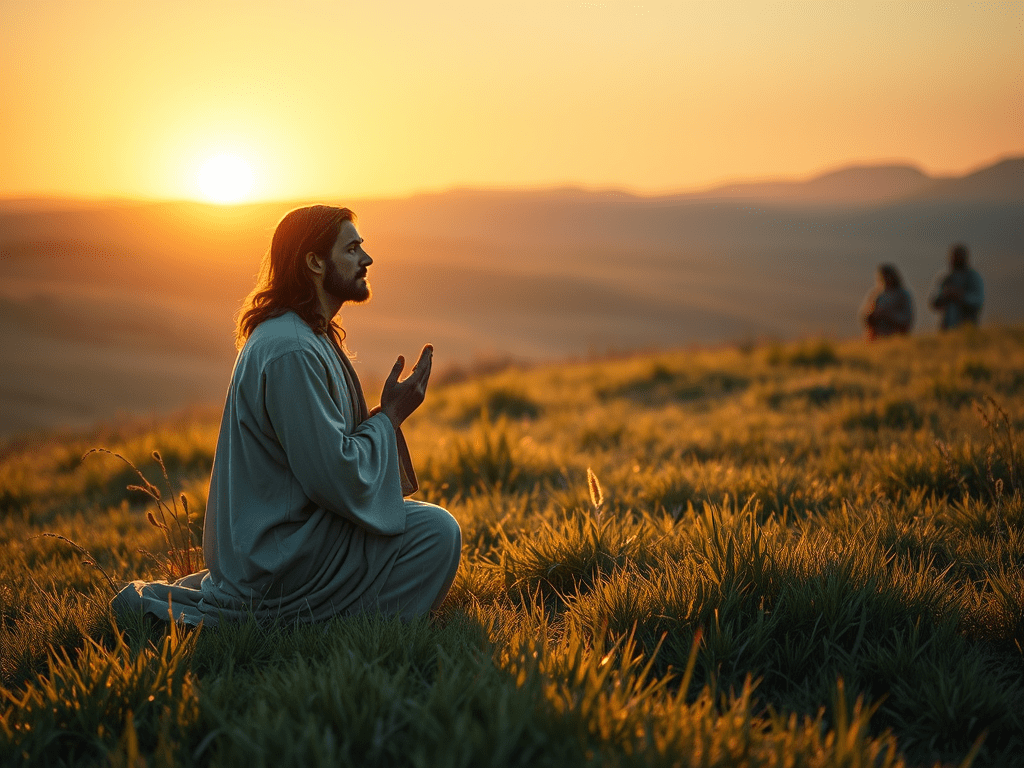
Imagine the scene of the passage. Visualize the characters, the surroundings, and the feelings. Allow yourself to enter the story and experience what is happening. Visualize the disciples beginning to rise and, a little apart from the rest, Jesus in a posture of prayer.
6. Dialogue with God:
Talk to God about your thoughts, feelings, and reflections. Express your doubts, gratitude, or anything else that arises in your heart.
7. Resolution:
At the end of the meditation, consider how you can apply what you have learned in your daily life. Make a commitment or resolution that will help you live according to what you have meditated on.
8. Closing:
Conclude with a prayer of thanksgiving, asking for the grace to live out what you have reflected on and meditated.
Experience in the Classroom
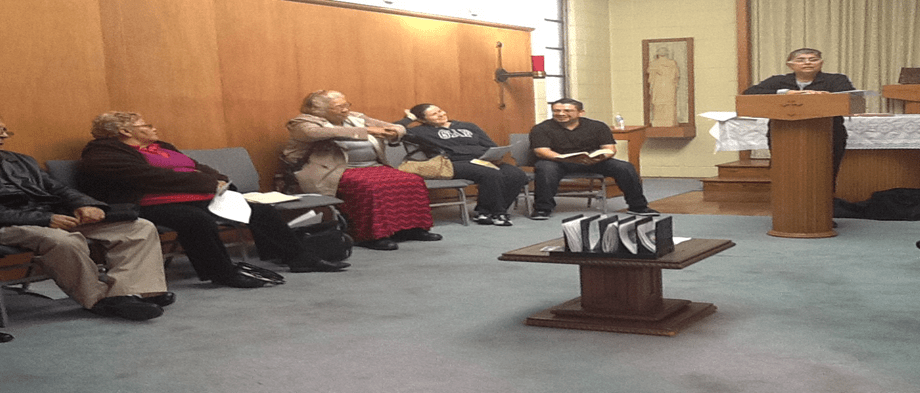
In my more than 30 years as a religion teacher, I have used this method with my students aged 11 to 14. I was amazed to see how capable they were of delving into meditation. Their comments were always extraordinary, sharing deep and meaningful spiritual experiences. In fact, they constantly asked me to include meditation in our religion classes at least once or twice a month. This practice not only enriched their understanding of the faith but also fostered an environment of reflection and connection with God.
Talking with my students about their spiritual experiences after the meditations, they shared with me: “I saw Jesus coming towards me, embracing me, and listening to everything I told Him about my problems at home. He comforted me and smiled at me.” The boy ended up in tears. Others mentioned how they had heard birds singing and, above all, that they felt overwhelmed with peace and that their fears had faded away. I can assure you that it was not just imagination, as their behavior gradually changed, and they became more mature young people who enjoyed attending Mass.
Experiential Testimony from My Students
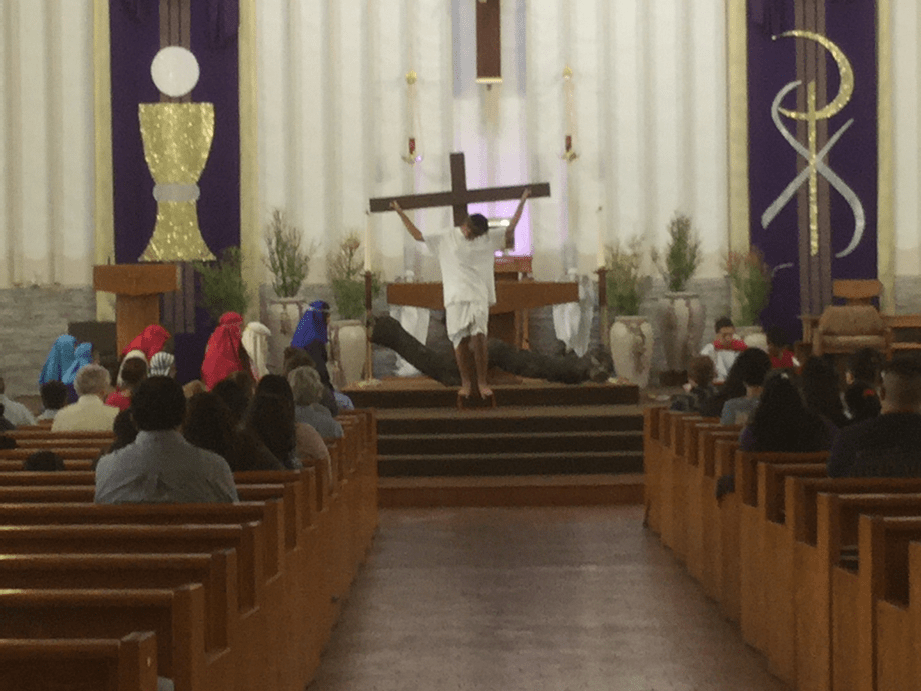
They loved participating in the activities of the Student Religion Committee, like praying the rosary during the month of October, the living rosary on October 7th, the Christmas musical program, participating in the Stations of the Cross on Fridays during Lent, and the culmination of it all, the Living Stations of the Cross on Good Friday.
Each year, attendance at the Stations of the Cross increased. Notably, the attendance of alumni at this devotion was remarkable. At the end of the Stations of the Cross, my former students would come to greet me and comment, “Remember that I played such-and-such role when I was here at school!” All of them, men and women, some already in college, expressed their pride in having participated in some of the liturgical activities during their adolescence.
Final Reflection
This passage invites us to consider the importance of prayer and solitude in our spiritual lives. Jesus, despite being sought by many, prioritizes his connection with the Father. In a world full of distractions, how can we find our own “solitary place” to pray and think?

Invitation to Spread the Kingdom
We invite you to join this mission of spreading the Kingdom of God. Share this article with friends, family, and on your social media. By doing so, you are not only contributing to the dissemination of a message of hope and faith but also encouraging others to think about their own spiritual lives and take action on their journey toward God.

Each of us has a role to play in building a better world. Together, we can be agents of change, bringing the love and truth of Christ to every corner of our society. Let us act today and be light during darkness!
Invitation to Share Experiences
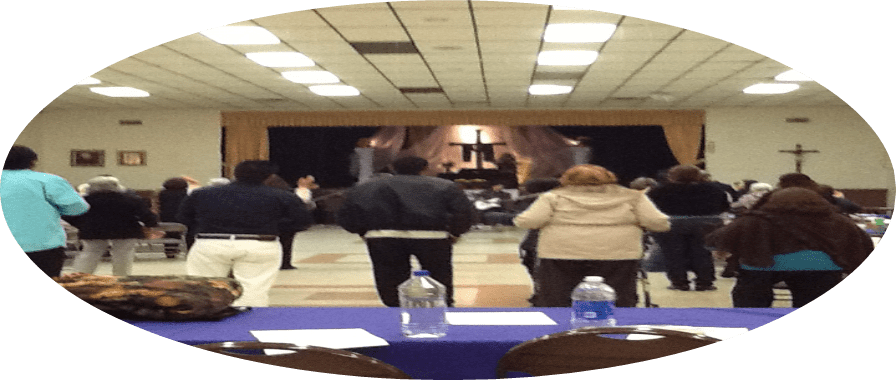
We would love to hear your experiences and reflections on how you apply the rule of “as much as” in your daily life. Have you found creative ways to act in your faith? What changes have you made in your routine that have brought you closer to God and your community? We invite you to share your stories and leanings in the comments. Together, we can inspire one another and build a stronger community in our pursuit of living fully in faith. We look ahead to your contributions!
@vocatios.blog
@anamriaguzman2234
 One-TimeMonthlyYearly
Make a one-time donation
Make a monthly donation
Make a yearly donation
Choose an amount
MX$5.00MX$15.00MX$100.00MX$5.00MX$15.00MX$100.00MX$5.00MX$15.00MX$100.00Or enter a custom amount
MX$
Your contribution is appreciated.
Your contribution is appreciated.
Your contribution is appreciated.
-
La Oración de Jesús: Clave para el Crecimiento Espiritual

Marcos 1, 35 – 39
De madrugada, cuando todavía estaba muy oscuro, se levantó, salió y fue a un lugar solitario y allí se puso a hacer oración. Simón y sus compañeros fueron en su busca; al encontrarle, le dicen: «Todos te buscan.» Él les dice: «Vayamos a otra parte, a los pueblos vecinos, para que también allí predique; pues para eso he salido.» Y recorrió toda Galilea, predicando en sus sinagogas y expulsando los demonios.
Introducción: El Mensaje del Evangelio
En este artículo, exploraremos el Evangelio de San Marcos, conocido como “el de las maravillas”, que nos presenta los rasgos humano-divinos de Jesús. En el pasaje de hoy, Marcos 1, 35-39, se nos introduce en el proceso de instauración del Reino a través del “secreto mesiánico”. Utilizaremos el método de la Iglesia Católica para meditar las Sagradas Escrituras: VER (lo que el escritor sagrado ha querido comunicar), JUZGAR (lo que esto quiere decir en nuestro tiempo) y ACTUAR (cómo aplicar el mensaje en nuestra vida).
La Meditación Ignaciana: Un Camino de Reflexión
La meditación ignaciana, basada en los ejercicios espirituales de San Ignacio de Loyola, se centra en la contemplación y la reflexión para profundizar en nuestra relación personal con Dios. A continuación, se describen los pasos básicos de la meditación ignaciana:
1. Preparación: Encuentra un lugar tranquilo y cómodo donde puedas meditar sin distracciones. Tómate un momento para calmar tu mente y cuerpo. Puedes hacer una breve oración pidiendo la ayuda del Espíritu Santo.
2. Invocación: Comienza la meditación invocando la presencia de Dios. Puedes hacerlo con una oración breve, pidiendo claridad y apertura para recibir lo que Dios quiere comunicarte:
> “Os adoro, Dios mío, con todo el afecto de mi alma, y os pido gracia para que todas mis intenciones, acciones y operaciones sean puramente ordenadas en servicio y alabanza de vuestra divina majestad”.
3. Lectura del texto: Escoge un pasaje de la Biblia o un texto espiritual que quieras meditar. Léelo atentamente, permitiendo que las palabras resuenen en tu corazón. Hoy nos introduciremos en el pasaje de Marcos 1, 35-39. San Ignacio nos habla de la “composición del lugar”, es decir, una vez que hemos leído el texto, debemos introducirnos en el pasaje no como simples espectadores, sino como participantes activos.
4. Reflexión: Reflexiona sobre el texto. Pregúntate qué te dice Dios a través de él. Considera preguntas como: ¿Qué me llama la atención? ¿Qué emociones surgen en mí? ¿Qué me invita a hacer o cambiar en mi vida? Aplicando esto al texto de Marcos, imaginemos que estamos acompañando a Jesús y a los discípulos. Es de madrugada y aún los rayos del sol apenas se vislumbran en el horizonte. Sintamos la brisa de la mañana, el olor de la yerba húmeda por el rocío, quizás algún gallo anunciando que es hora de empezar las labores, perros ladrando al sentir el movimiento de extraños.
5. Contemplación: Imagina la escena del pasaje. Visualiza a los personajes, el entorno y los sentimientos. Permítete entrar en la historia y experimentar lo que sucede. Visualiza a los discípulos que comienzan a incorporarse y, un poco alejado del resto, a Jesús en actitud de oración.
6. Diálogo con Dios: Habla con Dios sobre tus pensamientos, sentimientos y reflexiones. Expresa tus dudas, agradecimientos o cualquier otra cosa que surja en tu corazón.
7. Resolución: Al final de la meditación, considera cómo puedes aplicar lo que has aprendido en tu vida diaria. Haz un compromiso o resolución que te ayude a vivir de acuerdo con lo que has meditado.
8. Cierre: Termina con una oración de agradecimiento, pidiendo la gracia de vivir lo que has reflexionado y meditado.
La Transformación Espiritual a Través de la Meditación
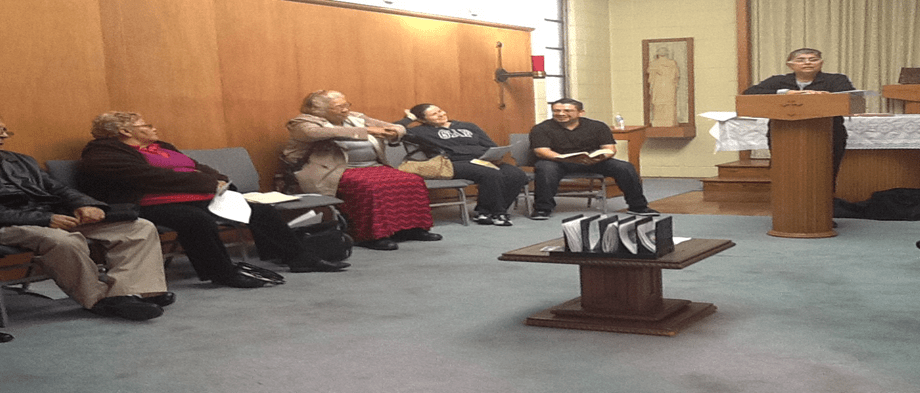
En mis más de 30 años como maestra de religión, he utilizado este método con mis alumnos de 11 a 14 años. Me sorprendió ver cómo eran capaces de adentrarse en la meditación. Sus comentarios eran siempre extraordinarios, compartiendo experiencias espirituales profundas y significativas. De hecho, constantemente me pedían que incluyera la meditación en nuestras clases de religión al menos una o dos veces al mes. Esta práctica no solo enriquecía su comprensión de la fe, sino que también fomentaba un ambiente de reflexión y conexión con Dios.
Testimonio Vivencial de mis Alumnos
Hablando con mis alumnos sobre sus experiencias espirituales después de las meditaciones, me comunicaban que: “Vi a Jesús que se me acercaba y me abrazaba y me escuchaba todo lo que yo le decía de mis problemas en casa. Me consoló y me sonrió.” El chico terminó bañado en lágrimas. Otros me comentaban cómo habían escuchado pájaros cantando y, sobre todo, que se sentían inundados de paz y que sus miedos se habían desvanecido. Puedo asegurar que no era solo imaginación, porque su comportamiento iba modificándose poco a poco y se iban convirtiendo en chicos más maduros que gustaban de asistir a la misa. Les encantaba participar en las actividades del Comité Estudiantil de Religión, como el rezo del rosario durante el mes de octubre, el rosario viviente del 7 de octubre, el programa musical de Navidad, la participación en el Vía Crucis los viernes de Cuaresma, y el culmen de todo, el Vía Crucis Viviente el Viernes Santo.
Cada año, la asistencia de los feligreses al Vía Crucis fue aumentando. Sobre todo, la asistencia de los exalumnos a esta devoción era notable. Al finalizar el Vía Crucis, venían mis exalumnos a saludarme y a comentar: “¡Recuerda que yo hice tal papel cuando estaba aquí en la escuela!” Todos, hombres y mujeres, algunos ya universitarios, demostraban su orgullo de haber participado en alguna de las actividades litúrgicas en su adolescencia.
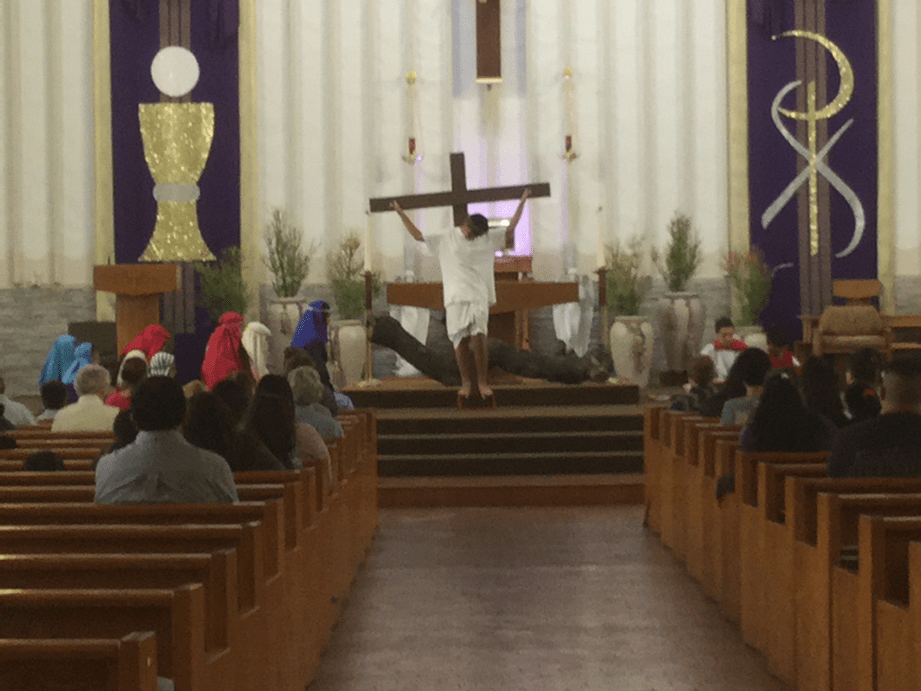
Via Crucis Viviente del Viernes Santo
Reflexión Final: La Oración en Nuestra Vida
Este pasaje nos invita a considerar la importancia de la oración y la soledad en nuestra vida espiritual. Jesús, a pesar de ser buscado por muchos, prioriza su conexión con el Padre. En un mundo lleno de distracciones, ¿Como podemos encontrar nuestro propio “lugar solitario” para orar y reflexionar? ¿Qué pasos concretos podemos dar para integrar la oración en nuestra rutina diaria? Reflexiona sobre esto y considera cómo puedes hacer de la oración una prioridad en tu vida.
Invitación a Propagar el Reino: Un Llamado a la Acción
Te invitamos a unirte a esta misión de propagar el Reino de Dios. Comparte este artículo con amigos, familiares y en tus redes sociales. Al hacerlo, no solo estás contribuyendo a la difusión de un mensaje de esperanza y fe, sino que también estás alentando a otros a reflexionar sobre su propia vida espiritual y a tomar acción en su camino hacia Dios.

Retiro Cuaresmal
Cada uno de nosotros tiene un papel que desempeñar en la construcción de un mundo mejor. Juntos, podemos ser agentes de cambio, llevando el amor y la verdad de Cristo a todos los rincones de nuestra sociedad. ¡Actuemos hoy y seamos luz en medio de la oscuridad!
Invitación a Compartir Experiencias: Construyendo Comunidad
Nos encantaría conocer tus experiencias y reflexiones sobre cómo aplicas la regla del “tanto cuanto” en tu vida diaria. ¿Has encontrado formas creativas de actuar en tu fe? ¿Qué cambios has realizado en tu rutina que te han acercado más a Dios y a tu comunidad? Te invitamos a compartir tus historias y aprendizajes en los comentarios. Juntos, podemos inspirarnos mutuamente y construir una comunidad más fuerte en nuestra búsqueda de vivir plenamente en la fe. ¡Esperamos tus aportes!
@vocatios.blog @anamriaguzman2234
:
One-TimeMonthlyYearlyMake a one-time donation
Make a monthly donation
Make a yearly donation
Choose an amount
MX$5.00MX$15.00MX$100.00MX$5.00MX$15.00MX$100.00MX$5.00MX$15.00MX$100.00Or enter a custom amount
MX$
Your contribution is appreciated.
Your contribution is appreciated.
Your contribution is appreciated.
-
Acting in Faith: Building the Kingdom of God in a Confusing World
Mark 1:32-34
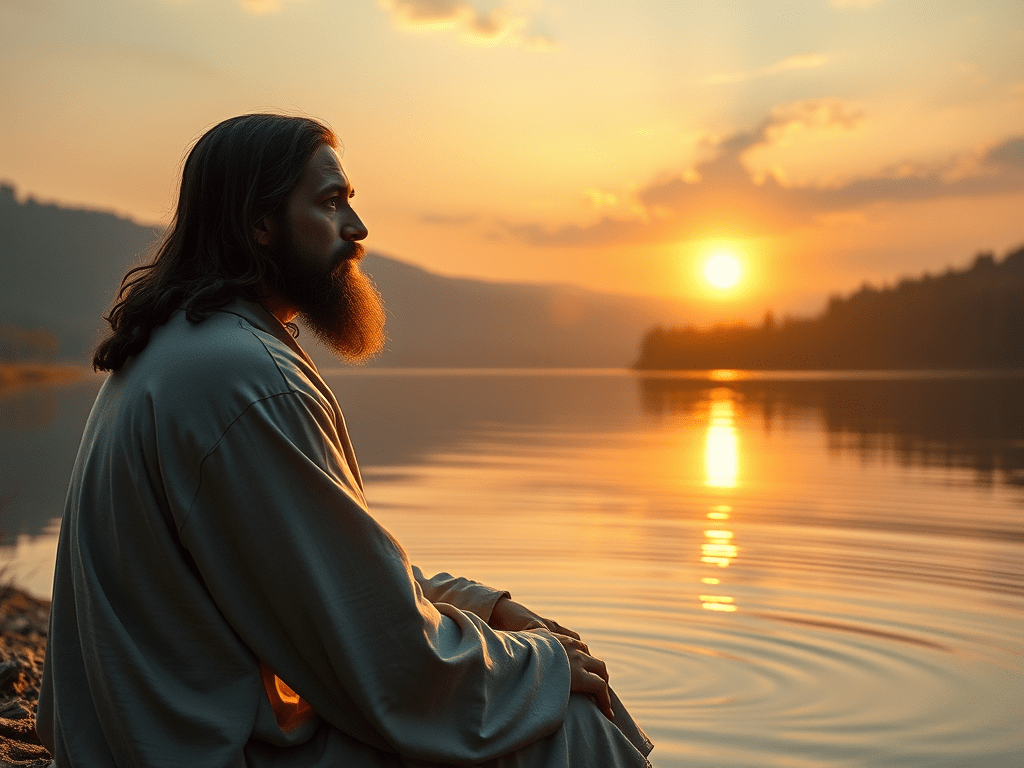
Before sunset, when the sun was already setting, they began to bring to Jesus all the sick and those possessed by evil spirits. The whole town was gathered at the door. Jesus healed many who were ill and drove out many demons, but he would not let the demons speak because they knew who he was.
Introduction
In this passage, we find ourselves at a moment of transition between everyday life and the divine mission of Jesus. The scene unfolds at the end of the day, as the light of the sun begins to fade, symbolizing the shift from the mundane to the spiritual. The crowd, eager to find relief and healing, gathers at the door where Jesus is, the only one capable of offering them the healing they seek.
Jesus not only cares about the physical health of individuals but also recognizes the importance of mental and social well-being. His mission is holistic: to save the human being in its entirety, freeing them from the bonds that oppress them and empowering them to make decisions that integrate them into society as agents of change. In this sense, Jesus invites us to consider our own health in all its dimensions, reminding us that true redemption encompasses the body, mind, and spirit.
Reflections
1. The Urgency of Healing: What does the crowd gathered around Jesus tell us about the human need for healing? How can we recognize and tackle the needs of those around us?
2. The Wholeness of Jesus’ Mission: How can we apply Jesus’ holistic approach in our daily lives? In what ways can we work on our physical, mental, and spiritual health?
3. Resistance to Recognition: Why did Jesus not allow the demons to speak about his identity? What does this teach us about the importance of humility and control over our own narrative?
4. Agents of Change: How can we be agents of change in our community, after the example of Jesus? What concrete steps can we take to help those who are suffering?
Saint John Chrysostom
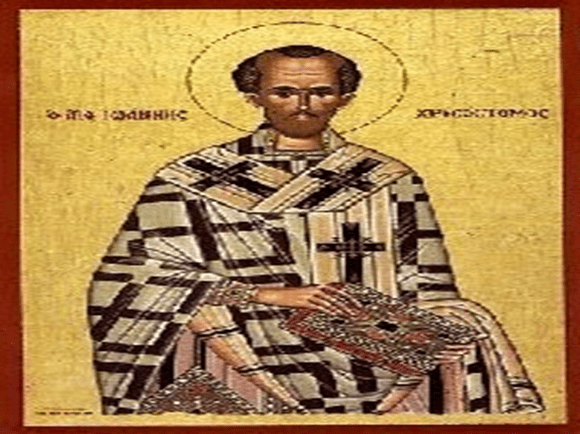
Saint John Chrysostom, known as “Golden Mouth,” for his exceptional eloquence, was a prominent Church Father born in Antioch around the year 347. As the Patriarch of Constantinople, he was noted for his fervent defense of social justice and his criticism of corruption, which earned him both popular admiration and powerful enemies, including Empress Eudoxia. His life was marked by passionate preaching and an unwavering commitment to reform, which ultimately led to his exile and death in 407. His legacy endures in the Christian tradition, being remembered as a model of integrity and dedication to the service of God.
Biography of Saint John Chrysostom
Saint John Chrysostom is a central figure in the history of Christianity, not only for his eloquence but also for his deep commitment to justice and truth. His life and work show a constant wish to bring people closer to God through preaching and teaching. His criticism of social injustices and his defense of the poor make him a reference point for those seeking to live their faith in an active and committed manner.
Comparison of Mark 1:34 and Luke 4:41
Saint Thomas Aquinas, referencing this passage, notes that Saint John Chrysostom explained that “where it says many, it should be understood as all, according to the custom of Scripture.” This interpretation suggests that Mark’s focus is more on the essence of the miracle rather than the number of people healed.
Furthermore, Saint Thomas clarifies that the account in Luke 4:41 does not contradict Mark 1:34. Luke mentions that “demons were coming out of many, crying out and saying, ‘You are the Christ, the Son of God,’” and adds that Jesus, “rebuking them, did not allow them to speak.” This omission of details in Mark is due to his intention to keep brevity and focus on the purpose of the demons’ words, which is the messianic secret.
The Messianic Secret
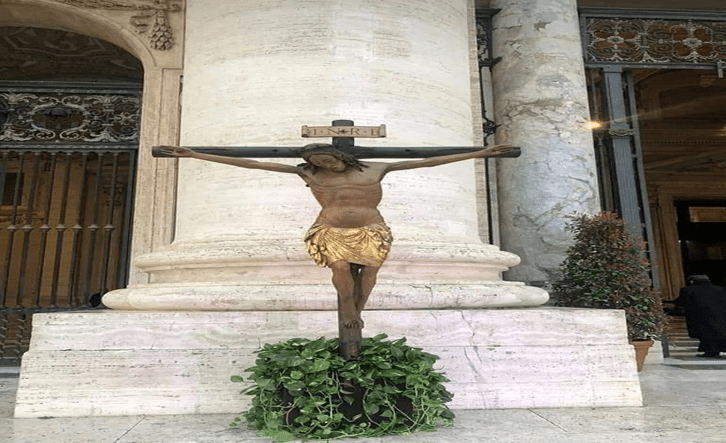
It is important to emphasize Jesus’ prohibition to the demons, as Saint Mark highlights the messianic secret throughout his gospel. This aspect is crucial because Jesus does not wish to be recognized as a Messiah according to the expectations of his time, which envisioned him as a warrior leader and victor in the style of Moses. Instead, Jesus seeks to make it clear that his kingdom is spiritual and transcends the limitations of this world. This concept is fully revealed in the figure of the “Suffering Servant,” which is manifested in the passion, death, and resurrection of Jesus.
Reflection Questions
1. The eloquence of Saint John Chrysostom: How can we learn from the life of Saint John Chrysostom in our own communication and defense of justice in today’s world?
2. Interpretation of Scriptures: What does Saint Thomas’ interpretation teach us about the relationship between the accounts of Mark and Luke? How can we apply this approach to our understanding of other biblical passages?
3. The messianic secret: Why do you think Jesus chose to keep his identity as the Messiah a secret? What implications does this have for our understanding of his mission and his kingdom?
4. Spiritual kingdom vs. human expectations: How can we discern between our own expectations of what the kingdom of God should be and the reality of its spiritual message? What steps can we take to align ourselves more closely with Jesus’ vision?
Judging
In our modern world, it is difficult to be astonished by situations like those described in the gospels. Healing still take place in a context that, although extraordinary, we often try to overshadow, allowing the presence of Jesus in the contemporary world to go unnoticed. This tendency to reduce supernaturalism shows our distrust or skepticism toward what we can’t explain.
False Prophets
Unfortunately, in this context, false prophets also emerge, seeking to draw attention to the action of Jesus in the world but with deceptive intentions. Many of the miracles presented on television are, in reality, rehearsed and fraudulent, designed to scam viewers and attract followers to their “churches.” These leaders, by raising large sums of money, enrich themselves personally, often at the expense of those who genuinely seek faith and healing.
Jim Bakker
An emblematic case of this phenomenon is that of Jim Bakker, a Protestant pastor who became famous in the 1980th for his television program “The PTL Club.” Despite his early success, in 1989 he was accused of fraud and embezzlement, which resulted in his conviction and a prison sentence. His story had a significant impact on the public perception of televangelists and highlighted the dangers of exploiting faith for personal gain.
Religious Manipulation for Personal Gain
Today, there are many modern churches whose founders seem to have the sole wish of attracting people to their institutions, not necessarily to extend the Kingdom of Heaven, but to increase their bank accounts. This pursuit of profit often overshadows the true message of the Gospel and distorts the mission of the church.
Anecdote
For a time in the United States, I listened to a program by a pastor of a Protestant church who spoke with great enthusiasm about the Gospel and claimed to carry out instant healing. A friend of mine, very impressed, asked if she can call to schedule an appointment for prayer. Although I warned her to be cautious, I respected her decision.
One day, my friend called to make an appointment, and what happened next opened her eyes and completely disillusioned her. During the phone call, she was informed that the appointment would cost $25. She promptly hung up, and when she shared her experience with me, she said, “If I want someone to pray for me in the Catholic Church’s prayer group, it’s free and much more effective, without the advertising of this so-called church.
Acting
We are living in a historic moment on all levels: social, political, and spiritual. Conspiracy theories have confused many well-meaning people who wish to follow Jesus in their daily lives. Unfortunately, this has become a challenge for the average parishioner, whose religious preparation is minimal and poorly documented.
Benjamin Franklin said, “An investment in knowledge always pays the best interest.” This statement is especially true in the religious realm. Nonetheless, it is not just about educating oneself religiously; it is essential to seek teachers, groups, and spiritual directors who are orthodox in their thinking. We must avoid extremes that never lead to the full truth and that can be categorized as “fascist or Pharisaical.”

The Rule of “As Much As”
The “as much as” rule of Saint Ignatius of Loyola refers to how we should discern and act in our spiritual lives. This rule establishes that we should give more importance to things that lead to salvation and spiritual good, and less to those that do not. In other words, it is about evaluating things based on their spiritual value and their ability to bring us closer to God.
In the context of Saint Ignatius’s “Spiritual Exercises,” this rule is found in “Annotation 5.” In this annotation, Saint Ignatius explains that one should consider the “as much as” about the things that help a person progress in their spiritual life and in their relationship with God.
Hands on Deck
Sometimes, we feel overwhelmed by the evil and uncertainty in the world, in society, and often within our own families. It is necessary to take action if we want a better world in all dimensions of life. We should not wait for society to change from the outside; we must start building our own future, our families, and our secular and religious society from within, beginning with ourselves.
Steps to Follow
In any construction and in the actions, we undertake, it is essential to evaluate by asking certain questions: “what,” “who,” “how,” and “when.”
1. What do I seek to do with my life?
– What is the goal I want to achieve?
– What is my personal knowledge about this?
– Am I seeking only material or spiritual good, or both?
2. Who can guide me?
– Who can help me orient my life or my thoughts selflessly?
3. How can I start to discern what is truly important in my life?
– How can this lead me to achieve the goals I pursue?
4. When and where can I start a new life that is meaningful to me?
– What concrete steps can I take today to start this process?
Practical Examples for Applying the Rule of “As Much As”
1. Focus on Prayer Time: Dedicate a specific time each day for prayer and meditation. Start with a few minutes, and as you become more comfortable, gradually increase the duration. This practice will help you create a deeper connection with God and discern His will in your life.
2. Evaluate Resource Use: Think about how you use your time, money, and energy. Ask yourself, “Am I investing in things that truly nourish my spirit and my community?” If you find that you spend a lot of time on activities that do not contribute to your spiritual growth, consider reducing them and dedicating that time to more meaningful activities, like volunteering or studying the Bible.
3. Join the Community: Get involved in your church or local community. This can be through Bible study groups, service activities, or community events. By doing so, you are not only growing in your faith but also contributing to the well-being of others, acting to the extent that you can.
4. Practice Generosity: Consider how you can be generous with your resources. This doesn’t always mean giving large sums of money; sometimes, it’s about offering your time or skills. For example, if you are good at cooking, you prepare meals for those in need in your community.
5. Consider on Daily Decisions: Before making important decisions, take a moment to pray and think. Ask yourself how that decision aligns with your values and faith. This can apply to decisions about work, relationships, or lifestyle choices.
6. Set Spiritual Goals: Define specific and achievable goals in your spiritual life. For instance, you might aim to read a spiritual book each month or attend a spiritual retreat once a year. This will help you stay focused and grow in your faith consistently.
Final Reflections
When taking action, it is vital to remember that every small step counts. Personal and community transformation begins with conscious decisions and a genuine commitment to spiritual growth. By investing in our knowledge and discernment, we not only draw closer to God but also become agents of change in the world around us. These questions and reflections invite us to take action, to be proactive in our spiritual lives, and to build a future that reflects the values of the Kingdom of God.
1. The Search for the Authentic: How can we discern between what is authentic and what is false in the spiritual realm? What criteria can we use to evaluate the integrity of religious leaders?
2. The Manipulation of Faith: What impact does the commercialization of faith have on the public perception of Christianity? How can we counteract this trend in our communities?
3. The True Mission of the Church: How can we guarantee that our actions and those of our church align with the mission of extending the Kingdom of God, rather than seeking personal gain?
4. The Importance of Community: What role does community play in our spiritual lives? How can we foster an environment of genuine support and prayer, free from economic interests?
These questions invite us to think on the authenticity of our faith and how we can live it out in a coherent and committed manner, avoiding the traps of manipulation and fraud.
Conclusion
In a world filled with confusion and challenges, it is essential for each of us to take an active role in building the Kingdom of God. Education and discernment are fundamental tools that enable us to navigate the complexities of modern life and remain steadfast in our faith. By investing in our spiritual knowledge and seeking the guidance of teachers and orthodox communities, we can strengthen our relationship with God and act effectively in our lives and in society.
Saint Ignatius’ principle of “as much as” reminds us of the importance of prioritizing what truly matters: our salvation and spiritual well-being. By putting our hands to work and committing ourselves to live according to these principles, we not only transform our own lives but also positively impact those around us.
Invitation to Spread the Kingdom
We invite you to join this mission of spreading the Kingdom of God. Share this article with friends, family, and on your social media. By doing so, you are not only contributing to the dissemination of a message of hope and faith, but you are also encouraging others to think about their own spiritual lives and take action on their journey toward God.
Each of us has a role to play in building a better world. Together, we can be agents of change, bringing the love and truth of Christ to every corner of our society. Let us act today and be a light during darkness!
Invitation to Share Experiences
We would love to hear your experiences and reflections on how you apply the principle of “as much as” in your daily life. Have you found creative ways to act on your faith? What changes have you made in your routine that have brought you closer to God and your community? We invite you to share your stories and insights in the comments. Together, we can inspire one another and build a stronger community in our pursuit of living fully in faith. We look ahead to your contributions!
Invitation to Read “My Path”
We invite you to discover the inspiring autobiography “My Path,” written by the Venerable M. Julia Navarrete Guerrero, a mystical figure from Mexico in our times. In its pages, M. Julia shares her profound spiritual journey, experiences, and reflections that can enrich your own life of faith. This book is a unique opportunity to learn about her legacy and gain insights from her wisdom.
If you would like more information or wish to buy a copy, please feel free to contact us at: causavmjulia74@gmail.com.
Immerse yourself in this transformative reading and let its message resonate in your heart!
@vocatios.blog
@anamriaguzman2234
Sources of the Article
Comentario al Evangelio de San Marcos, Juan Mateos S.J. Centro de Reflexión Teológica, 1990
La Noticia de Jesús Según San Marcos, Luis Mosconi, Ediciones Dabar, 1990
Santo Tomás de Aquino, Catena Aurea, Comentarios al Evangelio de San Marcos
El Evangelio Según San Marcos, Salvador Carrillo Alday
One-TimeMonthlyYearlyMake a one-time donation
Make a monthly donation
Make a yearly donation
Choose an amount
MX$5.00MX$15.00MX$100.00MX$5.00MX$15.00MX$100.00MX$5.00MX$15.00MX$100.00Or enter a custom amount
MX$
Your contribution is appreciated.
Your contribution is appreciated.
Your contribution is appreciated.
-
Actuar en la Fe: Construyendo el Reino de Dios en un Mundo Confuso
Marcos 1, 32 – 34
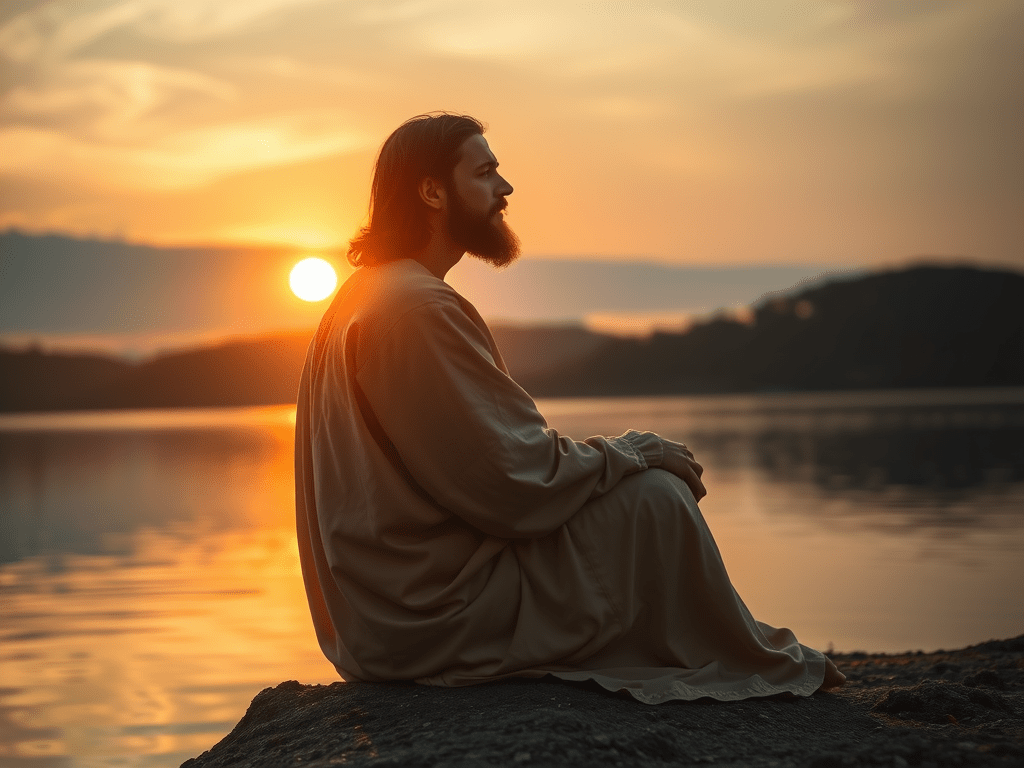
Antes del atardecer, cuando ya se ponía el sol, empezaron a traer a Jesús todos los enfermos y personas poseídas por espíritus malos. El pueblo entero estaba reunido ante la puerta. Jesús sanó a muchos enfermos y expulsó muchos demonios, pero no los dejaba hablar, pues sabían quién era.
Introducción
En este pasaje, nos encontramos en un momento de transición entre la vida cotidiana y la misión divina de Jesús. La escena se desarrolla al final de un día, cuando la luz del sol comienza a desvanecerse, simbolizando el paso de lo mundano a lo espiritual. La multitud, ansiosa por encontrar alivio y sanación, se agolpa ante la puerta donde se encuentra Jesús, quien es el único capaz de ofrecerles la curación que buscan.
Jesús no solo se preocupa por la salud física de las personas, sino que también reconoce la importancia de la salud mental y social. Su misión es integral: salvar al ser humano en su totalidad, liberándolo de las ataduras que lo oprimen y capacitándolo para tomar decisiones que lo integren en la sociedad como un agente de cambio. En este sentido, Jesús nos invita a considerar nuestra propia salud en todas sus dimensiones, recordándonos que la verdadera redención abarca el cuerpo, la mente y el espíritu.
Reflexiones
1. La urgencia de la sanación: ¿Qué nos dice la multitud que se agolpa ante Jesús sobre la necesidad humana de sanación? ¿Cómo podemos reconocer y atender las necesidades de quienes nos rodean?
2. La integralidad de la misión de Jesús: ¿Cómo podemos aplicar el enfoque integral de Jesús en nuestra vida diaria? ¿De qué manera podemos trabajar en nuestra salud física, mental y espiritual?
3. La resistencia al reconocimiento: ¿Por qué Jesús no permitía que los demonios hablasen sobre su identidad? ¿Qué nos enseña esto sobre la importancia de la humildad y el control sobre nuestra propia narrativa?
4. Agentes de cambio: ¿Cómo podemos ser agentes de cambio en nuestra comunidad, siguiendo el ejemplo de Jesús? ¿Qué pasos concretos podemos dar para ayudar a quienes están sufriendo?
Ver

San Juan Crisóstomo
San Juan Crisóstomo, conocido como “boca de oro” por su excepcional elocuencia, fue un destacado Padre de la Iglesia nacido en Antioquía alrededor del año 347. Como patriarca de Constantinopla, se destacó por su ferviente defensa de la justicia social y su crítica a la corrupción, lo que le valió tanto admiración popular como poderosos enemigos, incluyendo a la emperatriz Eudoxia. Su vida estuvo marcada por la predicación apasionada y un compromiso inquebrantable con la reforma, lo que finalmente lo llevó al destierro y a la muerte en 407. Su legado perdura en la tradición cristiana, siendo recordado como un modelo de integridad y dedicación al servicio de Dios.
Biografía de San Juan Crisóstomo
San Juan Crisóstomo es una figura central en la historia del cristianismo, no solo por su elocuencia, sino también por su profundo compromiso con la justicia y la verdad. Su vida y obra reflejan un deseo constante de acercar a las personas a Dios, a través de la predicación y la enseñanza. Su crítica a las injusticias sociales y su defensa de los pobres lo convierten en un referente para aquellos que buscan vivir su fe de manera activa y comprometida.
Comparación de Marcos 1,34 y Lucas 4,41
Santo Tomás de Aquino, al hacer referencia a este pasaje, señala que San Juan Crisóstomo explicaba que “en donde dice muchas debe entenderse todas, según la costumbre de la Escritura”. Esta interpretación sugiere que el enfoque de Marcos es más sobre la esencia del milagro que sobre la cantidad de personas sanadas.
Además, Santo Tomás aclara que el relato de San Lucas 4,41 no contradice a Marcos 1,34. Lucas menciona que “salían los demonios de muchos clamando y diciendo: ‘Tú eres Cristo, Hijo de Dios’”, y añade que Jesús, “reprendiéndolos, no les dejaba hablar”. Esta omisión de detalles en Marcos se debe a su intención de mantener la brevedad y centrarse en la finalidad de las palabras de los demonios, que es el secreto mesiánico.
El Secreto Mesiánico
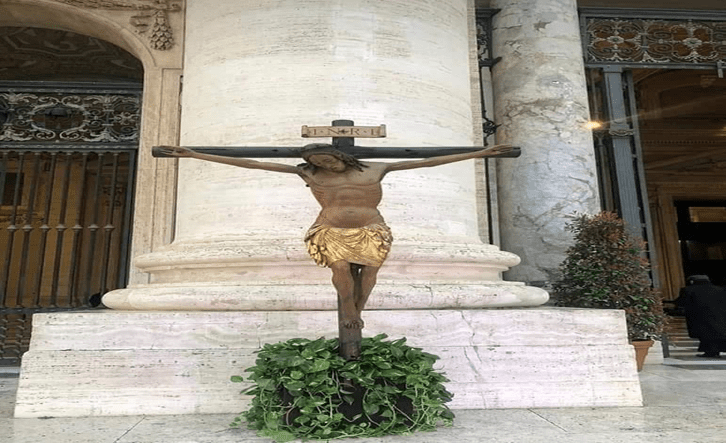
Es importante subrayar la prohibición de Jesús a los demonios, ya que San Marcos enfatiza el secreto mesiánico a lo largo de su evangelio. Este aspecto es crucial, ya que Jesús no desea ser reconocido como un Mesías conforme a las expectativas de su tiempo, que lo imaginaban como un líder guerrero y victorioso al estilo de Moisés. En cambio, Jesús busca dejar claro que su reino es espiritual y trasciende las limitaciones de este mundo. Este concepto se revela plenamente en la figura del “Siervo Sufriente”, que se manifiesta en la pasión, muerte y resurrección de Jesús.
Preguntas de Reflexión
1. La elocuencia de San Juan Crisóstomo: ¿Cómo podemos aprender de la vida de San Juan Crisóstomo en nuestra propia comunicación y defensa de la justicia en el mundo actual?
2. Interpretación de las Escrituras: ¿Qué nos enseña la interpretación de Santo Tomás sobre la relación entre los relatos de Marcos y Lucas? ¿Cómo podemos aplicar este enfoque a nuestra comprensión de otros pasajes bíblicos?
3. El secreto mesiánico: ¿Por qué crees que Jesús eligió mantener en secreto su identidad como Mesías? ¿Qué implicaciones tiene esto para nuestra comprensión de su misión y su reino?
4. Reino espiritual vs. expectativas humanas: ¿Cómo podemos discernir entre nuestras propias expectativas de lo que debería ser el reino de Dios y la realidad de su mensaje espiritual? ¿Qué pasos podemos dar para alinearnos más con la visión de Jesús?
Juzgar
En nuestro mundo moderno, es difícil asombrarnos ante situaciones semejantes a las que se describen en los evangelios. Las sanaciones aún se llevan a cabo en un marco que, aunque extraordinario, a menudo tratamos de opacar, permitiendo que la presencia de Jesús en el mundo actual pase desapercibida. Esta tendencia a minimizar lo sobrenatural puede ser un reflejo de nuestra desconfianza o escepticismo hacia lo que no podemos explicar.
Falsos Profetas
Desafortunadamente, en este contexto, también surgen falsos profetas que buscan llamar la atención sobre la acción de Jesús en el mundo, pero con intenciones engañosas. Muchos de los milagros que se presentan a través de la televisión son, en realidad, ensayados y fraudulentos, diseñados para estafar a los televidentes y atraer adeptos a sus “iglesias”. Estos líderes, al recaudar grandes cantidades de dinero, se enriquecen personalmente, a menudo a expensas de aquellos que buscan genuinamente la fe y la sanación.
Jim Bakker
Un caso emblemático de este fenómeno es el de Jim Bakker, un pastor protestante que se hizo famoso en la década de 1980 por su programa de televisión “The PTL Club”. A pesar de su éxito inicial, en 1989 fue acusado de fraude y malversación de fondos, lo que resultó en su condena y una sentencia de prisión. Su historia tuvo un gran impacto en la percepción pública de los televangelistas y puso de relieve los peligros de la manipulación religiosa en busca de lucro personal.
Iglesias Modernas
Hoy en día, existe un gran número de iglesias modernas cuyo único deseo de sus fundadores parece ser atraer personas a sus instituciones, no necesariamente para extender el Reino de los Cielos, sino para aumentar sus cuentas bancarias. Esta búsqueda de ganancias a menudo eclipsa el verdadero mensaje del Evangelio y distorsiona la misión de la iglesia.
Anécdota
Durante un tiempo en Estados Unidos, escuché un programa de una pastora de una iglesia protestante que hablaba con gran entusiasmo sobre el Evangelio y afirmaba realizar sanaciones instantáneas. Una amiga, muy impresionada, me preguntó si podía hablar por teléfono para concertar una cita y que orara por ella. Aunque le advertí que tuviera cuidado, respeté su decisión.
Un día, mi amiga llamó para hacer una cita y lo que sucedió a continuación le abrió los ojos y la desilusionó por completo. Al hablar por teléfono, le informaron que la cita costaba $25 dólares. Inmediatamente colgó y, al comentarme su experiencia, me dijo: “Si quiero que oren por mí en el grupo de oración de la iglesia católica, es gratis y mucho más eficiente, sin la propaganda de esta supuesta iglesia”.
Actuar
Vivimos un momento histórico en todos los niveles: social, político y espiritual. Las teorías de la conspiración han confundido a muchas personas de buena voluntad que desean seguir a Jesús en su vida diaria. Desgraciadamente, esto se ha convertido en un reto para el feligrés común, cuya preparación religiosa es mínima y poco documentada.
Benjamín Franklin dijo: “La inversión en conocimiento siempre paga los mejores intereses”. Esta afirmación es especialmente cierta en el ámbito religioso. Sin embargo, no se trata solo de educarse en lo religioso; es fundamental buscar maestros, grupos y directores espirituales que sean ortodoxos en su pensamiento. Debemos evitar los extremos que nunca conducen a la plena verdad y que pueden ser catalogados como “fascistas o farisaicos”.
La Regla del “Tanto Cuanto”
La regla del “tanto cuanto” de San Ignacio de Loyola se refiere a la forma en que debemos discernir y actuar en nuestra vida espiritual. Esta regla establece que debemos dar más importancia a las cosas que conducen a la salvación y al bien espiritual, y menos a aquellas que no lo hacen. En otras palabras, se trata de evaluar las cosas en función de su valor espiritual y su capacidad para acercarnos a Dios.
En el contexto de los “Ejercicios Espirituales” de San Ignacio, esta regla se encuentra en la “Anotación 5”. En esta anotación, San Ignacio explica que se debe considerar el “tanto cuanto” en relación con las cosas que ayudan a la persona a avanzar en su vida espiritual y en su relación con Dios.
Manos a la obra
A veces, nos sentimos abrumados por la maldad y la incertidumbre en el mundo, en la sociedad y, a menudo, en nuestras propias familias. Es necesario poner manos a la obra si queremos un mundo mejor en todas las dimensiones de la vida. No debemos esperar a que la sociedad cambie desde fuera; debemos empezar a construir nuestro propio futuro, nuestras familias y nuestra sociedad laica y religiosa desde dentro, comenzando por nosotros mismos.
Pasos para seguir
En toda construcción y en las acciones que emprendamos, es esencial evaluar siguiendo ciertas preguntas: “qué”, “quién”, “cómo” y “cuándo”.
1. ¿Qué es lo que busco hacer con mi vida?
– ¿Cuál es la meta que quiero alcanzar?
– ¿Cuáles son mis conocimientos personales al respecto?
– ¿Busco únicamente un bien material o espiritual, o ambos?
2. ¿Quién me puede orientar?
– ¿Quién o quiénes pueden ayudarme a orientar mi vida o mi pensamiento de manera desinteresada?
3. ¿Cómo puedo empezar a discernir lo que realmente es importante en mi vida?
– ¿Cómo puede esto llevarme a conseguir los fines que persigo?
4. ¿Cuándo y dónde puedo iniciar una vida nueva que sea significativa para mí?
– ¿Qué pasos concretos puedo dar hoy para comenzar este proceso?
Ejemplos Prácticos para Aplicar la Regla del “Tanto Cuanto”
1. Priorizar el Tiempo de Oración: Dedica un tiempo específico cada día para la oración y la meditación. Comienza con unos minutos y, a medida que te sientas más cómodo, aumenta gradualmente la duración. Esto te ayudará a establecer una conexión más profunda con Dios y a discernir Su voluntad en tu vida.
2. Evaluar el Uso de Recursos: Reflexiona sobre cómo utilizas tu tiempo, dinero y energía. Pregúntate: “¿Estoy invirtiendo en cosas que realmente alimentan mi espíritu y mi comunidad?” Si descubres que pasas mucho tiempo en actividades que no contribuyen a tu crecimiento espiritual, considera reducirlas y dedicar ese tiempo a actividades más significativas, como el voluntariado o el estudio de la Biblia.
3. Participar en la Comunidad: Involúcrate en tu iglesia o comunidad local. Esto puede ser a través de grupos de estudio bíblico, actividades de servicio o eventos comunitarios. Al hacerlo, no solo estás creciendo en tu fe, sino que también estás contribuyendo al bienestar de otros, actuando en la medida que puedas.
4. Practicar la Generosidad: Considera cómo puedes ser generoso con tus recursos. Esto no siempre significa dar grandes sumas de dinero; a veces, se trata de ofrecer tu tiempo o habilidades. Por ejemplo, si eres bueno en la cocina, podrías preparar comidas para personas necesitadas en tu comunidad.
5. Reflexionar sobre las Decisiones Diarias: Antes de tomar decisiones importantes, tómate un momento para orar y reflexionar. Pregúntate cómo esa decisión se alinea con tus valores y tu fe. Esto puede aplicarse a decisiones sobre el trabajo, las relaciones o el estilo de vida.
6. Establecer Metas Espirituales: Define metas específicas y alcanzables en tu vida espiritual. Por ejemplo, podrías proponerte leer un libro espiritual cada mes o asistir a un retiro espiritual una vez al año. Esto te ayudará a mantenerte enfocado y a crecer en tu fe de manera constante.
Reflexiones Finales
Al actuar, es vital recordar que cada pequeño paso cuenta. La transformación personal y comunitaria comienza con decisiones conscientes y un compromiso genuino con el crecimiento espiritual. Al invertir en nuestro conocimiento y discernimiento, no solo nos acercamos a Dios, sino que también nos convertimos en agentes de cambio en el mundo que nos rodea.
Estas preguntas y reflexiones nos invitan a tomar acción, a ser proactivos en nuestra vida espiritual y a construir un futuro que refleje los valores del Reino de Dios.
1. La búsqueda de lo auténtico: ¿Cómo podemos discernir entre lo auténtico y lo falso en el ámbito espiritual? ¿Qué criterios podemos utilizar para evaluar la integridad de los líderes religiosos?
2. La manipulación de la fe* ¿Qué impacto tiene la comercialización de la fe en la percepción pública del cristianismo? ¿Cómo podemos contrarrestar esta tendencia en nuestras comunidades?
3. La verdadera misión de la iglesia ¿Cómo podemos asegurarnos de que nuestras acciones y las de nuestra iglesia estén alineadas con la misión de extender el Reino de Dios, en lugar de buscar beneficios personales?
4. La importancia de la comunidad: ¿Qué papel juega la comunidad en nuestra vida espiritual? ¿Cómo podemos fomentar un ambiente de apoyo y oración genuina, libre de intereses económicos?
Estas preguntas nos invitan a reflexionar sobre la autenticidad de nuestra fe y la manera en que podemos vivirla de forma coherente y comprometida, evitando las trampas de la manipulación y el fraude.
Conclusión
En un mundo lleno de confusión y desafíos, es esencial que cada uno de nosotros tome un papel activo en la construcción del Reino de Dios. La educación y el discernimiento son herramientas fundamentales que nos permiten navegar por las complejidades de la vida moderna y mantenernos firmes en nuestra fe. Al invertir en nuestro conocimiento espiritual y buscar la guía de maestros y comunidades ortodoxas, podemos fortalecer nuestra relación con Dios y actuar de manera efectiva en nuestras vidas y en la sociedad.
La regla del “tanto cuanto” de San Ignacio nos recuerda la importancia de priorizar lo que realmente importa: nuestra salvación y el bienestar espiritual. Al poner manos a la obra y comprometernos a vivir de acuerdo con estos principios, no solo transformamos nuestras propias vidas, sino que también impactamos positivamente a quienes nos rodean.
Invitación a Propagar el Reino
Te invitamos a unirte a esta misión de propagar el Reino de Dios. Comparte este artículo con amigos, familiares y en tus redes sociales. Al hacerlo, no solo estás contribuyendo a la difusión de un mensaje de esperanza y fe, sino que también estás alentando a otros a reflexionar sobre su propia vida espiritual y a tomar acción en su camino hacia Dios.
Cada uno de nosotros tiene un papel que desempeñar en la construcción de un mundo mejor. Juntos, podemos ser agentes de cambio, llevando el amor y la verdad de Cristo a todos los rincones de nuestra sociedad. ¡Actuemos hoy y seamos luz en medio de la oscuridad!
Invitación a Compartir Experiencias
Nos encantaría conocer tus experiencias y reflexiones sobre cómo aplicas la regla del “tanto cuanto” en tu vida diaria. ¿Has encontrado formas creativas de actuar en tu fe? ¿Qué cambios has realizado en tu rutina que te han acercado más a Dios y a tu comunidad? Te invitamos a compartir tus historias y aprendizajes en los comentarios. Juntos, podemos inspirarnos mutuamente y construir una comunidad más fuerte en nuestra búsqueda de vivir plenamente en la fe. ¡Esperamos tus aportes!
Invitación a Leer “Mi Camino”
Te invitamos a descubrir la inspiradora autobiografía “Mi Camino”, escrita por la Venerable M. Julia Navarrete Guerrero, una mística mexicana de nuestros tiempos. En sus páginas, M. Julia comparte su profundo viaje espiritual, sus experiencias y reflexiones que pueden enriquecer tu propia vida de fe. Este libro es una oportunidad única para conocer su legado y aprender de su sabiduría. Si deseas obtener más información o adquirir una copia, no dudes en contactar a través del correo electrónico:
¡Sumérgete en esta lectura transformadora y deja que su mensaje resuene en tu corazón!
@vocatios.blog
@anamriaguzman2234
Fuentes del Artículo
Comentario al Evangelio de San Marcos, Juan Mateos S.J. Centro de Reflexión Teológica, 1990
La Noticia de Jesús Según San Marcos, Luis Mosconi, Ediciones Dabar, 1990
Santo Tomás de Aquino, Catena Aurea, Comentarios al Evangelio de San Marcos
El Evangelio Según San Marcos, Salvador Carrillo Alday
One-TimeMonthlyYearlyMake a one-time donation
Make a monthly donation
Make a yearly donation
Choose an amount
MX$5.00MX$15.00MX$100.00MX$5.00MX$15.00MX$100.00MX$5.00MX$15.00MX$100.00Or enter a custom amount
MX$
Your contribution is appreciated.
Your contribution is appreciated.
Your contribution is appreciated.

Reflexiones Espirituales
¡Bienvenidos a mis blog de Experiencias Espirituales!
EXPLORING SPIRITUALITY: Reflections, Meditations and Practica Tips
En este espacio, compartiré mis vivencias, reflexiones y aprendizajes en el camino de la espiritualidad. A través de relatos personales, meditaciones guiadas, y consejos prácticos, espero inspirar a otros a explorar su propia conexión con lo divino y a encontrar paz y propósito en su vida diaria. La espiritualidad es un viaje único y personal, y mi objetivo es crear una comunidad donde todos podamos aprender y crecer juntos. Ya seas nuevo en este camino o tenga años de experiencia, encontrarás aquí un lugar de apoyo y descubrimiento. Mi camino ha sido largo pero de gran aprendizaje tanto en México como en Estados Unidos. Dos culturas que me han enriquecido espiritualmente y me han dado luz en mi caminar.
Gracias por acompañarme en esta aventura. Espero que mis historias y reflexiones te ayuden a profundizar tu propia práctica espiritual y a vivir una vida más plena y consciente.
Welcome to my blog about Spiritual Experiences!
In this space, I will share my experiences, reflections, and learnings on the path of spirituality. Through personal stories, guided, meditations, and practical advice, I hope to inspire others to explore their own connection with the divine and find peace and purpose in their daily lives.
Spirituality is a unique and personal journey, and my goal is to create a community where we can all learn and grow together. Whether you are new to this path or have years of experience, you will find here a place of support and discovery. My journey has been long but full of great learning, both in Mexico and the United States. Two cultures that have enriched me spiritually and have given me light in my path.
Thank you for joining me on this adventure. I hope my stories and reflections help you deepen your own spiritual practice and live a fuller, more conscious life.
Ana María
 Reflexiones Espirituales