-
Bautismo de Jesús: Interpretación y Consejos para la Vida Diaria
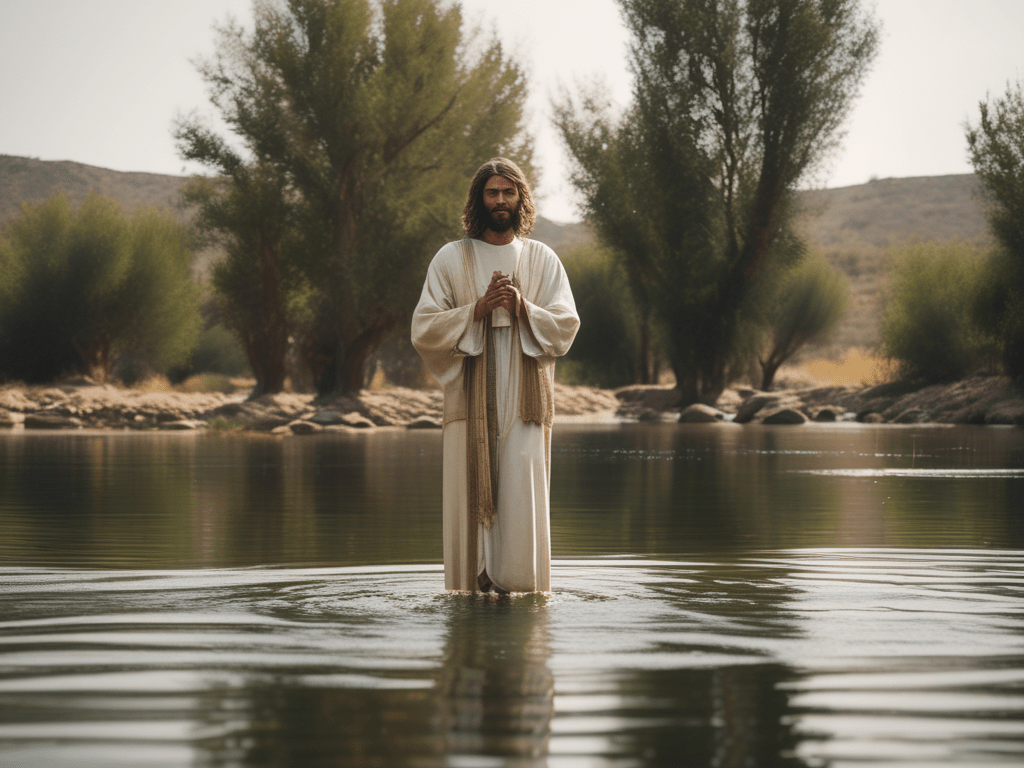
Introducción:
Estamos adentrándonos en la narración de la preparación de Jesús a su ministerio. Es muy importante que nos fijemos en los diversos escenarios en los que se desarrolla la preparación de Jesús para su ministerio. Así mismo, analicemos la importancia de este momento en la vida de Jesús, y sobre todo, la importancia de nuestro bautismo y su importancia en nuestra vida diaria de cristianos.
Galilea:
La actividad de Jesús se desarrolla en Galilea y sus alrededores incluyendo tierras paganas, después pasa por Perea y Jericó llega a Jerusalén.
Recordemos que Galilea fue muy importante en el desarrollo de la misión de Jesús. De ahí fueron sus primeros discípulos, en Galilea predicó y realizó milagros. De Galilea partió a Jerusalén donde terminó su misión.
En este contexto, Marcos narra los acontecimientos a fin de fortalecer la fe de los cristianos de Roma que enfrentan la persecución y la amenaza. Su lenguaje, el griego común (koiné, lengua griega común), es discreto y eficaz. Utiliza los números, “en seguida”, “nuevamente”, “y”. Presenta a Jesús directamente y sin rodeos.
Para la meditación de este pasaje y siguientes, utilizaré de nuevo el sistema de VER, JUZGAR, ACTUAR. Además, e iré añadiendo comentarios de personajes y escritores importantes de la Iglesia como el monje Venerable Beda, San Jerónimo, San Juan Crisóstomo, San Agustín, Santo Tomás Aquino y otros.
El Bautismo de Jesús
“Y sucedió que por aquellos días vino Jesús desde Nazaret de Galilea y fue bautizado por Juan en el Jordán. En cuanto salió del agua vio que los cielos se rasgaban y que el Espíritu, en forma de paloma, bajaba a él. Y se oyó una voz que venía de los cielos: «Tú eres mi Hijo amado, en ti me complazco.» (Biblia de Jerusalén, Marcos 1, 9-11)
Ver:
De nuevo haremos una relectura y trataremos de ser espectadores de primera fila a este acontecimiento tan especial. Jesús baja de Nazaret, una población situada en un valle de las montañas bajas entre Caná y Naín, con una situación geográfica importante ya que se encontraba a medio camino entre el Mediterráneo y el mar de Galilea. [Fuente](https://buscandoajesus.wordpress.com/articulos/como-fue-nazaret-en-tiempos-de-jesus/)
El Río Jordán:
El río Jordán desempeñó un papel significativo en la vida de los judíos durante la época de Jesús. Originado en el Monte Hermón y desembocando en el Mar Muerto, este río era la principal fuente de agua dulce en la región y se menciona con frecuencia en el Antiguo Testamento.
En la historia bíblica, el río Jordán fue el punto de entrada de los israelitas a la Tierra Prometida, marcando un momento crucial en la narrativa de la liberación y la promesa divina. Además, este río tuvo un papel importante en las vidas de profetas como Elías y Eliseo, quienes realizaron actos milagrosos en sus aguas, simbolizando la presencia y el poder de Dios en la historia del pueblo judío.
En el Nuevo Testamento, el río Jordán conserva su importancia espiritual al ser el lugar donde Juan el Bautista predicaba y bautizaba a aquellos que buscaban arrepentimiento y renovación espiritual. Para Jesús, el acto de ser bautizado en el río Jordán representó un momento crucial de preparación para su ministerio público, simbolizando su identificación con la humanidad y su compromiso con la voluntad divina.
Punto de Partida en la Vida Pública de Jesús
Ahora bien, Jesús llega al río Jordán como una persona desconocida y no relacionada con los grupos religiosos de su tiempo: sacerdotes, fariseos, saduceos. Además, está a punto de dar un paso importante en su vida dejando la tierra en donde creció y tenía amistades a un mundo diverso y adverso a los advenedizos. Marcos es escueto en su narración, pero, no deja pasar datos muy importantes para Jesús al iniciar su misión.
Muchas veces en nuestras comunidades sucede lo mismo. Llegas a una nueva comunidad parroquial con muchos deseos de participar y colaborar en la pastoral y te encuentras con personas que por su antigüedad ven en ti un rival y no permiten que te integres. Lo correcto sería conocer los dones y capacidades de los nuevos integrantes y animarlos, apoyarlos y si es necesario prepararlos para que puedan aportar y desarrollar sus dones al máximo.
Juzgar:
Los Padres de la Iglesia desglosan este párrafo de una manera muy peculiar: San Jerónimo inicia su hermenéutica comparando la expresión de Marcos (“y sucedió”) a una abeja gustosa en medio de un prado lleno de flores. Continúa dejando ver en la acción del Espíritu Santo ungiendo a Jesús descendiendo sobre él. Además, hace alusión a los efectos del bautismo de la Iglesia en donde somos ungidos por el Espíritu Santo y somos declarados hijos amados del Padre. (Comentarios al Evangelio de San Marcos, Santo Tomás de Aquino, Ivory Falls Books, p. 12)
En lo humano, podemos comparar esta complacencia del Padre en Jesús, como una necesidad humana que le llenará de fuerza y energía para soportar las persecuciones y rechazos que finalizarán con su pasión y muerte. Todos nosotros como seres humanos, necesitamos del apoyo de nuestros padres a lo largo de nuestra vida, sobre todo en los momentos difíciles que se nos presentan.
Importancia del Apoyo Humano en Nuestras Vidas
Este apoyo es de gran importancia y puede ser el factor que nos lleve al éxito o al fracaso. También es muy necesario sobre todo cuando lo que el hijo desea puede ser diferente a los planes de los padres.
Como bautizados y ungidos como sacerdotes, profetas y reyes, debemos sentirnos orgullosos tanto de pertenecer al Cuerpo Místico de Cristo, como ser hijos del Eterno Padre. Desgraciadamente, la mayoría de los bautizados no son conscientes de tal dignidad y muchas veces se sienten avergonzados de pertenecer a la Iglesia o por lo menos se muestran indiferentes.
Actuar:
Para hacer nuestro este pasaje, debemos apropiarnos de las palabras “Este es mi hijo/hija muy amada”. Es decir, por el bautismo somos injertados en el cuerpo místico de Cristo y nos identificamos con Cristo. Por lo tanto, el Padre es nuestro Padre y lo repetimos constantemente en la oración del Padre Nuestro.
Si creemos que Dios es nuestro Padre, es nuestra obligación filial vivir nuestra vida y actuar en cada momento como “hijos amados del Padre”. Y de la misma manera que deseamos complacer los deseos de nuestros padres naturales cuando los amamos de verdad, así debería ser nuestro deseo diario, el complacer a nuestro Padre Celestial cumpliendo los mandamientos y sobre todo lo que Jesús vino a enseñarnos, “amar a nuestro prójimo como a nosotros mismos”.
Para ello, podemos iniciar nuestro cambio:
1. Orando diariamente al Padre, para que nos conceda experimentar su amor y su apoyo. Recordemos que la oración personal es el mejor medio de comunicación con Dios después de los Sacramentos, especialmente la Eucaristía.
2. Mostrar interés por tus hijos, nietos, familiares buscando la manera de apoyarlos en sus deseos, ilusiones y descubriendo sus virtudes, habilidades, debilidades. Tu “Iglesia Doméstica” es importante y al interesarte por sus miembros, no necesitas predicar con las palabras porque lo estás haciendo con las obras.
3. Estar atentos a las necesidades de los demás y escucharlos y tratarlos como a verdaderos hijos de Dios sin importar su raza, religión, inclinaciones políticas y sociales.
Reflexiones Finales:
¿Crees realmente que Dios es tu Padre y te ama incondicionalmente?
¿Hay algo que hubieras deseado hacer y no te lo permitieron?
¿Tienes algún hijo, hija, nieto, nieta, sobrino, sobrina, ahijado o ahijada que necesita tu ayuda y apoyo emocional?
¿Les das una muestra de amor físico como un beso o abrazo a tus hijos?
Espero que esta reflexión te haya ayudado y me gustaría que me lo comunicaras y compartieras este escrito con alguna persona. Agradeceré grandemente tus comentarios.
Que Dios nos bendiga a todos.
Fuentes del Artículo:
– Catena Aurea, Comentarios al Evangelio, San Marcos, Santo Tomás de Aquino, Ivory Falls Books, 2016
– Biblia de Jerusalén, Editorial Desclée, 1992
One-TimeMonthlyYearlyMake a one-time donation
Make a monthly donation
Make a yearly donation
Choose an amount
MX$5.00MX$15.00MX$100.00MX$5.00MX$15.00MX$100.00MX$5.00MX$15.00MX$100.00Or enter a custom amount
MX$
Your contribution is appreciated.
Your contribution is appreciated.
Your contribution is appreciated.
-
The Gospel of Wonders: An Interview with Mark Revealing the Secrets of Mark’s Gospel
Introduction:
Previously, we meditated on the passage from the Gospel with which the Evangelist Saint Mark presents his Gospel. Though not as extensive as that of Saint Matthew, Mark´s Gospel does not lack that extraordinary touch of his experience with the missionaries Saint Paul, Saint Barnabas, and above all, Saint Peter. All this richness of the “sayings and deeds of Jesus” has earned him the title of the “Gospel of Wonders”. . https://www.vaticannews.va/es/santos/04/25/s–marcos–evangelista.html
To present his writings, we will conduct a fictional interview with Mark, where he will talk about his person and explain his intentions, plan, theology, and the circumstances in which he wrote his Gospel.
Interview:
Reporter (R): “Good morning, Mark. Thank you for agreeing to explain everything related to your writings.”
John Mark (JM): “I am glad to explain what led me to write about Jesus.”
R: “Could you tell us a bit about yourself and how you got involved in this new religious movement of your time””
JM: “My name is John Mark. John is my Jewish name and Mark is a very unusual Roman name, but as I am from Jerusalem, a metropolitan city, it was very convenient for my missionary life. The name of my mother is Mary (Acts 12:12) and she has a large house where many followers of Jesus gather. This allowed me to be in contact with Jesus from a young age and later with the Apostle Peter, who frequented my house.” (Acts 12:12)
R: “How did you come to know Paul?”
JM: “My cousin Barnabas (Colossians 4:10, Pilgrim Bible) introduced me to Paul with the Apostles, and then they invited me to accompany them on their first missionary journey. At first, I was excited. Imagine, being a missionary of the new Christian community that was already spreading throughout the empire, what a great opportunity! But I think, truly, I was not yet prepared for the difficulties of the journey, and I returned to Jerusalem.” (Acts 13:13, Pilgrim Bible)
R: “Did you have contact with Paul again?”
JM: “Yes, we met on several occasions, and eventually, we regained our friendship. We became so close that Paul called me his assistant.” (Philemon 1:24, The Latin American Bible)
R: “What can you tell us about your experience with Peter?”
JM: “Peter trusted me, and his closeness taught me and deepened my knowledge of Jesus. Peter introduced me as ´his son´(1 Peter 3:13), and of course, his preaching about Jesús is what I wanted to capture in my writings.”
R: “Could you explain the doctrine of your Gospel?”
JM: ¨First of all, I want to present Jesus as the Messiah, the Son of God. That is why my Gospel begins with the narration of the Jordan River. Additionally, in my Gospel, the MESSIANIC SECRET is glimpsed. This secret is revealed through his passion, death, and resurrection.”
R: “How would you describe Jesus?”
JM: “I want to point out that Jesus is a Messiah more powerful that Moses and the prophets. Additionally, he demonstrates his power through miracles and exorcisms, which are an eschatological manifestation of the spiritual order.”
R: “Why do you present Jesus as the Son of God?”
JM: The reality of Jesus is demonstrated by his power to forgive sins, his authority over the Sabbath, and the exorcisms through which he expels demons.”
R: “What role do miracles play in your narrative?”
JM: “I chose eighteen miraculous and very significant miracles. These give a guarantee and a special seal to my narrative. Three of them are narrated in the first chapter as a preparation for the message. Furthermore, in chapter 2, I reaffirm Jesus as the Son of God by presenting him forgiving sins, and attribute that belongs only to God.”
“In chapter 3, Jesus is the Lord of the Sabbath, and in chapter 4, Jesus is the man who needs rest, and so on. All this constitutes what is called THE THEOLOGY OF THE MIRACLES.” (the study of the divine nature and its attributes)
R: “Does the Gospel follow a plan or is it simply a compilation of apostolic preaching?”
JM: “In reality, it has been structure in a systematic way since it has been divided into five parts that cover the life of Jesus from his preparation for the ministry to his passion, death, and resurrection.”
R: “How would you summarize your work?”
JM: “The theology of these writings is summarized in the presentation of Jesus as the Son of God and Messiah through the Messianic Secret, by which Jesus is recognized as the Messiah only after his resurrection. Jesus as the Son of God is powerful as he performs actions that only belong to God.”
“Likewise, he is the Son of Man, and this is demonstrated through his sufferings, humility, rejection, which ends in suffering for the establishment of the Kingdom of God.”
R. “Thank you, John Mark, for your teachings. I believe that from now on, we will be able to understand much better everything you narrate in your Gospel”
Final Reflections:
- Do you think the content of this Gospel has been relevant for generations of Christians?
- Can you remember a passage from this Gospel that has enlightened you?
- Do you think that in the times of social confusion in which we live, this Gospel remains relevant?
- Have the Sunday readings from this Gospel taught you something new for your life?
Proposal for the Week:
I suggest you read a daily passage from the Gospel according to Mark, pause in the reading, and apply a teaching received in the reading to you life. This practice will allow you to delve into the wisdom and message of Jesus and find practical applications for your daily life.
Sources of the Interview:
- Commentary on the Gospel of Mark, Juan Mateo, SJ. Center for Theological Reflection, 1990
- The News according to Saint Mark, Luis Mosconi, Dabar Editions, 1993
One-TimeMonthlyYearlyMake a one-time donation
Make a monthly donation
Make a yearly donation
Choose an amount
MX$5.00MX$15.00MX$100.00MX$5.00MX$15.00MX$100.00MX$5.00MX$15.00MX$100.00Or enter a custom amount
MX$
Your contribution is appreciated.
Your contribution is appreciated.
Your contribution is appreciated.
-
Evangelio de Marcos: Entrevista Ficticia con Juan Marcos

Introducción
Anteriormente meditamos sobre el pasaje del Evangelio con el cual el Evangelista San Marcos nos presenta su Evangelio. Aunque no tan extenso como el de San Mateo, El Evangelio de Marcos no carece de ese toque extraordinario de su experiencia junto a los misioneros San Pablo, San Bernabé y, sobre todo, San Pedro. Toda esta riqueza de los “dichos y hechos de Jesús” le han valido el título de “Evangelio de las Maravillas. https://www.vaticannews.va/es/santos/04/25/s–marcos–evangelista.html
Para presentar sus escritos, vamos a realizar una entrevista ficticia con Juan Marcos, donde nos hablará sobre su persona y nos explicará su intención, plan, teología y las circunstancias en las que escribió su Evangelio.
Entrevista
Reportero (R): “Buenos días, Marcos. Gracias por acceder a explicarnos todo lo relacionado con tus escritos”.
Juan Marcos (JM): “Me alegra poder explicar lo que me llevó a escribir sobre Jesús”.
R: “¿Podrías contarnos un poco sobre tu persona y cómo te involucraste en este nuevo movimiento de tu tiempo””
JM: “Mi nombre es Juan Marcos. Juan es mi nombre judío y Marcos es un nombre romano poco común, pero como soy oriundo de Jerusalén, una ciudad metropolitana, resultó conveniente para mi vida misionera. Mi madre se llama María (Hechos 12,12) y tiene una casa grande donde se reúnen muchos seguidores de Jesús. Esto me permitió estar en contacto con Jesús desde una temprana edad y más tarde con el Apóstol Pedro, quien frecuentaba mucho mi casa”.
R: “¿Cómo llegaste a conocer a Pablo?”
JM: “Mi primo Bernabé (Colosenses 4,10, Biblia del Peregrino) me presentó a Pablo junto a los Apóstoles, y luego me invitaron a acompañarlos en su primer viaje misionero. Al principio, me entusiasmó la idea de ser misionero de la nueva comunidad cristiana que ya se estaba extendiendo por el imperio. Sin embargo, pronto me di cuenta de que no estaba completamente preparado para las dificultades del viaje y decidí regresar a Jerusalén”. (Hechos 13,13, Biblia del Peregrino)
“Pablo se sintió decepcionado, y en el siguiente viaje no quiso que me uniera a ellos, A pesar de esto, mi primo Bernabé insistió y, lamentablemente causó un desacuerdo entre Pablo y Bernabé. Pablo partió con Silas, por un lado, mientras que yo acompañé a Bernabé a Chipre (Hechos 15, 39-40, Biblia del Peregrino). Esta experiencia fue fundamental y me preparó para futuros viajes como acompañante de Pedro (1 Pedro 5,13, Biblia del Peregrino).”
R. “¿Mantuviste contacto con Pablo más adelante?”
JM: “Sí, nos encontramos en varias ocasiones y finalmente recuperamos nuestra amistad. Llegamos a tener una relación tan estrecha que Pablo me llamaba su ayudante (Filemón 1,24, La Biblia Latinoamericana)”.
R: ¿Qué nos puedes contar sobre tu experiencia con Pedro?”
JM: “Pedro confió en mí y su cercanía me permitió profundizar en mi conocimiento de Jesús. Pedro me consideraba como ´su hijo´ (1 Pedro 5,13), y su enseñanza sobre Jesús fue lo que inspiró mis escritos”.
R. “¿Podrías explicar la doctrina de tu Evangelio?”
JM: “En primer lugar, mi objetivo es presentar a Jesús como el Mesías, el Hijo de Dios. Por esta razón, mi Evangelio comienza con la narración del bautismo en el río Jordán. Además, a lo largo de mi Evangelio, se revela el SECRETO MESIÁNICO, el cual se va develando a través de su pasión, muerte y resurrección”.
R: “Cómo describes a Jesús?”
JM: “Es importante destacar que Jesús es un Mesías más poderoso que Moisés y los profetas. Su poder se manifiesta a través de milagros y exorcismos, los cuales representan una manifestación escatológica de orden espiritual”.
R: ¿Por qué presentas a Jesús como Hijo de Dios e Hijo del Hombre?”
JM: “La realidad de Jesús se evidencia en su capacidad para perdonar pecados, su autoridad sobre el sábado y su habilidad para expulsar demonios. Además, Jesús es un obrero de Nazaret, con parientes que no lo comprenden, lo que resulta en que no realice milagros en su propia tierra”.
“También experimenta rechazo, humillación sufrimiento, contradicción y aparente fracaso, siendo de origen humilde. En resumen, Jesús es verdaderamente un hombre de su tiempo”.
R: “¿Qué papel desempeñan los milagros en tu narración?”
JM: “He seleccionado dieciocho milagros extraordinarios y significativos que otorgan una garantía y un sello especial a mi relato. Tres de ellos son narrados en el primer capítulo como una preparación para el mensaje inicial. En el capítulo 2, presento a Jesús como Hijo de Dios al mostrar su capacidad para perdonar pecados, un atributo exclusivo de Dios.”
“En el capítulo 3, Jesús se presenta como el Señor del sábado, y en el capítulo 4, como el hombre que también necesita descanso.. Todo esto conforma lo que se conoce como la TEOLOGÍA DE LOS MILAGROS, que estudia la naturaleza divina y sus atributos”.
R: “¿Sigue el Evangelio un plan o es simplemente una recopilación de la predicación apostólica?”
JM: “En realidad, El Evangelio está estructurado de manera sistemática, dividido en cinco partes que abarcan la vida de Jesús desde su preparación para el ministerio hasta su pasión, muerte y resurrección”.
Conclusión:
R: “¿Cómo podrías sintetizar tu obra?”
JM: “La teología de mis escritos se resume en la presentación de Jesús como Hijo de Dios y Mesías a través del Secreto Mesiánico, por el cual Jesús es reconocido como el Mesías sólo después de su resurrección”.
“Así mismo, Jesús, como Hijo de Dios, manifiesta un poder que solo corresponde a Dios al realizar acciones divinas. Además, como Hijo de Hombre, sufre, es humilde y experimenta rechazo, lo que culmina en su sufrimiento para establecer el Reino de Dios”.
R: “Gracias, Juan Marcos, por compartir tus enseñanzas. Creo que ahora podremos comprender mejor todo lo que relatas en tu Evangelio”.
Reflexiones Finales:
- ¿Crees que el contenido de este Evangelio ha sido relevante paras las generaciones de cristianos?
- ¿Podrías recordar algún pasaje de Este Evangelio que te haya dado luz?
- ¿Crees que en los tiempos de confusión social en los que vivimos, este Evangelio sigue siendo relevante?”
- ¿Las lecturas dominicales de este Evangelio te han enseñado algo nuevo para tu vida?
Propuesta para la Semana:
Te propongo leer un pasaje diario del Evangelio según san Marcos, detenerte en la lectura y aplicar a tu vida una enseñanza recibida en la lectura. Esta práctica te permitirá profundizar en la sabiduría del mensaje de Jesús, y encontrar aplicaciones para tu vida diaria.
Fuentes de la Entrevista:
- Comentario al Evangelio de Marcos, Juan Mateo, SJ. Centro de Reflexión Teológica, 1990
- La Noticia según San Marcos, Luis Mosconi, Ediciones Dabar, 1993
One-TimeMonthlyYearlyMake a one-time donation
Make a monthly donation
Make a yearly donation
Choose an amount
MX$5.00MX$15.00MX$100.00MX$5.00MX$15.00MX$100.00MX$5.00MX$15.00MX$100.00Or enter a custom amount
MX$
Your contribution is appreciated.
Your contribution is appreciated.
Your contribution is appreciated.
-
Devotion to Saints: Understanding Holiness in Religious Practices

The theme of holiness has always been of great importance to me. Since my childhood, I have been fascinated by the stories of the saints and immersed myself in reading about their lives, struggles, and achievements.
In my home, we had a small library where one day I discovered an encyclopedia that included the classics such as the Iliad, the Odyssey, the Divine Comedy, and biographies of famous figures, including several books about saints like Saint Rose of Lima, Saint Teresa of Jesus, and others. My excitement was such that I used to imagine that some day I could be like them.
During my adolescence, the Second Vatican Council, an event that some Catholics label as “heretical” (although I believe they did not experience its transition), in the Constitution Lumen Gentium (Dogmatic Constitution of the Church), reminded us in Chapter V (Universal Call to Holiness) that we are all called to holiness, regardless of our marital or religious status.
Writer´s Intent
I have started this work of spiritual and biblical reflection with the Gospel of Saint Mark. My goal is for it not to be sectarian but to be aimed at a broad audience, those who are tired of the morality presented by contemporary society and who long to find their way as rational human beings, with the desire to build a society based on peace, brotherhood, and the common good.
Therefore, it is necessary, before proceeding, to clarify a few points for those readers who may feel averse to the word “HOLY” due to misinterpretations by some non-Catholic denominations or by individuals who do not wish to practice a particular religion.
I do not intend to make an apologetic defense of the devotions to the saints, as I am not an expert on the subject, but I do wish to explain why I will use this word frequently, even though it may not be accepted by many.
Personally, I have heard shouting around my former parish and at the venue where the Religious Congress of the Archdiocese of Los Angeles was held, that we were heretic and condemned. Therefore, I understand that even without reading to the end, this writing may generate rejection or discomfort in the reader.
Hence, I want to make clear what this word means to me, not only because I am Catholic by birth but also by conviction.
“Biblical” Churches
It is important to highlight that there are many Christian churches self-identify as “Biblical,” meaning that they only accept beliefs that are supported by the Bible. In my search for information and research, I discovered several non-Catholic Christian denominations that practice devotion to virtuous individuals who can serve as examples for their lives.
Holiness in Monotheistic Religions
For those who rely on the Bible, I found biblical verses in the Jewish Bible (Old Testament) that speak of holiness, not only of God but also of the Jewish people.
“Now therefore, if you will indeed obey my voice and keep my covenant, you shall be my treasured possession among all peoples, for all the earth is mine; and you shall be to me a kingdom of priests and a holy nation.” (Jerusalem Bible, Exodus 19:5-6)
My favorite passage on this topic is the following found in the book of Leviticus 20:26: “You shall be holy to me; for I the Lord am holy, and have separated you from the peoples, that you should be mine.” (Jerusalem Bible)
Jews throughout history have considered Moses and the prophets as men of God. In their historical books, even in ancient society, there are writings dedicated to the role that some women played as intercessors and liberators of enemies of the Jewish people. These figures are models of virtue and holiness to be imitated as special individuals favored by the grace of God.
Muslims also revere their men of God, such as the Prophet Muhammad, who is revered as the great prophet of Allah. Both the name of Allah and that of the Prophet Muhammad are objects of deep respect, and any disrespect towards them can have serious consequences. He is considered the prototype of the perfect man.
Holiness in Christian Churches
In the New Testament (Christian Bible), there are 27 passages, mainly in the apostolic letters, that present holiness as the will of God for all Christians, not just for the Catholic Church.
Saint Paul exhorts the Thessalonians to: “May he strengthen your hearts, making them blameless and holy before our God and Father at the coming of our Lord Jesus with all his saints.” (1 Thessalonians 3:13; Jerusalem Bible)
Holiness in the Anglican Church
For example, the Anglican Church acknowledges “the grace deposited in its saints, who have been lightsw of the world in their own generation.” (Anglicanism- Wikipedia, the free encyclopedia) Additionally, in these churches, there are religious images of Christ, the Virgin Mary, and saints, as well as icons and stained glass windows. (Anglicanism-Wikipedia)
Holiness in Orthodox Churches
Regarding the Eastern Orthodox Church (under the authority of the Pope) and the Eastern Churches, whose head is the patriarch of the see where the Church is located, they have an ancestral legacy of rituals and teachings from renowned Church Fathers such as Athanasius of Alexandria, Basil the Great, Gregory Nazianzus and John Chrysostom.
These Churches, which have preserved to some extent traditional rituals and devotions, also hold a great appreciation por icons of Christ and the Virgin Mary, whom they call Theotokos, meaning “Mother of God,” the official title given to her by the Council of Ephesus in the year 431. (es.orthodoxwiki.org)
Regarding the devotion to the saints, Orthodox churches show great veneration towards them, believing they are intercessors before God and highly value their relics. (historioteca.com)
The Need for Positive Models of Virtue Today
In my opinion, it is crucial to present positive characters and heroes of faith to the new generations. We often see that young people are presented with characters sometimes flashy, as their role models. Heavy metal rock singers, athletes, figures that idealize heavy ballads, most of them with questionable morality.
These idols that young people look up to on platforms like Tik-Tok, X, and other internet sites, are the ones who dictate guidelines to follow and norms os questionable behavior. Personally, I have always considered saints as true heroes of faith and have presented them to my students in that way.
Devotion to the Virgin Mary and the Saints is Not Idolatry
It is important to clarify that devotion to the saints does not constitute idolatry. Catholic doctrine is very clear on this matter: the worship of LATRIA (adoration) is reserved exclusively for God.
To Mary, as the Mother of Jesus, the cult of HYPERDULIA or Greater Devotion is granted. As for the saints, they are given the cult of DULIA (devotion) for having triumphed, with the grace of God, over the temptations of sin by practicing heroic virtues and, in many cases, facing martyrdom.
I want to be clear that this is not a belief held by just few Catholics. I learned this from my childhood and clearly understood what this devotion entails.
Likewise, I passed on this devotion to my students during the over 30 years I taught religion classes in the schools where I worked. In other words, there is no doubt among us Catholics that the WORSHIP OF ADORATION IS RENDERED SOLELY TO GOD!
In our society today, I believe we should not overlook the veneration of the saints; on the contrary, we should present them as they truly are HEROES OF FAITH!
God bless us all.
FOR REFLECTION:
- What are the things you admire most about your parents?
- Do you have someone you admire for their righteousness and virtues?
- Who is your hero/heroine prototype?
- Do you think that current society needs individuals who are positive role models of behavior and morality?
One-TimeMonthlyYearlyMake a one-time donation
Make a monthly donation
Make a yearly donation
Choose an amount
MX$5.00MX$15.00MX$100.00MX$5.00MX$15.00MX$100.00MX$5.00MX$15.00MX$100.00Or enter a custom amount
MX$
Your contribution is appreciated.
Your contribution is appreciated.
Your contribution is appreciated.
-
Santidad universal: Un llamado a la reflexión espiritual

La Importancia de la Santidad
La temática de la santidad ha sido siempre de gran importancia para mí. Desde mi infancia, quedé fascinada por las historias de los santos y me sumergí en la lectura de sus vidas, de sus luchas y sus logros.
En mi hogar, contábamos con una pequeña biblioteca donde un día descubrí una enciclopedia que incluía los clásicos como la Ilíada, la Odisea, la Divina Comedia y biografías de personajes célebres, entre ellos, varios libros sobre santos como Santa Rosa de Lima, Santa Teresa de Jesús y otros más.Mi emoción era tal que solía imaginar que algún día podría llegar a ser como ellos.
Durante mi adolescencia, el Concilio Vaticano II, un evento que algunos católicos tildan de hereje (aunque considero que no experimentaron su transición), en la Constitución Lumen Gentium ( Constitución Dogmática de la Iglesia), nos recordó en el capítulo V (Vocación Universal a la Santidad), que todos estamos llamados a la santidad, independientemente de nuestro estado civil o religioso.
Intención del Escritor
He iniciado este trabajo de reflexión espiritual y bíblica con el Evangelio de San Marcos. Mi objetivo es que no sea sectario, sino que esté dirigido a un público amplio, aquellos que están cansados de la moralidad que nos presenta la sociedad actual y que anhelan encontrar su camino como seres humanos racionales, con el deseo de construir una sociedad basada en la paz, fraternidad y el bien común.
Es por ello necesario, antes de proseguir, aclarar unos puntos para aquellos lectores que puedan sentir rechazo a la palabra “SANTO” debido a las malas interpretaciones de algunas denominaciones no católicas o por personas que no desean practicar una religión en particular.
No pretendo hacer apologética para defender la devoción de los santos, ya que nos soy experta en el tema, pero si deseo explicar por qué utilizaré esta palabra con frecuencia, aunque pueda no ser aceptada por muchos.
Personalmente he escuchado gritar alrededor de mi antigua parroquia y en las instalaciones del lugar donde se ha llevado a cabo el Congreso de Religión de la Arquidiócesis de los Ángeles, que éramos herejes y estábamos condenados, por lo que entiendo que aún sin leer hasta el final, este escrito puede generar rechazo o malestar en el lector.
Por lo tanto, quiero dejar claro lo que esta palabra significa para mí, no sólo por ser católica por nacimiento sino también por convicción.
Iglesias “Bíblicas”
Es importante destacar que muchas iglesias cristianas se autodenominan como “bíblicas”, es decir, que solo aceptan aquellas creencias que están respaldadas por la Biblia. Al buscar información y documentarme, descubrí varias religiones no cristianas y cristianas no católicas que practican la devoción a personas de virtud que pueden servir como ejemplos para sus vidas.
Religiones no Bíblicas que Reconocen a Personas Virtuosas
Entre las religiones no cristianas como el budismo e hinduismo se encuentra una devoción muy especial a ciertas personas consideradas como encarnación de las deidades. Estas personas son modelo de virtud y tenidas en gran aprecio.
La Santidad en las Religiones Monoteístas
Para los que se apoyan en la Biblia, encontré citas bíblicas en la Biblia Judía (Antiguo Testamento) que hablan de la santidad, no sólo de Dios, sino del pueblo judío.
“Ahora, pues, seréis mi propiedad personal entre todos los pueblos, porque mía es toda la tierra, seréis para mí, un reino de sacerdotes y una nación santa”. (Biblia de Jerusalén, Éxodo 19, 5-6)
Mi pasaje favorito sobre este tema es el siguiente que se encuentra en el libro del Levítico 20, 26: “Sed, pues, santos para mí, porque yo, Yahvé, soy santo, y os he separado de entre los pueblos, para que seáis míos”. (Biblia de Jerusalén)
Los judíos de todos los tiempos han considerado a Moisés y a los profetas como a hombres de Dios. En sus libros históricos, incluso en la sociedad antigua, hay libros dedicados al papel que algunas mujeres tuvieron como intercesoras y libertadoras de enemigos del pueblo judío. Estos personajes son modelos de virtud y santidad a los cuales se debe imitar como a personas especiales favorecidas de la gracia de Dios.
Los musulmanes también veneran a sus hombres de Dios, como al profeta Mahoma, quien es reverenciado como el gran profeta de Alá. Tanto el nombre de Alá como el del profeta Mahoma son objeto de profundo respeto y cualquier falta de respeto hacia ellos puede tener graves consecuencias. Es considerado como el prototipo de hombre perfecto.
La Santidad en las Iglesias Cristianas
En el Nuevo Testamento (Biblia Cristiana) se encuentran 27 pasajes, principalmente en las cartas apostólicas, que presentan la santidad como la voluntad de Dios para todos los cristianos, no sólo para la Iglesia Católica.
San Pablo exhorta a los Tesalonicenses para: “que se consoliden vuestros corazones con santidad irreprochable ante Dios, nuestro Padre, en la Venida de nuestro Señor Jesucristo, con todos sus santos”. (1 Tesalonicenses 3, 13; Biblia de Jerusalén)
Santidad en la Iglesia Anglicana
Por ejemplo, la Iglesia Anglicana reconoce “la gracia depositada en sus santos, que han sido luces del mundo en su propia generación”. (Anglicanismo- Wikipedia, la enciclopedia libre) Además, en estas iglesias existen imágenes religiosas de Cristo, la Virgen María y santos, así como iconos y vitrales. (Anglicanismo Wikipedia)
Santidad en las Iglesias Ortodoxas
En cuanto a la Iglesia Católica Apostólica Ortodoxa (bajo la autoridad del Papa) y las Iglesias Orientales, cuya cabeza es el patriarca de la sede en la que está localizada la Iglesia, tienen un legado ancestral de rituales y enseñanzas de Padres de la Iglesia de gran renombre como Atanasio de Alejandría, Basilio el Grande, Gregorio Nacianceno y Juan Crisóstomo.
Estas Iglesias, que han conservado en cierto modo los rituales y devociones tradicionales, también tienen un gran aprecio por los iconos de Cristo y la Virgen María, a quien llaman Theotokos, que significa “Madre de Dios” y que fue el título oficial que le dio el Concilio de Éfeso en el año 431. (es.orthodoxwiki.org)
En lo que respecta a la devoción a los santos, las iglesias ortodoxas muestran una gran veneración hacia ellos, creyendo que son intercesores ante Dios y valoran en gran medida sus reliquias. (historioteca.com)
La Necesidad de Modelos Positivos de Virtud en la Sociedad Actual
En mi opinión, es crucial presentar personajes positivos y héroes de fe a las nuevas generaciones. Observamos que a menudo se les presenta a los jóvenes personajes, a veces muy llamativos, como sus héroes a seguir. Cantantes de Rock Metálico, deportistas, figuras que idealizan los corridos pesados, la mayoría de ellos con una moralidad cuestionable.
Estos ídolos que los jóvenes suelen mirar en plataformas como Tik-tok, X, y otros sitios de internet, son los que les dictan pautas a seguir y normas de comportamiento dudable. Personalmente, siempre he considerado a los santos como verdaderos héroes de la fe y de esa manera los presentaba a mis alumnos.
La Devoción a la Virgen y a los Santos No es Idolatría
Es importante aclarar que la devoción a los santos no constituye idolatría. La doctrina católica es muy clara al respecto: EL CULTO DE LATRÍA (ADORACIÓN) se reserva exclusivamente a Dios.
A María, como Madre de Jesús, se le otorga el culto de HIPERDULÍA o MAYOR DEVOCIÓN. En cuanto a los santos se les brinda el culto de dulía (devoción) por haber triunfado, con la gracia de Dios, sobre las tentaciones del pecado al practicar virtudes heroicas y, en muchos casos, enfrentar el martirio.
Quiero dejar claro, que esto no es una creencia de unos cuantos católicos, esto lo aprendí desde niña y entendí claramente en qué consiste esta devoción.
De igual manera, esta devoción se las transmití a mis alumnos durante los más de 30 años que di clases de religión en las escuelas que trabajé. Es decir, no hay duda en nosotros los católicos que el CULTO DE ADORACIÓN SE LE RINDE ÚNICAMENTE A DIOS.
Conclusión
En la sociedad actual, considero que no debemos pasar por alto la veneración a los santos, al contrario, debemos presentarlos como que realmente son: HÉROES DE LA FE.
Dios nos bendiga a todos.
PARA REFLEXIONAR:
¿Cuáles son las cosas que más admiras en tus padres?
¿Tienes alguna persona a la que admiras por su rectitud y sus virtudes?
¿Cuál es tu prototipo de héroe/heroína?
¿ Crees que la sociedad actual necesita personas que sean modelos positivos de comportamiento y moralidad?
One-TimeMonthlyYearlyMake a one-time donation
Make a monthly donation
Make a yearly donation
Choose an amount
MX$5.00MX$15.00MX$100.00MX$5.00MX$15.00MX$100.00MX$5.00MX$15.00MX$100.00Or enter a custom amount
MX$
Your contribution is appreciated.
Your contribution is appreciated.
Your contribution is appreciated.
-
Immerse Yourself in the Gospel of Mark: Reflection and Application in Daily Life

During the course of the liturgical year´s B cycle, we immerse ourselves in Ordinary Time, where the Sunday liturgy has guided us through the Gospel according to Saint Mark. In this stage of reflection, I invite you to delve into the depths of this Gospel, explore its teachings, and apply them practically in your daily life.
Although not a direct disciple of Jesus, Saint Mark played a crucial role by accompanying Barnabas and Paul on their first missionary journey and later by serving as an interpreter for Peter. Specifically directed to the Christian communities in Rome, this Gospel aimed to present Jesus as the Messiah and the Son of God. Written around the year 70, in a context of persecution under the reign of Nero, it offered a proposal for life radically opposed to that of the Roman Empire. Amid adversity and danger, Jesus´ followers faced crucial decisions, illuminating their lives with the sayings and deeds of the Master.
To fully grasp the theology and teachings of this Gospel, Mark introduces us to a peculiar character who plays a crucial role in the narrative: John the Baptist. Through this enigmatic figure and his philosophy, I invite you to engage in a meditation that seeks to illuminate your life with the teachings of Jesus and his message of spiritual transformation.
“The good news of Jesus Christ, the Son of God, begins. As it is written in Isaiah´s prophecy, ¨Behold, I am sending my messenger ahead to prepare the way for you.” (Mark,1, Catholic Bible Online) A voice cries out in the desert: Prepare the way for the Lord; make his path smooth (Is 40:3; Mal 3:1). John appeared in the desert baptizing and preaching a baptism of penance for the forgiveness of sins. All the people of Judea and Jerusalem came to be baptized in the Jordan River, confessing their sins. John wore a camel-skin suit, girded himself with a leather belt, and ate grasshoppers.¨”
To reflect on this passage, we will immerse ourselves in a biblical re-reading that involves translating the narrative to our current time and space, applying it to our lives here and now. We will use the pastoral method of SEE, JUDGE, ACT.
SEE: By inserting the biblical situation into our current context, we will face the task of being objective and addressing situations with seriousness and depth.
JUDGE: We illuminate our daily experiences with the light of the Gospel, questioning and reflecting on how these teachings can guide our actions and decisions.
ACT: We challenge ourselves to apply this received wisdom in our daily lives, seeking to transform our actions and attitudes in the light of faith.
Let us start imagining how a contemporary journalist would narrate the emergence of a new figure in the media.
“Today we witnessed an extraordinary event: a man dressed in a peculiar manner has appeared at the Coliseum of Santa Ursula (Mexico) proclaiming an individual of humble origin and worker as the SON OF GOD. He urges us to prepare the way to receive his message.
SEE:
In this context, we are faced with the call to confess our sins. In a world where the notion of sin seems to blur, how do we define the concept in today´s society?
Currently, the moral landscape is challenged by the acceptance of practices such as state-backed abortion, the evolution of marital structures, and the increasing influence of atheistic ideologies in governments once considered Christian. Corruption, impunity, and the lack of ethical values seem to prevail, while honesty and integrity are relegated to a secondary position in favor of personal gain.
JUDGE:
The precursor and messenger continues to shout in the Coliseum of Santa Ursula that it has begun to become empty because since there is no knowledge of sin, it is not a message that interest them. For how am I going to smooth the paths to receive the Son of God? How am I going to do penance if I have been taught that I have the right to decide what is good and what is bad for me? If we are no longer taught to control the passions, to mortify the vices, if I have been taught that I am my own God?
Why should I accept a Son of God if I am my own God? Why should I accept a baptism that will put a block that prevents me from being myself and from following my instincts and my passions? What kind of happiness will a life, without debauchery, bring me? Why should I not enjoy all that life has to offer me if I am going to die? Why should I put a limit on my carnal desires if I am not more than an entity that has the same functions as an animal?
Th enigmatic figure contrasts with the values that have been planted in us little by little with that secular education, with uncensored television programs, with unbridled music and without musical taste?
This character and his words remind us that the human being is not only a living entity, but that it is special because the ability to reason and realize the difference to other living beings. This human being who has at its feet an entire technologically advanced civilization is not a programmed machine, but differs from the other beings existing on earth because it has something special called SPIRIT (SOUL) that elevates it above everything else. Therefore, this human being can change its secular mentality and seek something more that will elevate it from the rest of the living beings.
ACT:
Therefore, we must pause a little longer before this strange man and meditate and reason, allowing this Good News to lift us above the rest of existence and give us a privileged place in creation. It is true that it comes with a price, TO CEASE BEING EARTHLY CREATURES AND ASPIRE TO THE HIGHEST!
You and I can walk above what exists and rise to the supernatural and sublime. I invite you to stop dragging ourselves through the ground and the muck and to elevate ourselves to the heights of truth and virtue.
To do this, we can initiate a change:
- Reflect Daily: Dedicate time each day to reflect on your beliefs, values, and actions, aligning them with the teachings of the Gospel.
- Practice Gratitude; Cultivate the sense of gratitude for the blessings in your life, recognizing them as gifts from a higher powers.
- Serve Others: Engage in acts of kindness and service to those in need, embodying the spirit of compassion and love taught by Jesus.
- Seek Forgiveness: Acknowledge your shortcomings and experience the mercy and grace of God.
- Pray and Meditate: Establish a regular practice of prayer and meditation to deepen your spiritual connection and seek guidance from the divine.
By taking these specific actions, we can actively work for the present moment. I invite you to follow the one who proclaims the Gospel of Mark as the SON OF GOD. Le us prepare the way to receive him by acknowledging our sins and confessing our weaknesses before the MERCIFUL GOD, who embraces us as a LOVING FATHER. His only desire is for us to ALLOW OURSELVES TO BE LOVED BY HIM!
God bless us all!
Ana María Guzmán MRS
REFLECTION:
Do you believe that the Gospel of Mark is relevant in our time?
In the environment where you live, do you think that society in general is disconnected from the spiritual?
Can you provide insights on how you address the issue of atheism in your surroundings?
One-TimeMonthlyYearlyMake a one-time donation
Make a monthly donation
Make a yearly donation
Choose an amount
MX$5.00MX$15.00MX$100.00MX$5.00MX$15.00MX$100.00MX$5.00MX$15.00MX$100.00Or enter a custom amount
MX$
Your contribution is appreciated.
Your contribution is appreciated.
Your contribution is appreciated.
-
Reflexionando con San Marcos 1, 1-8
Introducción
En el transcurso del ciclo B del año litúrgico, nos sumergimos en el Tiempo Ordinario, donde la liturgia dominical nos ha guiado a través del Evangelio según San Marcos. En esta etapa de reflexión, te invito a adentrarte en las profundidades de este Evangelio, explorar sus enseñanzas y aplicarlas de manera práctica en tu vida cotidiana.
San Marcos, aunque no fue discípulo directo de Jesús, desempeñó un papel crucial al acompañar a Bernabé y a Pablo en su primer viaje misionero y luego ser intérprete de Pedro. Dirigido especialmente a las comunidades cristianas de Roma, este Evangelio buscaba presentar a Jesús como el Mesías y el Hijo de Dios. Escrito alrededor del año 70 d.c. en un contexto de persecución bajo el reinado de Nerón, ofrece una propuesta de vida radicalmente opuesta a la del imperio romano. En medio de la adversidad y el peligro, los seguidores de Jesús se enfrentaban a decisiones cruciales, iluminando sus vidas con los dichos y hechos del Maestro.
Para comprender a fondo la teología y las enseñanzas de este Evangelio, Marcos nos introduce a un personaje peculiar que desempeña un papel crucial en la narrativa: Juan Bautista. A través de este enigmático personaje y su filosofía, te invito a sumergirte en una meditación que busca iluminar tu vida con las enseñanzas de Jesús y su mensaje de transformación espiritual.
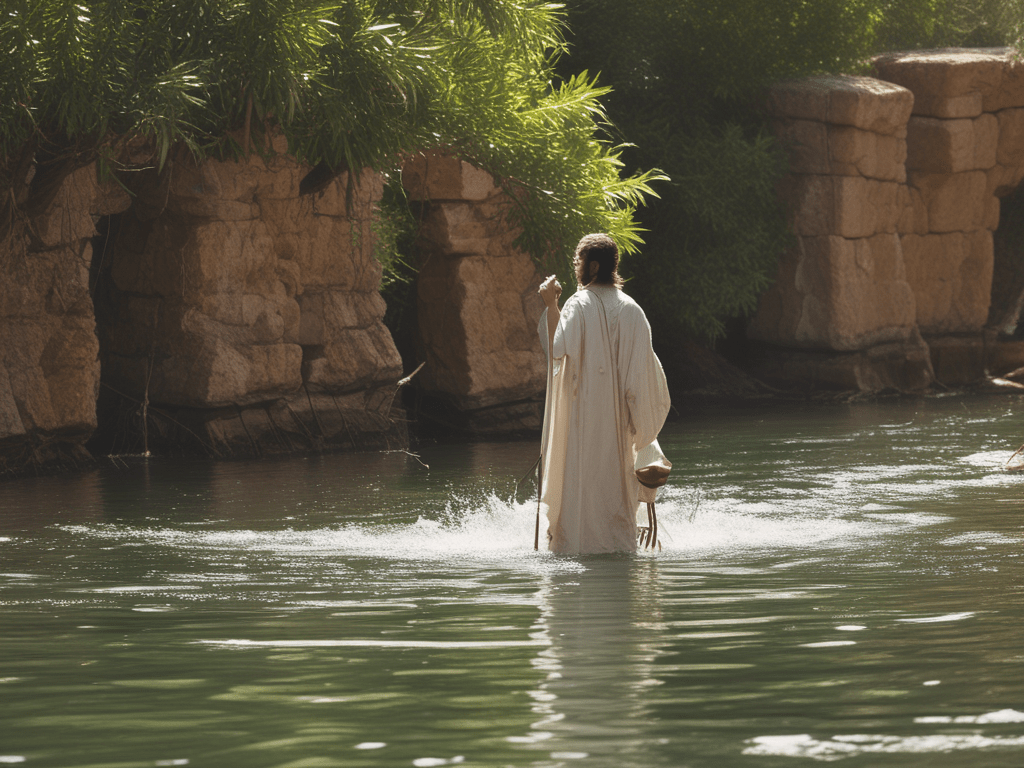
“Comienza la buena noticia de Jesucristo, Hijo de Dios. Tal como está escrito en la profecía de Isaías: Mira que envío por delante a mi mensajero para que te prepare el camino. (Marcos 1, Biblia Católica en línea) Una voz grita en el desierto: Preparar el camino al Señor, allanad los senderos (Is 40,3; Mal ), 3,1), apareció Juan en el desierto bautizando y predicando un bautismo de penitencia para el perdón de los pecados. Toda la población de Judea y de Jerusalén acudía a que los bautizase en el río Jordán, confesando sus pecados. Juan vestía un traje de piel de camello, se ceñía un cinturón de cuero y comía saltamontes”. (Biblia Católica del Peregrino)
Para reflexionar sobre este pasaje, nos sumergiremos en una relectura bíblica que implica trasladar la narrativa a nuestro tiempo y espacio actual, aplicándola a nuestras vidas aquí y ahora. Utilizaremos el método pastoral de VER, JUZGAR, ACTUAR.
VER: Al insertar la situación bíblica en nuestro contexto actual, nos enfrentaremos a la tarea de ser objetivos y abordar las situaciones con seriedad y profundidad.
JUZGAR: Iluminamos nuestras experiencias cotidianas con la luz del Evangelio cuestionando y reflexionando sobre cómo estas enseñanzas pueden guiar nuestras acciones y decisiones.
ACTUAR: Nos desafiamos a aplicar esta sabiduría recibida en nuestra vida diaria buscando transformar nuestras acciones y actitudes a la luz de la fe.
Comencemos imaginando cómo un periodista contemporáneo narraría la irrupción de una nueva figura en los medios de comunicación.
“Hoy presenciamos un suceso extraordinario: un hombre vestido de forma peculiar se ha presentado en el Coliseo de Santa Úrsula (México) proclamando a un individuo de origen humilde y trabajador como el HIJO DE DIOS. Nos invita a preparar el camino para recibir su mensaje”,
VER:
En este contexto nos enfrentamos a la llamada a confesar nuestros pecados. En un mundo donde la noción de pecado parece difuminarse, ¿cómo definimos el concepto en la sociedad actual?
En la actualidad, el panorama moral se ve desafiado por la aceptación de prácticas como el aborto respaldado por el estado laico, la evolución de las estructuras matrimoniales y la creciente influencia de ideologías de gobiernos antes considerados cristianos. La corrupción, la impunidad, y la falta de valores éticos parecen prevalecer, mientras la honestidad y la integridad son relegadas a un segundo plano en favor del beneficio personal.
JUZGAR:
El precursor y mensajero sigue gritando en el Coliseo de Santa Úrsula que se ha empezado a quedar vacío porque por la falta de conocimiento que se tiene del pecado, no es un mensaje que interese. Porque, ¿cómo voy a allanar los senderos para recibir al Hijo de Dios? ¿Cómo voy a hacer penitencia si me han enseñado que tengo derecho a decidir lo que es bueno y lo que es malo para mí? ¿Si ya no se enseña a dominar las pasiones, a mortificar los vicios, si me han enseñado que yo soy mi propio Dios?
¿Por qué debo aceptar a un Hijo de Dios si yo soy mi Dios? ¿Por qué debo aceptar un bautismo que pondrá un bloque que me impida sr yo y a seguir mis instintos y pasiones? ¿Qué clase de felicidad me traerá una vida sin orgías ni desenfreno? ¿Por qué no he de gozar de todo lo que me ofrece la vida si voy a morir? ¿Por qué he de poner límite a mis deseos carnales, a mis deseos de riqueza, a mis deseos de poder sino soy más que un ente que tiene las mismas funciones que un animal?
La figura enigmática contrasta con los valores que nos han ido plantando poco a poco con esa enseñanza laica, con los programas de televisión sin censura, con la música desenfrenada y sin gusto musical.
Este personaje y sus palabras nos recuerdan que el ser humano no es sólo un ente vivo, sino que es especial porque puede razonar y darse cuenta de que no es igual a los otros seres vivos. Este ser humano que tiene a su pies toda un civilización avanzada en lo tecnológico no es una máquina programada, sino que difiere de los demás seres existentes sobre la tierra porque tiene algo especial que se llama ESPÍRITU, (ALMA) que lo eleva por sobre todo lo demás. Por lo tanto, puede cambiar su mentalidad laica y buscar algo más que lo eleve del resto de los seres vivientes.
ACTUAR:
Por ello, debemos detenernos un poco más ante este hombre extraño y meditar y razonar, y dejar que esta Buena Noticia nos levante sobre el resto de lo que existe y nos de un lugar privilegiado en la creación. Es verdad que tiene un precio, ¡DEJAR DE SER CRIATURA TERRENAL Y ASPIRAR A LO MÁS ALTO!
Tu y yo podemos caminar sobre lo que existe y elevarnos a lo sobrenatural y sublime. Te invito a dejar de arrastrarnos por el suelo y el estiércol y a elevarnos a las alturas de la verdad y la virtud.
Para ello, podemos iniciar un cambio:
- Reflexionando diariamente: Dedica tiempo cada día para reflexionar sobre tus creencias, valores y acciones, alineándolos con las enseñanzas del Evangelio.
- Practicando la Gratitud: Cultiva un sentido de gratitud por las bendiciones en tu vida, reconociéndolas como regalos de un poder superior.
- Sirviendo a los Demás: Participa en actos de bondad y servicio hacia aquellos que lo necesitan, encarnando el espíritu de compasión y amor enseñado por Jesús.
- Buscando el Perdón: Reconoce tus fallos y busca el perdón por errores pasados, permitiéndote experimentar la misericordia y la gracia de Dios.
- Orando y Meditando: Establece una práctica regular de oración y meditación para profundizar tu conexión espiritual y buscar orientación divina.
Al tomar estas acciones específicas, puedes trabajar activamente para el HOY. Te invito a seguir a es que proclama el Evangelio de Marcos como el HIJO DE DIOS. A preparar el camino para recibirlo aceptando que hemos pecado y confesando nuestra debilidad ante el DIOS MISERICORDIOSO que nos abre los brazos como PADRE AMOROSO, a quien lo único que le importa es que NOS DEJEMOS AMAR POR ÉL.
¡Que Dios nos bendiga a todos y hasta la próxima!
PARA REFLEXIONAR:
¿Crees que en nuestro tiempo el Evangelio de Marcos es relevante?
En el ambiente en que vives, ¿consideras que la sociedad en general está alejada de lo espiritual?
¿Podrías darme ideas de cómo das respuesta a la problemática del ateísmo en tu entorno?
“
One-TimeMonthlyYearlyMake a one-time donation
Make a monthly donation
Make a yearly donation
Choose an amount
MX$5.00MX$15.00MX$100.00MX$5.00MX$15.00MX$100.00MX$5.00MX$15.00MX$100.00Or enter a custom amount
MX$
Your contribution is appreciated.
Your contribution is appreciated.
Your contribution is appreciated.
-
Hello World!
Welcome to WordPress! This is your first post. Edit or delete it to take the first step in your blogging journey.
One-TimeMonthlyYearlyMake a one-time donation
Make a monthly donation
Make a yearly donation
Choose an amount
MX$5.00MX$15.00MX$100.00MX$5.00MX$15.00MX$100.00MX$5.00MX$15.00MX$100.00Or enter a custom amount
MX$
Your contribution is appreciated.
Your contribution is appreciated.
Your contribution is appreciated.

Reflexiones Espirituales
¡Bienvenidos a mis blog de Experiencias Espirituales!
EXPLORING SPIRITUALITY: Reflections, Meditations and Practica Tips
En este espacio, compartiré mis vivencias, reflexiones y aprendizajes en el camino de la espiritualidad. A través de relatos personales, meditaciones guiadas, y consejos prácticos, espero inspirar a otros a explorar su propia conexión con lo divino y a encontrar paz y propósito en su vida diaria. La espiritualidad es un viaje único y personal, y mi objetivo es crear una comunidad donde todos podamos aprender y crecer juntos. Ya seas nuevo en este camino o tenga años de experiencia, encontrarás aquí un lugar de apoyo y descubrimiento. Mi camino ha sido largo pero de gran aprendizaje tanto en México como en Estados Unidos. Dos culturas que me han enriquecido espiritualmente y me han dado luz en mi caminar.
Gracias por acompañarme en esta aventura. Espero que mis historias y reflexiones te ayuden a profundizar tu propia práctica espiritual y a vivir una vida más plena y consciente.
Welcome to my blog about Spiritual Experiences!
In this space, I will share my experiences, reflections, and learnings on the path of spirituality. Through personal stories, guided, meditations, and practical advice, I hope to inspire others to explore their own connection with the divine and find peace and purpose in their daily lives.
Spirituality is a unique and personal journey, and my goal is to create a community where we can all learn and grow together. Whether you are new to this path or have years of experience, you will find here a place of support and discovery. My journey has been long but full of great learning, both in Mexico and the United States. Two cultures that have enriched me spiritually and have given me light in my path.
Thank you for joining me on this adventure. I hope my stories and reflections help you deepen your own spiritual practice and live a fuller, more conscious life.
Ana María
 Reflexiones Espirituales