-
Desafíos Sociales Pre-Vaticano II y la Respuesta de la Iglesia
Introducción
El Concilio Vaticano II, celebrado entre 1962 y 1965, ha sido objeto de críticas y rechazo desde su conclusión, especialmente por parte del obispo francés Marcel Lefebvre y sus seguidores. Estos grupos son fervientes defensores de las misas en latín y de los lineamientos del Concilio de Trento. Lefebvre se rebeló contra el Papa Pablo VI y fue declarado cismático en 1975, es decir, se separó formalmente de la Iglesia Católica.
Esta corriente ultraconservadora ha adoptado la forma de una “teoría de la conspiración” en ciertos sectores de obispos, sacerdotes, religiosos y laicos, que buscan imponer y revivir las resoluciones del Concilio de Trento y la misa, hoy conocida como “tridentina”, así como el uso del latín como la única forma válida de celebrar la Eucaristía.
Estas ideas han llevado a una división dentro de la Iglesia, y sus promotores han sido acusados de herejía y cisma, precisamente lo que critican de la autoridad eclesiástica actual.
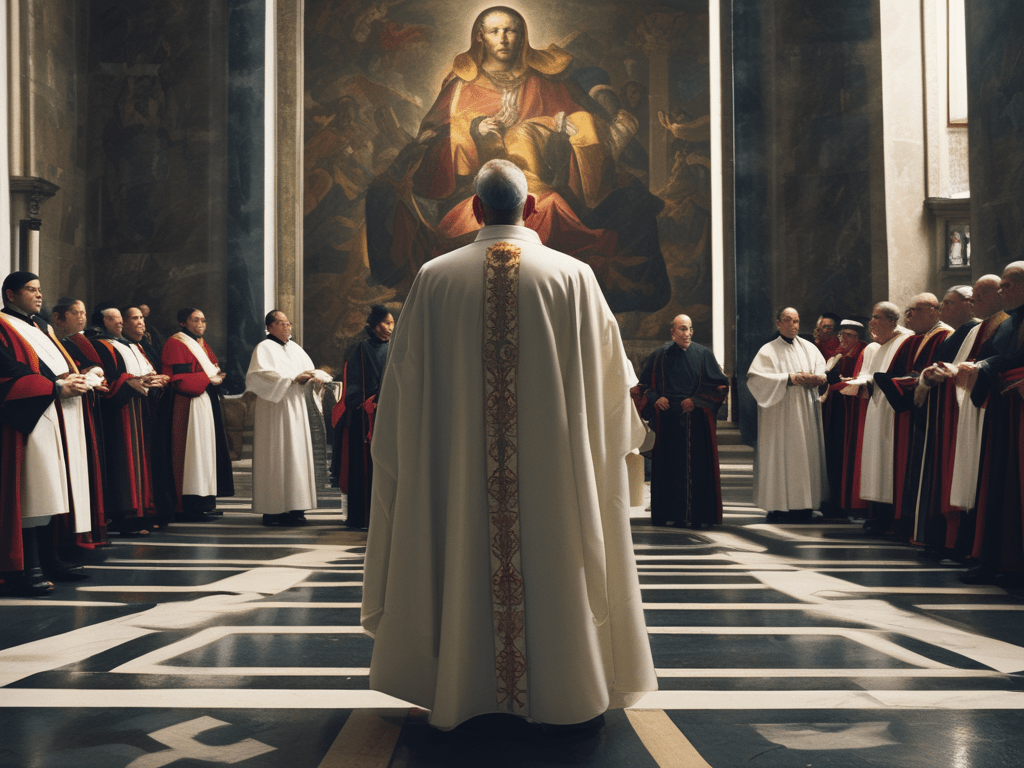
Delegación Ecuménica de Obispos y Delegados Conciliares
Los concilios son convocados por el Papa cuando es necesario definir conceptos dogmáticos, establecer normas de disciplina, modificar la organización de la Iglesia, refutar y condenar herejías, así como actualizar la comunicación de la fe católica a los fieles. Todos los obispos son convocados y tienen la obligación de asistir, a menos que exista una razón de fuerza mayor que les impida cumplir con su deber.
También son invitados los superiores de órdenes religiosas y abades, así como obispos que no tienen a su cargo una diócesis, cardenales y otros delegados, todos ellos con voto deliberativo. Además, hay participantes especiales como príncipes católicos o sus embajadores, delegados de obispos ausentes, y clérigos y laicos con diversas asignaciones. Todos los asistentes están obligados a prestar un juramento de fidelidad a la Iglesia y al Papa, conforme al juramento redactado en 1709 por el Papa Gregorio II.
El Concilio Vaticano II fue el 21.º concilio general o ecuménico celebrado en la historia de la Iglesia Católica. Se llevó a cabo durante el otoño de los años 1962, 1963, 1964 y 1965. En contraste con el Concilio de Trento, que solo tuvo 25 participantes en total y se llevó a cabo entre 1545 y 1563, al Concilio Vaticano II asistieron más de 2,500 padres conciliares, entre obispos, expertos teológicos y otros oficiales y observadores de todo el mundo. Por lo tanto, se le puede considerar un concilio verdaderamente ecuménico y universal.
Problemas Sociales Pre-Vaticano II
Los problemas sociales anteriores al Concilio Vaticano II surgieron a raíz de diversos cambios filosóficos, laborales y sociales que tuvieron lugar entre finales del siglo XIX y mediados del siglo XX. Las corrientes filosóficas como el kantismo, el marxismo, el idealismo alemán, el positivismo, el existencialismo y el feminismo, junto con las dos guerras mundiales que marcaron el inicio y la mitad del siglo XX, fueron indudablemente agentes de cambio en la sociedad moderna.
Entre los miembros de la jerarquía católica que se preocuparon por estos problemas sociales y sus consecuencias en la vida de las personas se encuentra el Papa San León XIII. En su encíclica *Rerum Novarum*, promulgada el 15 de mayo de 1891, advertía sobre los problemas sociales que enfrentaban los trabajadores y su derecho a una vida digna. Además, denunciaba las nuevas corrientes políticas y económicas individualistas que marginaban a los trabajadores.
El Cónclave que Cambió el Rostro de la Iglesia
La muerte del Beato Papa Pío XII, conocido como el Papa de la Segunda Guerra Mundial, estremeció al mundo católico de mediados del siglo XX. Tras su fallecimiento, se llevaron a cabo sus funerales y se convocó a los cardenales, que fueron un total de 53 representantes de todos los continentes, con una mayoría de 35 de Europa y 9 de América Latina. Debido a restricciones impuestas por países comunistas, dos de los cardenales electores no pudieron viajar, lo que limitó el número de participantes.
El cónclave dio inicio el 25 de octubre y concluyó el 28 de octubre con la elección del Cardenal Angelo Roncalli, Patriarca de Venecia, quien tomó el nombre de Juan XXIII. El mundo católico se llenó de júbilo al ver que el humo blanco salía de la chimenea de la Capilla Sixtina, anunciando la elección del nuevo Papa.
A una edad temprana, y gracias a las clases de Religión en mi colegio católico, pude comprender la importancia de este suceso. Años más tarde, no solo experimenté los resultados de esta elección, sino que también tuve la oportunidad de aprender de primera mano sobre la relevancia histórica, litúrgica y vivencial de una fe más accesible para las personas comunes y corrientes como yo, que no vestimos sotana ni hábitos religiosos, pero que hemos sido revestidos y consagrados por la gracia del bautismo como sacerdotes, profetas y reyes.
Sesiones y Comisiones de Estudio
A los padres conciliares se les entregaron los borradores de los documentos y se formaron las comisiones de estudio. Sin embargo, los participantes consideraron que estos borradores no abordaban adecuadamente las problemáticas del mundo moderno ni ofrecían un acercamiento efectivo a otros cristianos.
En la primera sesión, se postpuso la votación para designar a los líderes de las comisiones y se rechazaron las propuestas originales de los documentos. Se propuso, y fue aceptado, formar comités por regiones. Además, los borradores tuvieron que reescribirse de acuerdo con las aportaciones de los presentes, lo que llevó a que esta primera sesión se suspendiera a los 15 minutos de haber iniciado.
Lo que se debe tener en cuenta al leer los Documentos
Es importante prestar especial atención a las cuatro constituciones. Los documentos del Concilio están divididos en cuatro constituciones, nueve decretos y cuatro declaraciones.
Las constituciones abordan cuestiones doctrinales relacionadas con la naturaleza de la Iglesia, mientras que los decretos y declaraciones se enfocan más específicamente en áreas pastorales concretas.
Debemos evitar calificar estos documentos como cambios. El espíritu que los inspira refleja la idea del Papa Juan XXIII de “aggiornamento”, que significa poner al día, así como el concepto de “volver a las fuentes”, que representa la visión de los padres conciliares de modernizar la Iglesia volviendo a la Tradición. (A Concise Guide to the Documents of Vatican II, pp. 1-7)
La Teoría de la Conspiración sobre la Validez y Autenticidad del Concilio Vaticano II y de los Papas del Siglo XX y XXI
Estamos en una época marcada por teorías de conspiración, que, a raíz del ambiente político, han permeado también el ámbito religioso. Algunos proponentes de estas teorías han desarrollado la idea de que ciertos cardenales estadounidenses forzaron la elección del Papa Juan XXIII, argumentando que dicha elección sería ilegítima.
Hoy en día, existen corrientes ultraconservadoras que niegan y predican la invalidez del Concilio Vaticano II. En particular, rechazan sus lineamientos litúrgicos, especialmente la celebración de la Eucaristía en lengua vernácula y las diferentes versiones de las Plegarias Eucarísticas. Sin embargo, es importante señalar que las palabras de la consagración son idénticas en las cuatro versiones diferentes.
Declarar como inválido y herético el Concilio Vaticano II es ilógico y falso. Jamás la Iglesia Católica ha tenido una representación universal tan amplia como en este Concilio. En todo caso, el Concilio de Trento debería ser analizado, ya que la representación de solo 25 padres conciliares en un clero de 1200 es desproporcionada y no refleja la realidad del tiempo de la Reforma, aunque esto sería tomarlo fuera de contexto.
Otra de las razones que esgrimen estos grupos, que han sido declarados cismáticos, es que el Beato Papa Juan XXIII no era un papa ilegítimo, lo que, según su lógica, invalidaría el Concilio porque el Papa no tendría autoridad para convocarlo. Esta supuesta ilegitimidad de la elección de Juan XXIII conllevaría la ilegitimidad del Concilio Vaticano II, así como la ilegitimidad de la elección del Papa Pablo VI y de los obispos y cardenales nombrados y consagrados por dichos papas. Aún más, dado que los Papas siguientes fueron nombrados y consagrados por estos papas, se argumenta que ninguno de los Papas hasta el actual sería legítimo, lo que implicaría que sus enseñanzas y las del Concilio Vaticano II serían igualmente ilegítimas.
La Vida Litúrgica Postconciliar
Como persona que ha vivido la transición del Concilio Vaticano II, he podido experimentar tanto las Misas Pontificales como las Misas Concelebradas “modernas”. La pomposidad de las Misas Tridentinas era más expectante que participativa, y a menudo la duración de más de dos horas se debía a los cantos litúrgicos en latín, que muchas veces eran interpretados únicamente por el organista y un cantor, debido a la falta de voces educadas y privilegiadas.
Después del Concilio, las misas se volvieron más participativas, y entendemos mucho mejor las lecturas que son proclamadas en el idioma vernáculo (propio del lugar) donde se lleva a cabo la celebración. La participación de los fieles en el coro, con instrumentos más accesibles y tonadas fáciles de seguir, fomenta una participación comunitaria en la que todos formamos parte de la celebración litúrgica, dándole sentido a nuestra fe.
La participación de los laicos en la misión pastoral de la Iglesia es esperanzadora y llena de fe. Habiendo participado en Congresos Misioneros y Congresos Internacionales de Educación Religiosa, tanto en México como en Estados Unidos, he visto cómo niños, adolescentes y adultos son iniciados y formados en el trabajo apostólico. Esta experiencia ha sido muy enriquecedora. La Iglesia en movimiento alimenta, ilumina y nos entusiasma a vivir y proclamar el Evangelio en nuestra sociedad, lo que ha sido una experiencia de vida invaluable.
Los Congresos Eucarísticos locales y mundiales, los Congresos Internacionales de Jóvenes y los diversos movimientos de laicos demuestran que la Iglesia es una Iglesia viva, en movimiento, sembrando esperanza, entusiasmo y solidaridad en un mundo donde la sociedad laica va ganando terreno.
Nuestra Respuesta Personal a la Situación Actual de la Iglesia
Para apoyar y fortalecer nuestra fe y la de nuestra comunidad, debemos:
1. Orar por el Papa, obispos y sacerdotes que son tan brutalmente atacados a través de los medios de comunicación social.
2. Orar por las personas que buscan la fe a través de dichos medios de comunicación, para que no se dejen engañar y busquen aclaraciones válidas, fundamentadas en el Catecismo de la Iglesia Católica.
3. Orar por los enemigos de la Iglesia, legítimamente instituida por Jesucristo y los Apóstoles.
4. Estudiar y participar activamente en la vida de las comunidades locales.
Preguntas para la Reflexión Personal
1. ¿Cómo puedo contribuir personalmente a la unidad y fortaleza de mi comunidad de fe en tiempos de división y confusión?
2. ¿Qué pasos puedo tomar para profundizar mi comprensión del Catecismo de la Iglesia Católica y cómo puedo compartir ese conocimiento con otros?
3. ¿De qué manera puedo ser un testigo activo de la fe en mi entorno, especialmente frente a las críticas y ataques hacia la Iglesia?
4. ¿Cómo puedo fomentar un diálogo constructivo y respetuoso con aquellos que tienen opiniones diferentes sobre la Iglesia y su enseñanza?
5. ¿Qué prácticas espirituales puedo incorporar en mi vida diaria para fortalecer mi fe y la de aquellos que me rodean?
Que el Señor, quien ha prometido asistir a la Iglesia hasta el final de los tiempos, siga siendo nuestra guía, luz y fortaleza para vivir nuestra fe con fidelidad.
Fuentes del Artículo:
1. A Concise Guide to the Documents of Vatican II, St. Anthony Messenger Press, 2007
2. Catholic.net
3. Historia de la Iglesia Católica, Pedro García CMF
– Autor: Pedro García CMF
– Fuente: Parroquia del Corazón de María, San Salvador, El Salvador C. A
4. Los Concilios Ecuménicos (Especial)
– Autor: n/a
-Fuente: [www.mercaba.org](www.mercaba.org)
5. Así es el proceso de elección del papa, MELISSA SARTORE
-Autor: Melissa Sartore
– Fuente: No especificada
One-TimeMonthlyYearlyMake a one-time donation
Make a monthly donation
Make a yearly donation
Choose an amount
MX$5.00MX$15.00MX$100.00MX$5.00MX$15.00MX$100.00MX$5.00MX$15.00MX$100.00Or enter a custom amount
MX$
Your contribution is appreciated.
Your contribution is appreciated.
Your contribution is appreciated.
-
Preparing Leaders: The Legacy of Jesus and Saint John the Baptist
Mark 1:14-15
Introduction
We find ourselves on the threshold of proclaiming the Kingdom of God “HERE AND NOW.” The arrival of the Kingdom of God has manifested gradually, presenting itself as a gift that has been bestowed upon us. Considering this Good News announced by Jesus, we are left with the decision about His person. Believing in the Gospel invites us to a deep and transformative commitment.
The Kingdom of God, known in Hebrew as “MALKUTAH,” is not limited to a physical place, a specific situation, or a group of people. Rather, it is defined by the fact that God reigns in the heart of everyone.
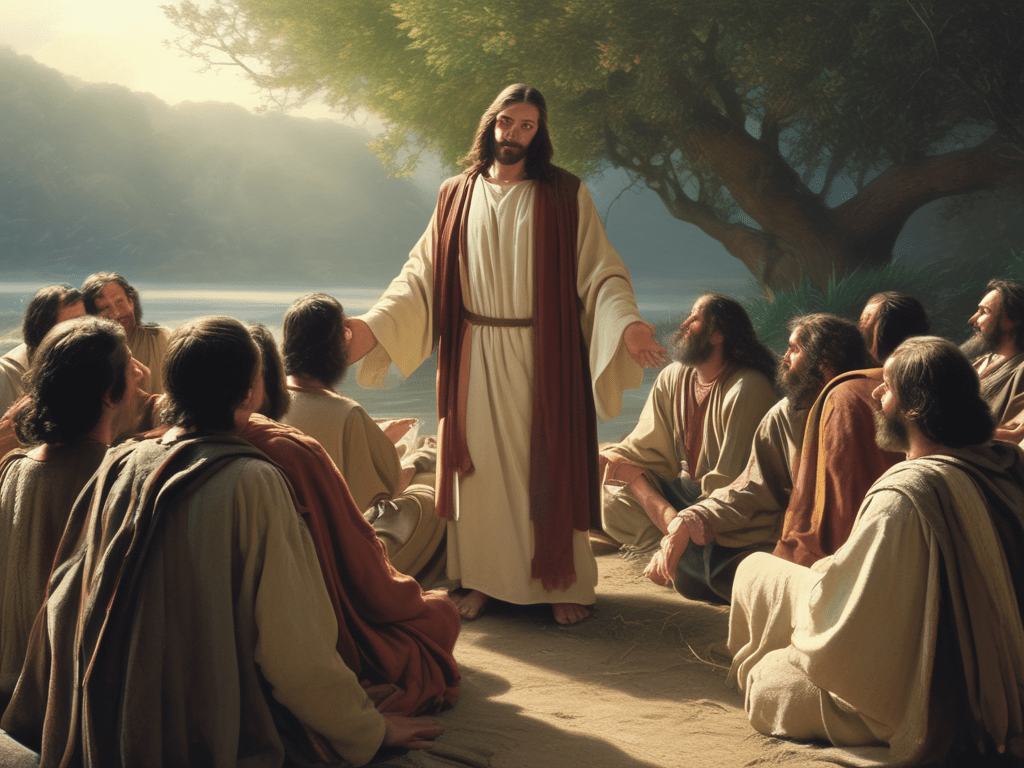
After the arrest of John, Jesus went to Galilee and began to proclaim the Good News of God. His message was clear and urgent: “The time has come; the Kingdom of God has come near. Repent and believe the Good News.”
Considerations on the Passage
When approaching this biblical passage, it is essential to consider certain contextual situations. Saint Chrysostom points out that Saint Mark follows the order established by Saint Matthew. The expression “after John was arrested” does not necessarily imply that this event occurred at once after Jesus’ retreat in the desert.
So, we can conclude that there was an interval between John’s arrest and the beginning of Jesus’ preaching. Both Saint Bede and Saint Jerome agree that Jesus begins His ministry while John continues to preach at the Jordan. But with John’s arrest, the old law is abolished, making way for the Gospel. This transition can be corroborated in the Gospel of Saint John (3:25-30), where the relationship between John’s ministry and that of Jesus is highlighted.
Judging
For those of us dedicated to evangelization, this event holds profound significance. Before Jesus began His ministry, John the Baptist was the prominent prophet of his time. But when Jesus appeared on the scene, John stepped aside to make way for the true Lamb of God.
Those of us who work in evangelization must learn to set aside our “self” (I do, I say, I am and allow Jesus to take center stage. We do not preach about ourselves; rather, we make known the Son of God. Our person, desires, and attitudes should not overshadow the message of the Gospel. While it is sometimes necessary to bear witness to the grace of God in our lives, we must always do so with the intention of glorifying God; as Saint Ignatius of Loyola said: “for the greater glory of God” (A.M.D.G.).
The Testimony of John the Baptist
The testimony of John the Baptist is not limited to his words; it is manifested in his attitude of humility and his willingness to step aside when his mission came to an end. This invites us to show our attitude as leaders and servants in evangelization. Often, we refuse to yield leadership to the new leaders that the Holy Spirit is raising up in our communities. We cling to our positions, and as a result, we hinder the development and preparation of the new blood that is emerging in our communities.
Action
Our ministry in the community—whether social, ecclesial, or familial—is not limited to leadership; rather, it focuses on teaching and preparing new generations to become leaders of change in the social and religious environments in which we work. Furthermore, it is essential to discern the right moment to return to the ranks of the faithful, bearing witness to humility, obedience, and generosity.
By doing so, we not only empower others but also embody the spirit of service that Jesus exemplified. This act of stepping back allows for the growth of new leaders, fostering an environment where the Kingdom of God can flourish through the contributions of all members of the community.
To Achieve This, We Must:
1. Read and Meditate on the Lives of the Saints:
Studying their virtues, especially humility, faith, and generosity, provides us with concrete examples to follow.
2. Invoke the Holy Spirit:
Asking for His guidance in our family, social, and community life is essential for making wise and just decisions.
3. Teach by Example
Acting in a manner consistent with our teachings has a much greater impact on new generations than merely conveying words.
4. Be Aware of the Inclinations of New Generations:
These are more action-oriented and reflective. So, we must show them that for our actions to have a positive impact, they need to be supported by prayer and the practice of virtues.
By implementing these steps, we can foster a nurturing environment that encourages the growth of future leaders who are grounded in faith and committed to making a difference in their communities.
Anecdote
Years ago, in the city of San José del Cabo, there was a religious sister who taught at the only Catholic school in the city. Aware that her stay in the place was temporary, and taking advantage of her ministry with young people, she decided to invite them to form a choir to enliven the Masses, as there was no music ministry.
The kids felt motivated and began taking singing and guitar lessons. Among them was a young man who, unbeknownst to the sister at that moment, had attempted suicide due to the difficulties he faced after suffering from polio in his childhood. His lower limbs were affected, and he needed two crutches to walk.
Every week, he was seen coming down with his backpack and guitar on his back to rehearse. The choir debuted at a Christmas Mass, and the community was very pleased with their performance. After that, they continued singing at Sunday Masses. This young man showed a remarkable talent for music and soon excelled both with the guitar and his voice.
When the time came for the sister to move on to another mission, she realized that the kids needed to continue their journey. So, she began to prepare this young man to take on the leadership of the group. Many years later, the sister had the opportunity to attend a meeting of the Diocese of La Paz, where she reunited with this young man.
During a friendly conversation, the young man, now married with children, shared how his perspective on life had changed, all thanks to the trust she had placed in him. He was now the music leader of the parish, which had grown over time, and he remained busy with his work, family, and his ministry of evangelization.
Conclusion
Our work as teachers, parents, and community leaders has a beginning and an end. Just like Saint John the Baptist, we must recognize the right moment to step back and allow new generations to continue the work of leadership and the preparation of future leaders.
Similarly, Jesus concluded His ministry of evangelization, but not before preparing the leaders who would carry out His mission to extend the Kingdom of Heaven. This legacy of formation and empowerment is essential for the growth of our communities and the continuity of faith.
By fostering an environment where new leaders can emerge, we make sure that the values and teachings we hold dear are passed on and adapted to meet the challenges of each new generation. In doing so, we contribute to a vibrant and resilient community that thrives on faith, service, and love.
Reflection
– Am I preparing my children to be positive agents of change in the community in the future?
Reflecting on the education and values we pass on to our children is fundamental. Are we teaching them the importance of empathy, generosity, and service to others? Are we providing them with the tools to become responsible leaders committed to their environment?
– As a member of today’s society, am I a positive agent of change or an obstacle to others’ progress?
It is important to evaluate our role in society. Are we supporting others in their growth and development, or are our actions and attitudes limiting their potential? Being aware of our impact on the lives of others allows us to make decisions that align more closely with the common good.
– In the religious community where I work, am I a leader who teaches by example and promotes new vocations for evangelization?
Authenticity in leadership is key. Are we living according to the values we preach? Do we foster an environment that inspires others to follow the path of faith and service? Reflecting on our role as leaders can help us be more effective in our mission of evangelization.
Invitation
We invite you to share these writings with your friends and family. Together, we can foster an enriching dialogue about evangelization and leadership in our communities. Additionally, we encourage you to subscribe to our blog to continue receiving inspiring content and resources that will help you on your faith journey and in the mission of evangelization. Let us unite in this beautiful work of spreading the message of love and hope to all!
Sources of the Article
– Catena Aurea, Comentarios al Evangelio, San Marcos, Santo Tomás de Aquino, Ivory Falls Books, 2016
– Biblia de Jerusalén, Editorial Desclée, 1992
– Comentario Al Evangelio de Marcos, Juan Mateos, S.J. Centro de Reflexión Teológica, 1990
– La Noticia de Jesús según San Marcos, Luis Mosconi, Ediciones Dabar, 1993
One-TimeMonthlyYearlyMake a one-time donation
Make a monthly donation
Make a yearly donation
Choose an amount
MX$5.00MX$15.00MX$100.00MX$5.00MX$15.00MX$100.00MX$5.00MX$15.00MX$100.00Or enter a custom amount
MX$
Your contribution is appreciated.
Your contribution is appreciated.
Your contribution is appreciated.
-
Preparando líderes: El legado de Jesús y San Juan Bautista
Marcos 1, 13-14
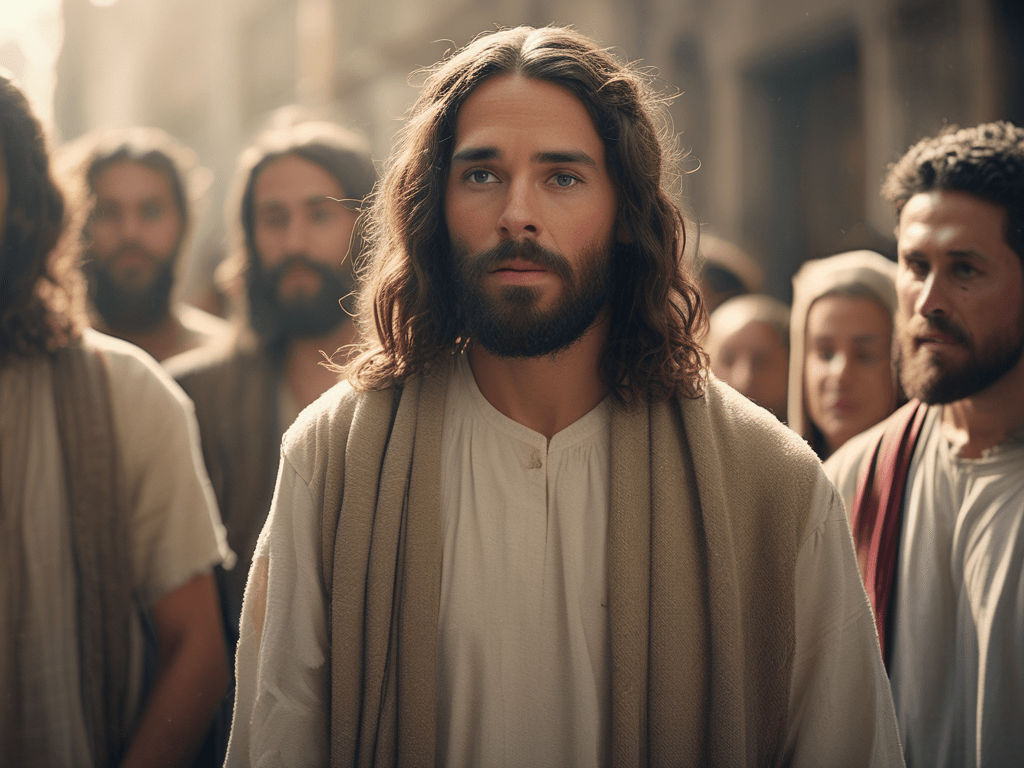
Después de que Juan fue entregado, marchó Jesús a Galilea, y proclamaba la Buena Nueva de Dios: «El tiempo se ha cumplido y el Reino de Dios está cerca; convertíos y creed en la Buena Nueva.»
Introducción
Nos encontramos en el umbral de la proclamación del Reino de Dios “AQUÍ Y AHORA”. La llegada del Reino de Dios se ha manifestado de manera gradual, presentándose como un don que nos ha sido otorgado. Ante esta Buena Noticia anunciada por Jesús, solo nos queda tomar una decisión respecto a su persona. Creer en el Evangelio nos invita a un compromiso profundo y transformador.
Ver
El Reino de Dios: Más que un Lugar
“El Reino de Dios no es un lugar, sino una relación con Dios que transforma nuestras vidas y nuestro mundo.” — Henri Nouwen
El Reino de Dios, conocido en hebreo como “MALKUTAH”, no se limita a un lugar físico, una situación específica o un grupo de personas. Más bien, se define por el hecho de que Dios reina en el corazón de cada individuo. Jesús, tras la detención de Juan, se dirigió a Galilea y comenzó a proclamar la Buena Nueva de Dios. Su mensaje era claro y urgente: “El tiempo se ha cumplido, el Reino de Dios está cerca. Renuncien a su mal camino y crean en la Buena Nueva”.
Consideraciones sobre el Pasaje
Al abordar este pasaje bíblico, es fundamental tener en cuenta ciertas situaciones contextuales. San Crisóstomo señala que San Marcos sigue el orden establecido por San Mateo. La expresión “después de que tomaron preso” no implica necesariamente que este evento ocurriera de inmediato tras el retiro de Jesús en el desierto.
La Transición del Antiguo al Nuevo Testamento
Por lo tanto, podemos concluir que existió un intervalo entre la detención de Juan y el inicio de la predicación de Jesús. Tanto San Beda como San Jerónimo coinciden en que Jesús comienza su ministerio mientras Juan continúa predicando en el Jordán. Sin embargo, con el arresto de Juan, se produce la abolición de la antigua ley, dando paso al Evangelio. Esta transición se puede corroborar en el Evangelio de San Juan (3:25-30), donde se destaca la relación entre el ministerio de Juan y el de Jesús.
Juzgar
– “La mejor forma de evangelizar es vivir el Evangelio.” — San Francisco de Asís
Para quienes nos dedicamos a la evangelización, este suceso tiene un significado profundo. Antes de que Jesús comenzara su ministerio, Juan Bautista era el profeta destacado de su tiempo. Sin embargo, al aparecer Jesús en la escena, Juan se hace a un lado para dar paso al verdadero Cordero de Dios.
La Humildad en la Evangelización
Aquellos de nosotros que trabajamos en la evangelización debemos aprender a dejar de lado nuestro “yo” (yo hago, yo digo, yo soy) y permitir que Jesús tome el protagonismo. No predicamos acerca de nosotros mismos, sino que damos a conocer al Hijo de Dios. Nuestra persona, deseos y actitudes no deben eclipsar el mensaje del Evangelio. Aunque en ocasiones es necesario dar testimonio de la gracia de Dios en nuestras vidas, siempre debemos hacerlo con la intención de glorificar a Dios; como decía San Ignacio de Loyola: “a mayor gloria de Dios” (A.M.D.G.).
El testimonio de Juan el Bautista no se limita a sus palabras, sino que se manifiesta en su actitud de humildad y en su disposición a hacerse a un lado cuando su misión llegó a su fin. Esto nos invita a reflexionar sobre nuestra actitud como líderes y servidores en la evangelización. A menudo, rehusamos ceder el liderazgo a los nuevos líderes que el Espíritu Santo está levantando en nuestras comunidades. Nos adueñamos de los puestos y, en consecuencia, obstaculizamos el desarrollo y la preparación de la nueva sangre que está surgiendo en nuestras comunidades.
La Venerable Madre Julia Navarrete (fundadora de la Congregación de las Misioneras Hijas de la Purísima Virgen María MHPVM) decía: “Todo en la vida lo juzgamos únicamente en cuanto tiene relación con nuestro yo. No sabemos el mal que nos hacemos.”
El Padre Alberto Mir S.J. (fundador de la misma congregación) explicaba la necesidad de la humildad porque “Dios sólo se comunica a las almas que de corazón, vuelven su ser de donde Dios las sacó”.
– “La humildad no es pensar menos de ti mismo, es pensar en ti mismo menos.” — C.S. Lewis
Actuar
Nuestro ministerio en la comunidad —ya sea social, eclesial o familiar— no se limita a dirigir, sino que se centra en enseñar y preparar a las nuevas generaciones para que se conviertan en líderes de cambio en los entornos sociales y religiosos en los que nos desenvolvemos. Además, es fundamental discernir el momento adecuado para regresar a las filas de los fieles, dando testimonio de humildad, obediencia y generosidad.
– “Un líder es aquel que conoce el camino, lo sigue y lo muestra a otros.” — John C. Maxwell
Pasos para un Liderazgo Efectivo
Para lograr esto, debemos:
1. Leer y meditar sobre la vida de los santos: Estudiar sus virtudes, especialmente la humildad, la fe y la generosidad, nos proporciona ejemplos concretos a seguir.
2. Invocar al Espíritu Santo: Pedir su guía en nuestra vida familiar, social y comunitaria es esencial para tomar decisiones sabias y justas.
3. Enseñar con el ejemplo: Actuar de manera coherente con nuestras enseñanzas tiene un impacto mucho mayor en las nuevas generaciones que simplemente transmitir palabras.
4. Ser conscientes de las inclinaciones de las nuevas generaciones: Estas están más orientadas hacia la acción y la reflexión. Por lo tanto, debemos mostrarles que para que nuestras acciones tengan un impacto positivo, es necesario respaldarlas con oración y la práctica de las virtudes.
– “No se trata de llenar un vacío, sino de preparar a otros para que tomen el relevo.” — Desconocido
Anécdota
Hace años, en la ciudad de San José del Cabo, había una hermana religiosa que enseñaba en el único colegio católico de la ciudad. Consciente de que su estancia en el lugar era transitoria, y aprovechando su ministerio con jóvenes, decidió invitarlos a formar un coro para animar las misas, ya que no existía un ministerio de música.
Los chicos se sintieron motivados y comenzaron a recibir clases de canto y guitarra. Entre ellos había un joven que, sin que la hermana lo supiera en ese momento, había intentado suicidarse debido a las dificultades que enfrentaba tras haber sufrido poliomielitis en su infancia. Sus dos extremidades inferiores estaban afectadas, y necesitaba dos muletas para caminar.
Cada semana, se le veía bajar con su mochila y su guitarra a la espalda para ensayar. El coro debutó en una Misa de Navidad, y la comunidad quedó muy complacida con su actuación. Después de eso, continuaron cantando en las misas dominicales. Este joven mostró una notable facilidad para la música y pronto destacó tanto con la guitarra como con su voz.
Cuando llegó el momento de que la hermana se trasladara a otra misión, se dio cuenta de que los chicos necesitaban seguir adelante. Por ello, comenzó a preparar a este joven para que asumiera el liderazgo del grupo. Muchos años después, la hermana tuvo la oportunidad de asistir a una reunión de la diócesis de La Paz, donde se reencontró con este joven.
Durante una conversación amistosa, el joven, ya casado y con hijos, le compartió cómo su perspectiva de vida había cambiado, todo gracias a la confianza que ella había depositado en él. Ahora era el líder de música de la parroquia, que había crecido con el tiempo, y se mantenía ocupado tanto en su trabajo y familia como en su ministerio de evangelización.
– “La vida cristiana es un testimonio que habla más fuerte que las palabras.” — Desconocido
Coro de Jóvenes de San José del Cabo, BCS, México, 1983

Conclusión
Nuestro trabajo como maestros, padres y líderes comunitarios tiene un principio y un fin. Al igual que San Juan Bautista, debemos reconocer el momento adecuado para retirarnos y permitir que las nuevas generaciones continúen con la labor de liderazgo y la preparación de futuros líderes. Asimismo, Jesús concluyó su ministerio de evangelización, pero no sin antes preparar a los líderes que llevarían a cabo su misión de extender el Reino de los Cielos. Este legado de formación y empoderamiento es fundamental para el crecimiento de nuestras comunidades y la continuidad de la fe.
– “La educación es el arma más poderosa que puedes usar para cambiar el mundo.” — Nelson Mandela
Reflexión
– ¿Estoy preparando a mis hijos para que, en el futuro, sean agentes de cambio positivo en la comunidad?
– Como miembro de la sociedad actual, ¿soy un agente de cambio positivo o un obstáculo para que otros progresen?
– En la comunidad religiosa en la que me desenvuelvo, ¿soy un líder que enseña con el ejemplo y promueve nuevas vocaciones para la evangelización?
Invitación
Te invitamos a compartir estos escritos con tus amigos y familiares. Juntos, podemos fomentar un diálogo enriquecedor sobre la evangelización y el liderazgo en nuestras comunidades. ¡No te quedes al margen! Comparte este artículo en tus redes sociales y únete a nosotros en esta hermosa labor de llevar el mensaje de amor y esperanza a todos. Inscríbete en nuestro blog para recibir contenido inspirador y recursos que te ayudarán en tu camino de fe y en la misión de evangelizar. ¡Tu voz puede marcar la diferencia!
Fuentes del Artículo:
– Catena Aurea, Comentarios al Evangelio, San Marcos, Santo Tomás de Aquino, Ivory Falls Books, 2016
– Biblia de Jerusalén, Editorial Desclée, 1992
– Comentario Al Evangelio de Marcos, Juan Mateos, S.J. Centro de Reflexión Teológica, 1990
– Haces de Luz en mi Senda, MHPVM, #150
– La Noticia de Jesús según San Marcos, Luis Mosconi, Ediciones Dabar, 1993
One-TimeMonthlyYearlyMake a one-time donation
Make a monthly donation
Make a yearly donation
Choose an amount
MX$5.00MX$15.00MX$100.00MX$5.00MX$15.00MX$100.00MX$5.00MX$15.00MX$100.00Or enter a custom amount
MX$
Your contribution is appreciated.
Your contribution is appreciated.
Your contribution is appreciated.
-
Councils of the Catholic Church: Uniting Faith Throughout History, Part 2
Introduction:
In the rich history of the Catholic Church, councils have played a crucial role in defining and defending the faith. In this installment, we delve into the Council of Trent, a significant milestone that has left a profound mark on the history of the Church for over five centuries. We will explore its significance, the resolutions that characterize it, and its lasting impact on the Catholic faith.
The Council of Trent: A Model of Council and Its Linguistic Implications
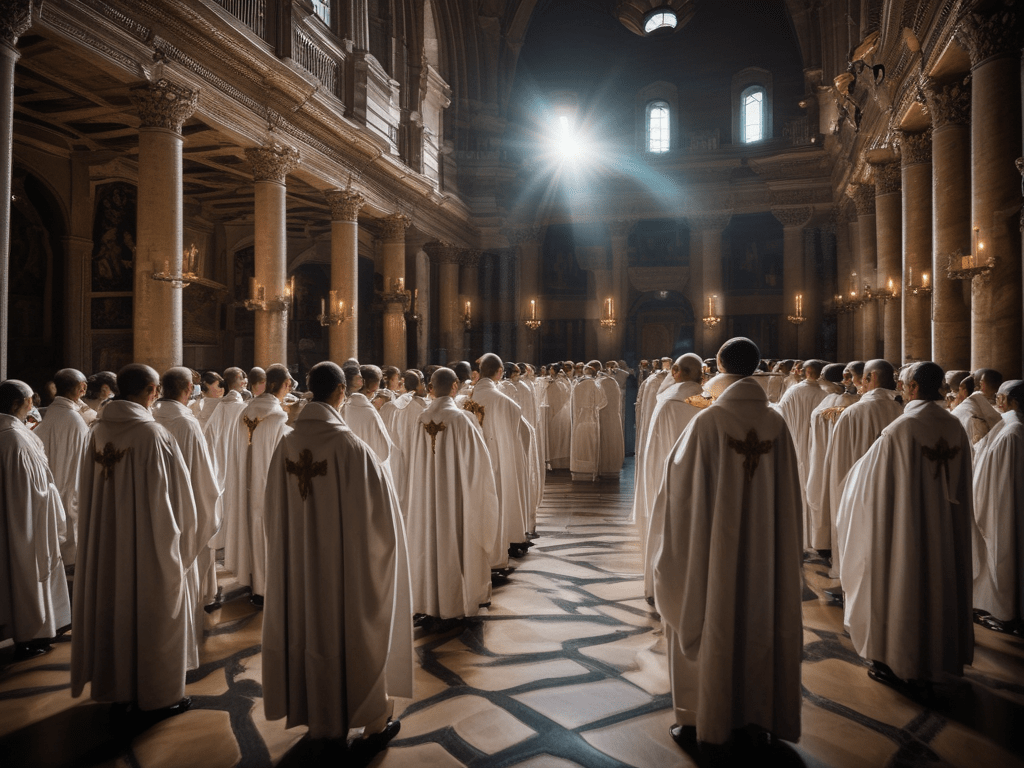
The Council of Trent, which took place between 1545 and 1563, stands as a crucial milestone in the history of the Catholic Church, particularly in response to the Protestant Reformation. Despite its prominent position as a council, its choice of Latin as the liturgical and communication language raises significant questions about linguistic diversity and the understanding of the divine message.
It is a fact that Jesus and his disciples communicated in Aramaic and Greek, not in Latin. The adoption of Latin as the official language at the Council of Trent was more influenced by its widespread use in the Western Church at the time than by theological considerations. Although Latin became the common language in medieval Europe and the predominant language in liturgy and ecclesiastical teaching, it was not exclusively ecclesiastical.
Linguistic Diversity and the Importance of the Mother Tongue
The persistence of Latin in prayers, rather than the mother tongue, as later promoted in the Second Vatican Council, raises valid questions about the accessibility and understanding of the religious message. Linguistic diversity not only reflects the richness of humanity but also is a pathway to connect more deeply with faith through the mother tongue.
It is essential to remember that the use of Latin in liturgy does not imply that God only understands this language. The multiplicity of languages is a reflection of the diversity of creation and the ability to communicate with the divine in the language of the heart. Jesus, in His universal message of love and redemption, transcends linguistic and cultural barriers, inviting everyone to approach Him with sincerity and devotion, regardless of the language they speak.
The Impact of the Council of Trent and Its Limitations
Despite the limitations about representation and linguistic diversity at the Council of Trent, its influence on the definition of dogmas, disciplines, and liturgical rules was profoundly significant. The condemnation of the Protestant Reformation and the reaffirmation of Catholic doctrine marked a turning point in the history of the Church, although they raised valid challenges and questions about inclusivity and linguistic diversity in religious practice.
The Council of Trent, despite its limitations, endures as a model of council that has shaped the identity and doctrine of the Catholic Church. It reminds us of the importance of reflection, dialogue, and adaptation to the changing needs and contexts of the Christian community throughout history. Its legacy resonates today, urging us to embrace diversity, inclusion, and constant evolution in the practice of our faith.
The Council of Trent: Was It Truly an Ecumenical Council?
The term “ecumenical council” carries the idea of a representative gathering of bishops from the entire Catholic world, convened to discuss doctrinal and disciplinary issues of importance to the whole Church. But, when examining the Council of Trent, held between 1545 and 1563, a crucial question arises about whether it can be considered truly ecumenical given its limited representation.
Despite the existence of around 1,200 Catholic bishops and 60 religious superiors during that period, the participation of only 25 members over 18 years raises serious doubts about the universality and representativeness of the council. The lack of broader representation from various regions of Catholic Christendom calls into question the legitimacy of the decisions made at Trent in the name of the entire Church.
This limitation highlights the complexities involved in defining what is an ecumenical council and invites further reflection on the inclusivity and representation necessary for such gatherings to genuinely show the voice of the universal Church.
It is important to highlight that the reduced composition of the Council of Trent contrasts significantly with the participatory and representative dynamics of the Second Vatican Council. In the latter, both the Pope and the bishops decreed the mandates and regulations in a more inclusive and diverse process. This difference underscores the importance of fair participation and the diversity of voices in decision-making that affects the entire Catholic community.
As we delve deeper into this comparison, a reflection arises on the theological implications of representativeness in ecumenical councils. How does the diversity of voices and perspectives influence the understanding and application of Catholic doctrine? To what extent the inclusion of a broader range of ecclesiastical leaders have enriched the discussions and decisions made at the Council of Trent?
Ultimately, the question of the true ecumenicity of the Council of Trent poses significant challenges about the legitimacy and representativeness of its conclusions. This reflection invites us to critically consider the importance of inclusion and diversity in conciliar processes, recognizing that the unity and authenticity of the Church largely depend on the breadth and fairness of the voices that represent it.
Conclusions of the Council of Trent
The Council of Trent, which took place between 1545 and 1563, left a significant legacy in the history of the Catholic Church and in its response to the Protestant Reformation. Some of the most notable conclusions of this council include:
1. Reaffirmation of Catholic Doctrine: The Council reaffirmed the authority of Scripture and tradition as sources of revelation, countering the Protestant doctrine of sola scriptura. This reaffirmation strengthened the doctrinal foundation of the Catholic Church and its approach to interpreting faith through apostolic tradition.
2. Doctrine of Justification: The doctrine of justification by faith and works was established, in contrast to the Lutheran teaching of justification by faith alone. This doctrine emphasized the importance of the active collaboration of the human being with divine grace in the pursuit of salvation, highlighting the necessity of a living faith manifested through works.
3. Catholic Sacraments: The Council reaffirmed the validity and importance of the Catholic sacraments, highlighting transubstantiation in the Eucharist. This teaching upholds the belief in the real transformation of the substance of bread and wine into the body and blood of Christ during the Eucharistic celebration, thereby reaffirming the centrality of the Eucharist in Catholic life and faith.
4. Ecclesiastical Discipline: The council dedicated itself to addressing matters of ecclesiastical discipline and established norms for the formation of the clergy. These measures aimed to improve the education and moral conduct of priests, thereby strengthening the integrity and effectiveness of the priestly ministry in the Church.
5. Condemnation of Protestant Heresies: Protestant heresies were condemned, and papal authority was reaffirmed as the guarantor of unity and orthodoxy in the Church. This stance reflected the determination of the Catholic Church to preserve doctrinal purity and combat interpretations considered deviant from the Christian faith.
6. Strengthening of the Inquisition: The Council of Trent strengthened the Inquisition as an instrument to combat heresy and preserve doctrinal purity within the Church. Although the Inquisition has been the topic of controversy and criticism throughout history, its strengthening during this council reflected the concern for maintaining orthodoxy and doctrinal cohesion in a context of theological and social challenges.
These conclusions of the Council of Trent illustrate the efforts of the Catholic Church to comprehensively discuss the doctrinal, disciplinary, and social challenges of its time, as well as its response to the tensions generated by the Protestant Reformation. Although some decisions made at Trent have been the topic of debate and criticism over the centuries, its legacy endures as a crucial moment in the history of the Catholic Church, marking a milestone in the definition of its identity and doctrine.
Reflection on 21st-Century Catholics and 16th-Century Directives
Today, we meet a diversity of thought within the Catholic Church, including an ultraconservative faction that advocates for the retraction of the decrees of the Second Vatican Council and a return to the directives of the Council of Trent. This debate reflects the tensions and contradictions that 21st-century Catholics face while living under the influence of guidelines established in the 16th century.
It is important to recognize that the history and tradition of the Catholic Church are rich and complex, and that conciliar decisions have shaped the course of the Catholic faith over the centuries. But living under centuries-old directives in a world and society that are constantly evolving presents challenges and dilemmas for today’s Catholic faithful.
Despite the errors and challenges that have arisen within the ecclesiastical hierarchy throughout history, many Catholics have maintained their faith in Jesus Christ and in the Church. It is essential to remember that the Catholic faith is based on the person of Christ and His message of love, mercy, and redemption, transcending human circumstances and actions.
It is crucial to find a balance between fidelity to tradition and openness to renewal and adaptation to current needs and challenges. The Catholic Church, as a body of believers, is called to be a light in the world, reflecting the truth and love of Christ amidst the complexities and contradictions of contemporary society.
In this context, it is vital to remember that the challenges and errors of the past should not lead us to despair or isolation, but rather to a greater commitment to truth, justice, and mercy. Maintaining a living and active faith in Jesus Christ and His Church involves facing the challenges of the show with courage and hope, trusting in the guidance of the Holy Spirit and in the promise of divine presence amid the difficulties and contradictions of modern life.
Contrast Between the Reality of the 21st Century and the 16th Century
The reflection on the possibility of implanting a Tridentine Church in the contemporary world raises crucial questions about the compatibility of the guidelines of the Council of Trent with the values and principles of today’s society. When considering the implications of living under Tridentine directives, it is essential to discuss fundamental issues related to gender equality, the participation of women in the Church, representativeness in conciliar decision-making, and respect for human rights.
Gender Equality and Participation of Women: Would one agree to live under guidelines that consider women inferior to men and limit their participation in meaningful roles within the Church? Gender equality and respect for the dignity of all individuals are fundamental values in contemporary society that must be reflected in ecclesiastical structures and practices.
Representativeness and Decision-Making: Would one agree to live under norms established by a council that excluded most bishops and superiors general of its time? Representativeness and inclusion are essential elements in the legitimacy of conciliar decisions, and the exclusion of diverse voices can undermine the authority and acceptance of conciliar conclusions.
Respect for Human Rights and Human Dignity: Would one agree to live under the threat of the Inquisition and persecution by ultraconservatives, who have historically resorted to violence and repression to impose their doctrinal vision? Respect for human rights, freedom of conscience, and the dignity of each person are fundamental values that must be safeguarded in any religious or social context.
In the 21st century, the Catholic Church faces the challenge of maintaining a balance between fidelity to its tradition and openness to renewal and adaptation to contemporary needs and values. The reflection on the possibility of reviving Tridentine directives in today’s world invites a deep and respectful dialogue on how to reconcile the richness of tradition with the demands for justice, equality, and dignity in modern society.
Living Faith in the 21st Century: Commitment, Prayer, and Holiness
In this 21st century in which God has allowed us to live, it is not the ideal scenario, but neither was it for the Christians of the early centuries. The distinction lies in the fact that they lived their faith amidst their circumstances, bearing fruits of faith and holiness.
So, it is imperative that we act positively in our time to fully live out our faith. We must dedicate time to deepen our understanding of the faith and actively take part in our ecclesial community. Jesus provided us with the model for spreading the Gospel: “And these signs will go with those who believe in my name they will cast out demons; they will speak in new tongues” (Mark 16:17, Jerusalem Bible).
Recommendations:
So, it is advisable to:
– Pray for unity in the diversity of our Church.
– Pray to be receptive to the inspirations of the Holy Spirit.
– Pray to learn to respect different points of view.
– Dedicate time to studying our faith and discerning between the theological and the disciplinary.
– Embrace a life of holiness seriously to counteract the evil and deviations of contemporary society.
I deeply appreciate your interest in my articles. I hope you will join this cause to collaborate in the evangelization of the people of God, strengthening our faith and sharing the light of the Gospel in a world that so desperately needs it.
Sources of the Article:
1. Los Concilios Ecuménicos (Especial)
– Autor: n/a
-Fuente: [www.mercaba.org](www.mercaba.org)
2. Así es el proceso de elección del papa, MELISSA SARTORE
-Autor: Melissa Sartore
– Fuente: No especificada
3. HISTORIA DE LA IGLESIA CATÓLICA, Pedro García Cmf
– Autor: Pedro García Cmf
– Fuente: Parroquia del Corazón de María, San Salvador, El Salvador C. A
4. Catholic.net
One-TimeMonthlyYearlyMake a one-time donation
Make a monthly donation
Make a yearly donation
Choose an amount
MX$5.00MX$15.00MX$100.00MX$5.00MX$15.00MX$100.00MX$5.00MX$15.00MX$100.00Or enter a custom amount
MX$
Your contribution is appreciated.
Your contribution is appreciated.
Your contribution is appreciated.
-
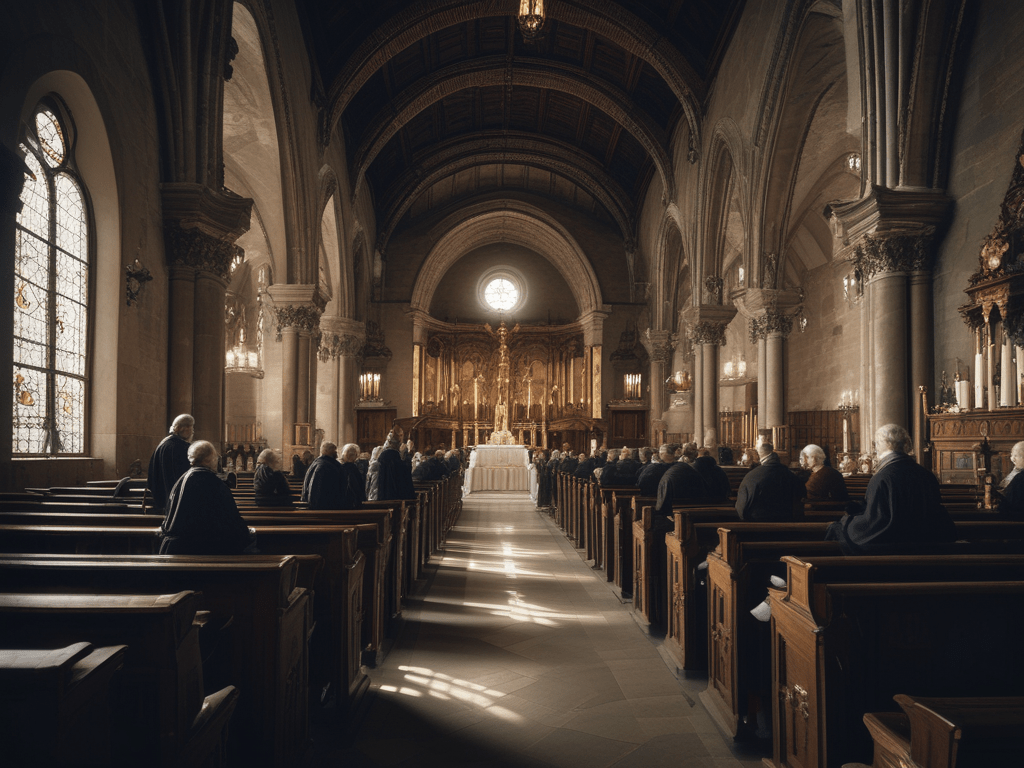
Latín en el Concilio de Trento: Implicaciones Lingüísticas y Teológicas
Uniendo la Fe a lo Largo de la Historia, Parte 2
Introducción:
En la rica historia de la Iglesia Católica, los concilios han desempeñado un papel crucial en la definición y defensa de la fe. En esta entrega, nos sumergimos en el Concilio de Trento, un hito significativo que ha dejado una profunda huella en la historia de la Iglesia durante más de cinco siglos. Exploraremos su significado, las resoluciones que lo caracterizan y su impacto perdurable en la fe católica.
El Concilio de Trento: Un Modelo de Concilio y sus Implicaciones Lingüísticas
El Concilio de Trento, que tuvo lugar entre 1545 y 1563, se erige como un hito crucial en la historia de la Iglesia Católica, especialmente en respuesta a la Reforma Protestante. A pesar de su destacada posición como concilio, su elección del latín como lengua litúrgica y de comunicación plantea cuestiones significativas sobre la diversidad lingüística y la comprensión del mensaje divino.
Es un hecho que Jesús y sus discípulos se comunicaban en arameo y griego, no en latín. La adopción del latín como lengua oficial en el Concilio de Trento podría haber estado más influenciada por su amplio uso en la Iglesia occidental de la época que por consideraciones teológicas. Aunque el latín se convirtió en el idioma común en la Europa medieval y en la lengua predominante en la liturgia y la enseñanza eclesiástica, no era exclusivamente eclesiástico.
La Diversidad Lingüística y la Importancia de la Lengua Materna
La persistencia en el uso del latín en los rezos, en lugar de la lengua materna, como se promovió posteriormente en el Concilio Vaticano II, plantea interrogantes válidos sobre la accesibilidad y la comprensión del mensaje religioso. La diversidad lingüística no solo refleja la riqueza de la humanidad, sino que también representa una vía para conectar de manera más profunda con la fe a través de la lengua materna.
Es esencial recordar que el uso del latín en la liturgia no implica que Dios solo comprenda este idioma. La multiplicidad de lenguas es un reflejo de la diversidad de la creación y la capacidad de comunicarse con lo divino en el idioma del corazón. Jesús, en su mensaje universal de amor y redención, trasciende las barreras lingüísticas y culturales, invitando a todos a acercarse a Él con sinceridad y devoción, independientemente del idioma que hablen.
El Impacto del Concilio de Trento y sus Limitaciones
A pesar de las limitaciones en cuanto a la representación y la diversidad lingüística en el Concilio de Trento, su influencia en la definición de dogmas, disciplinas y reglas litúrgicas fue profundamente significativa. La condena de la Contrarreforma Protestante y la reafirmación de la doctrina católica marcaron un punto de inflexión en la historia de la Iglesia, aunque plantearon desafíos y cuestionamientos válidos sobre la inclusividad y la diversidad lingüística en la práctica religiosa.
El Concilio de Trento, a pesar de sus limitaciones, perdura como un modelo de concilio que ha moldeado la identidad y la doctrina de la Iglesia Católica. Nos recuerda la importancia de la reflexión, el diálogo y la adaptación a las necesidades y contextos cambiantes de la comunidad cristiana a lo largo de la historia. Su legado resuena en la actualidad, instándonos a abrazar la diversidad, la inclusión y la evolución constante en la práctica de nuestra fe.
El Concilio de Trento: ¿Un Concilio Verdaderamente Ecuménico?
El término “concilio ecuménico” conlleva la idea de una reunión representativa de obispos de todo el mundo católico, convocada con el propósito de abordar cuestiones doctrinales y disciplinarias de importancia para toda la Iglesia. Sin embargo, al examinar el Concilio de Trento, celebrado entre 1545 y 1563, surge una interrogante crucial sobre si puede ser considerado verdaderamente ecuménico dada su limitada representación.
A pesar de que en ese período existían alrededor de 1200 obispos católicos y 60 superiores religiosos, la participación de tan solo 25 miembros a lo largo de 18 años plantea serias dudas sobre la universalidad y la representatividad del concilio. La falta de una representación más amplia de diversas regiones de la cristiandad católica puede cuestionar la legitimidad de las decisiones tomadas en Trento en nombre de toda la Iglesia.
Es importante destacar que la composición reducida del Concilio de Trento contrasta significativamente con la dinámica participativa y representativa del Concilio Vaticano II. En este último, tanto el Papa como los obispos en pleno decretaron los mandatos y reglamentos en un proceso más inclusivo y diverso. Esta diferencia resalta la importancia de la participación equitativa y la diversidad de voces en la toma de decisiones que afectan a toda la comunidad católica.
Al profundizar en esta comparación, surge la reflexión sobre las implicaciones teológicas de la representatividad en los concilios ecuménicos. ¿Cómo influye la diversidad de voces y perspectivas en la comprensión y aplicación de la doctrina católica? ¿En qué medida la inclusión de una gama más amplia de líderes eclesiásticos podría haber enriquecido las discusiones y decisiones tomadas en el Concilio de Trento?
En última instancia, la cuestión de la verdadera ecumenicidad del Concilio de Trento plantea desafíos significativos en cuanto a la legitimidad y la representatividad de sus conclusiones. Esta reflexión nos invita a considerar críticamente la importancia de la inclusión y la diversidad en los procesos conciliares, reconociendo que la unidad y la autenticidad de la Iglesia dependen en gran medida de la amplitud y la equidad de las voces que la representan.
Conclusiones del Concilio de Trento
El Concilio de Trento, que tuvo lugar entre 1545 y 1563, dejó un legado significativo en la historia de la Iglesia Católica y en su respuesta a la Reforma Protestante. Algunas de las conclusiones más destacadas de este concilio incluyen:
1. Reafirmación de la Doctrina Católica: El Concilio reafirmó la autoridad de las Escrituras y la tradición como fuentes de revelación, contrarrestando la doctrina protestante de la sola Escritura. Esta reafirmación fortaleció la base doctrinal de la Iglesia Católica y su enfoque en la interpretación de la fe a través de la tradición apostólica.2. Doctrina de la Justificación: Se estableció la doctrina de la justificación por la fe y las obras, en contraposición a la enseñanza luterana de la justificación solo por la fe. Esta doctrina subrayó la importancia de la colaboración activa del ser humano con la gracia divina en la búsqueda de la salvación, enfatizando la necesidad de una fe viva manifestada a través de las obras.
3. Sacramentos Católicos: El Concilio reafirmó la validez y la importancia de los sacramentos católicos, destacando la transubstanciación en la Eucaristía. Esta enseñanza sostiene la creencia en la transformación real de la sustancia del pan y el vino en el cuerpo y la sangre de Cristo durante la celebración eucarística, reafirmando así la centralidad de la Eucaristía en la vida y la fe católica.
4. Disciplina Eclesiástica: El concilio se dedicó a abordar asuntos de disciplina eclesiástica y estableció normas para la formación del clero. Estas medidas tenían como objetivo mejorar la educación y la conducta moral de los sacerdotes, fortaleciendo así la integridad y la eficacia del ministerio sacerdotal en la Iglesia.
5. Condena de Herejías Protestantes: Se condenaron las herejías protestantes y se reafirmó la autoridad papal como garante de la unidad y la ortodoxia en la Iglesia. Esta postura reflejó la determinación de la Iglesia Católica de preservar la pureza doctrinal y combatir las interpretaciones consideradas desviadas de la fe cristiana.
6. Fortalecimiento de la Inquisición: El Concilio de Trento fortaleció la Inquisición como un instrumento para combatir la herejía y preservar la pureza doctrinal dentro de la Iglesia. Si bien la Inquisición ha sido objeto de controversia y críticas a lo largo de la historia, su fortalecimiento durante este concilio reflejó la preocupación por mantener la ortodoxia y la cohesión doctrinal en un contexto de desafíos teológicos y sociales.
Estas conclusiones del Concilio de Trento ilustran los esfuerzos de la Iglesia Católica por abordar de manera integral los desafíos doctrinales, disciplinarios y sociales de su época, así como su respuesta a las tensiones generadas por la Reforma Protestante. Aunque algunas decisiones tomadas en Trento han sido objeto de debate y crítica a lo largo de los siglos, su legado perdura como un momento crucial en la historia de la Iglesia Católica, marcando un hito en la definición de su identidad y doctrina.
Reflexión sobre los Católicos del Siglo XXI y las Directrices del Siglo XVI
En la actualidad, nos encontramos con una diversidad de corrientes de pensamiento dentro de la Iglesia Católica, incluida una corriente ultraconservadora que aboga por la retractación de los decretos del Concilio Vaticano II y el retorno a las directrices del Concilio de Trento. Este debate refleja las tensiones y contradicciones que los católicos del siglo XXI enfrentan al vivir bajo la influencia de directrices establecidas en el siglo XVI.
Es importante reconocer que la historia y la tradición de la Iglesia Católica son ricas y complejas, y que las decisiones conciliares han marcado el rumbo de la fe católica a lo largo de los siglos. Sin embargo, vivir bajo directrices centenarias en un mundo y una sociedad en constante evolución plantea desafíos y dilemas para los fieles católicos de hoy.
A pesar de los errores y desafíos que han surgido en la jerarquía eclesiástica a lo largo de la historia, muchos católicos han mantenido su fe en Jesucristo y en la Iglesia. Es fundamental recordar que la fe católica se basa en la persona de Cristo y en su mensaje de amor, misericordia y redención, más allá de las circunstancias y acciones humanas.
Es crucial encontrar un equilibrio entre la fidelidad a la tradición y la apertura a la renovación y adaptación a las necesidades y desafíos actuales. La Iglesia Católica, como cuerpo de creyentes, está llamada a ser una luz en el mundo, reflejando la verdad y el amor de Cristo en medio de las complejidades y contradicciones de la sociedad contemporánea.
En este contexto, es esencial recordar que los desafíos y errores del pasado no deben llevarnos a la desesperanza o al aislamiento, sino a un mayor compromiso con la verdad, la justicia y la misericordia. Mantener una fe viva y activa en Jesucristo y en su Iglesia implica enfrentar los desafíos del presente con valentía y esperanza, confiando en la guía del Espíritu Santo y en la promesa de la presencia divina en medio de las dificultades y contradicciones de la vida moderna.
Contraste entre la Realidad del Siglo XXI y el Siglo XVI
La reflexión sobre la posibilidad de implantar una iglesia tridentina en el mundo contemporáneo plantea interrogantes cruciales sobre la compatibilidad de los lineamientos del Concilio de Trento con los valores y principios de la sociedad actual. Al considerar las implicaciones de vivir bajo directrices tridentinas, es esencial abordar cuestiones fundamentales relacionadas con la igualdad de género, la participación de las mujeres en la Iglesia, la representatividad en la toma de decisiones conciliares y el respeto a los derechos humanos.
1. Igualdad de Género y Participación de las Mujeres: ¿Estarían de acuerdo con vivir bajo lineamientos que consideran a las mujeres como inferiores al hombre y limitan su participación en roles significativos dentro de la Iglesia? La igualdad de género y el respeto a la dignidad de todas las personas son valores fundamentales en la sociedad contemporánea que deben ser reflejados en las estructuras y prácticas eclesiásticas.
2. Representatividad y Toma de Decisiones: ¿Estarían de acuerdo con vivir bajo normas establecidas por un concilio que excluyó a la mayoría de los obispos y superiores generales de su tiempo? La representatividad y la inclusión son elementos esenciales en la legitimidad de las decisiones conciliares, y la exclusión de voces diversas puede socavar la autoridad y la aceptación de las conclusiones conciliares.
3. Respeto a los Derechos Humanos y la Dignidad Humana: ¿Estarían de acuerdo con vivir bajo la amenaza de la Inquisición y la persecución por parte de los ultraconservadores, que históricamente han recurrido a la violencia y la represión para imponer su visión doctrinal? El respeto a los derechos humanos, la libertad de conciencia y la dignidad de cada persona son valores fundamentales que deben ser salvaguardados en cualquier contexto religioso o social.
En el siglo XXI, la Iglesia Católica se enfrenta al desafío de mantener un equilibrio entre la fidelidad a su tradición y la apertura a la renovación y adaptación a las necesidades y valores contemporáneos. La reflexión sobre la posibilidad de revivir directrices tridentinas en el mundo actual invita a un diálogo profundo y respetuoso sobre cómo conciliar la riqueza de la tradición con las demandas de justicia, igualdad y dignidad en la sociedad moderna.
Viviendo la Fe en el Siglo XXI: Compromiso, Oración y Santidad
En este siglo XXI en el que Dios nos ha permitido vivir, quizás no sea el escenario ideal, pero tampoco lo fue para los cristianos de los primeros siglos. La distinción radica en que ellos vivieron su fe en medio de sus circunstancias, dando frutos de fe y santidad.
Por tanto, es imperativo que actuemos de manera positiva en nuestro tiempo para vivir plenamente nuestra fe. Debemos dedicar tiempo a profundizar en nuestro conocimiento de la fe y a participar activamente en nuestra comunidad eclesial. Jesús nos brindó el modelo para la difusión del Evangelio: ‘Estas son las señales que acompañarán a los que crean: en mi nombre expulsarán demonios, hablarán lenguas nuevas’ (Marcos 16:17, Biblia de Jerusalén).
Por consiguiente, es recomendable:
– Orar por la unidad en la diversidad de nuestra Iglesia.
– Orar para ser receptivos a las inspiraciones del Espíritu Santo.
– Orar para aprender a respetar diferentes puntos de vista.
– Dedicar tiempo al estudio de nuestra fe y discernir entre lo teológico y lo disciplinario.
– Abrazar con seriedad una vida de santidad que contrarreste la maldad y desviaciones de la sociedad actual.
Agradezco profundamente tu interés en mis artículos. Espero que se unan a esta causa para colaborar en la evangelización del pueblo de Dios, fortaleciendo nuestra fe y compartiendo la luz del Evangelio en un mundo que tanto lo necesita.
1. Los Concilios Ecuménicos (Especial)
– Autor: n/a
-Fuente: [www.mercaba.org](www.mercaba.org)
2. Así es el proceso de elección del papa, MELISSA SARTORE
-Autor: Melissa Sartore
– Fuente: No especificada
3. HISTORIA DE LA IGLESIA CATÓLICA, Pedro García Cmf
– Autor: Pedro García Cmf
– Fuente: Parroquia del Corazón de María, San Salvador, El Salvador C. A
4. Catholic.net
One-TimeMonthlyYearlyMake a one-time donation
Make a monthly donation
Make a yearly donation
Choose an amount
MX$5.00MX$15.00MX$100.00MX$5.00MX$15.00MX$100.00MX$5.00MX$15.00MX$100.00Or enter a custom amount
MX$
Your contribution is appreciated.
Your contribution is appreciated.
Your contribution is appreciated.
-
The Importance of Sacrifice and Spiritual Preparation in Daily Life

“Immediately, the Spirit drove him out into the wilderness. He was in the wilderness forty days, tempted by Satan; and he was with the wild beasts, and the angels waited on him.” Mark 1: 12-13
View:
The account in Mark, though brief, symbolizes the desert as a place of testing and purification. While it does not detail the specific forms of temptation or mention fasting, it highlights the presence of “wild beasts” and alludes to the 40 days, a symbolic period of oppression and testing in the biblical tradition. Jesus faced various temptations throughout his life, deviations that sought to divert him from his divine mission.
In this narrative, the Holy Spirit acts as an impetus that strengthens and encourages Jesus amidst the forces of evil that seek to hinder God’s plan. It does not promise him an easy path but provides the necessary strength to resist.
Church Fathers’ Interpretation:
According to St. John Chrysostom, Jesus faced temptations to provide us with a lesson on fighting against the devil. His example urges us to patiently resist the most challenging temptations that may arise throughout our lives. While God may allow temptations, we should not seek them out; instead, we should strive to avoid and overcome them.
St. Bede, in analyzing this passage, reminds us that just as Christ was surrounded by wild animals, we too are often surrounded by people whose bad habits and wickedness can harm our souls. In such situations, it is crucial to distance us from these negative influences and allow the angels to surround us and protect us.
On the other hand, St. Jerome warns us that the flesh can often behave like a wild beast, but once it calms down, the angels come to our aid and accompany us on our spiritual journey. This metaphor invites us to reflect on controlling our impulses and the importance of seeking divine guidance in moments of weakness.
In summary, the teachings of these Church Fathers urge us to remain vigilant against temptations, surround ourselves with positive influences, and seek divine assistance to resist the forces of evil and strengthen our faith.
Judgment:
In the current era, there is a noticeable lack of discussion about the existence of the devil, with a tendency to deny his presence and his role in tempting and leading humans away from God and into suffering. Despite this trend of denial, there are groups and associations, especially among the youth, who worship the malevolent.
Another prominent aspect in our society is the aversion to suffering and the lack of preparation in the younger generations for sacrifice for the benefit of others. The younger generations tend towards egocentrism, prioritizing personal satisfaction over any other consideration. This attitude is often reflected in daily life, where parents tend to indulge and obey their children instead of setting clear boundaries.
Jesus provides us with a clear example of how to prepare for crucial moments in life through reflection and prayer. This preparation not only helps us discern God’s will in our lives but also strengthens us to face the challenges that arise from our decisions in personal, professional, and social spheres.
It is essential to acknowledge the existence of evil and the importance of spiritual and moral preparation to face life’s challenges with wisdom and strength, following Jesus’ example in his teachings on reflection, prayer, and preparation for crucial moments.
Actions to Take:
We face daily challenges in our family, social, and work life, and to address them in the best possible way, we can consider the following actions:
1. Time for Reflection:
– Retreat to a secluded place at home, such as our room, to dedicate a few minutes to prayer, meditation, and reflection. This moment of tranquility allows us to focus and find clarity amidst the daily hustle and bustle.
2. Mortification and Self-Discipline:
– Strive, at least once a week, to mortify our senses. This could involve turning off the radio for a few moments to meditate, reducing the amount of a favorite treat, or taking on challenging responsibilities at home. These acts of self-discipline foster inner strength and personal growth.
3. Sacrifice with Purpose:
– It is important to remember that sacrificing for the sake of it alone can lead to masochism. However, when we offer our sacrifices for a greater cause, such as the needs of the Church, family, the conversion of sinners, among others, their value is magnified and joins Christ’s merits, acquiring a deep and transcendent spiritual meaning.
4. Participation in Spiritual Retreats:
– Attending retreats organized by the parish or a religious association can be an enriching experience. These retreats provide a space for reflection, prayer, and spiritual growth that helps us renew our faith and strengthen our connection with the divine.
In summary, by dedicating time to reflection, practicing self-discipline, offering sacrifices with purpose, and participating in spiritual retreats, we can strengthen our spiritual life and face daily challenges with greater clarity, strength, and purpose.
Anecdote: A Shift in Perspective Through Sacrifice
When I was a child, one of the tasks I detested the most was washing the dishes after lunch. Every time my mom asked me to do it, a feeling of displeasure would overwhelm me, leading me to cry, kick, and rebel, as if it were an impossible task to accomplish.
However, everything changed during a religion class at school, where the Sister spoke to us about the value of sacrifice and shared inspiring examples of the sacrifices of the saints. In particular, she mentioned how Saint Therese of Lisieux achieved the conversion of a death row prisoner through her prayers and sacrifices.
Inspired by these teachings, I decided to put what I had learned into practice. The next time my mom asked me to wash the dishes, not only did I accept gladly, but I did it with a renewed attitude. Each plate, glass, knife, and spoon I washed was accompanied by an intention: “I offer this for the salvation of a soul” or “I offer this for the missionaries.”
Over time, this act of sacrifice became more than just a household chore. I began to seek more ways to serve and help, expanding my dishwashing duties to cleaning pots, kitchen utensils, stoves, tables, and eventually sweeping and mopping the floor. What was once a burden transformed into an opportunity to gain experience, serve, and offer each action for a greater cause.
Conclusion:
Jesus’ experience in the desert provides us with a powerful lesson on the importance of withdrawing in prayer to fulfill the mission entrusted to us in life. Through prayer, we can strengthen ourselves to resist and overcome not only the temptations of the enemy of our salvation but also to overcome our own weaknesses and become better individuals and Christians.
It is essential to revalue sacrifice and mortification, not only as means to overcome our bad inclinations but also as ways to collaborate in salvation and meet the needs of others. By uniting our sacrifices with those of Christ, we can significantly contribute to the well-being of the community and collective spiritual growth.
This process of personal learning not only benefits us at an individual level but also empowers us to impart these teachings to others, making us agents of change both personally and within the community. Especially parents have the responsibility to teach their children the value of sacrifice, not as something negative, but as an opportunity to unite their efforts with those of Christ and do good to others. In summary, by following the example of Jesus in the desert, revaluing sacrifice and mortification, and sharing these teachings with others, we can contribute to a more compassionate, supportive, and spiritually enriched world.
To Reflect:
1. Is sacrifice and mortification valued today in society?
2. Is it important for parents to teach their children that they don’t always get what they want?
3. Can parents teach their children to make small age-appropriate sacrifices?
In general, promoting the value of sacrifice, teaching gratitude, and practicing small acts of generosity from childhood can significantly contribute to the formation of empathetic, responsible individuals committed to the well-being of society.
Thank you for your interest in these topics. If you wish, you can subscribe and receive these topics directly. I would also appreciate it if you will share these topics with your family and friends.
God bless us.
Sources of the Article.
– Catena Aurea, Comentarios al Evangelio, San Marcos, Santo Tomás de Aquino, Ivory Falls Books, 2016
– Biblia de Jerusalén, Editorial Desclée, 1992
One-TimeMonthlyYearlyMake a one-time donation
Make a monthly donation
Make a yearly donation
Choose an amount
MX$5.00MX$15.00MX$100.00MX$5.00MX$15.00MX$100.00MX$5.00MX$15.00MX$100.00Or enter a custom amount
MX$
Your contribution is appreciated.
Your contribution is appreciated.
Your contribution is appreciated.
-
El Desierto como Lugar de Prueba y Purificación – Enseñanzas de Marcos 1, 12-13

Marcos 1, 12-13
Enseguida, el Espíritu lo impulsó hacia el desierto, donde permaneció cuarenta días y fue tentado por Satanás. Durante este tiempo, convivió con los animales salvajes mientras los ángeles le servían.
VER:
El relato de Marcos, aunque conciso, simboliza el desierto como un lugar de prueba y purificación. Aunque no detalla las formas específicas de la tentación ni menciona el ayuno, destaca la presencia de los “animales salvajes” y hace alusión a los 40 días, un período simbólico de opresión y prueba en la tradición bíblica. Jesús enfrentó diversas tentaciones a lo largo de su vida, desviaciones que buscaban apartarlo de su misión divina.
El Espíritu Santo, en este relato, actúa como un impulso que fortalece y anima a Jesús en medio de las fuerzas del mal que intentan obstaculizar el plan de Dios. No le asegura un camino fácil, pero le brinda la fortaleza necesaria para resistir.
Interpretación de los Padres de la Iglesia:
Según San Crisóstomo, Jesús enfrentó las tentaciones para brindarnos una lección sobre la lucha contra el diablo. Su ejemplo nos insta a resistir con paciencia las tentaciones más desafiantes que puedan surgir a lo largo de nuestra vida. Aunque Dios permita las tentaciones, no debemos buscarlas; al contrario, debemos esforzarnos por evitarlas y superarlas.
San Beda, al analizar este pasaje, nos recuerda que al igual que Cristo estuvo rodeado de animales salvajes, nosotros también nos encontramos a menudo rodeados de personas cuyas malas costumbres y maldad pueden dañar nuestra alma. En tales situaciones, es crucial alejarnos de esas influencias negativas y permitir que los ángeles nos rodeen y protejan.
Por su parte, San Jerónimo nos advierte que la carne a menudo puede comportarse como una fiera salvaje, pero una vez que se calma, los ángeles acuden en nuestra ayuda y nos acompañan en nuestro camino espiritual. Esta metáfora nos invita a reflexionar sobre el control de nuestros impulsos y la importancia de buscar la guía divina en momentos de debilidad.
En resumen, las enseñanzas de estos Padres de la Iglesia nos instan a mantenernos vigilantes ante las tentaciones, rodearnos de influencias positivas y buscar la asistencia divina para resistir las fuerzas del mal y fortalecer nuestra fe.
Juzgar:
En la época actual, se observa una notable falta de discusión sobre la existencia del demonio, con una tendencia a negar su presencia y su papel en tentar y apartar a los seres humanos de Dios y del sufrimiento. A pesar de esta corriente de negación, existen grupos y asociaciones, especialmente entre los jóvenes, que adoran al maligno.
Otro aspecto destacado en nuestra sociedad es la aversión al sufrimiento y la falta de preparación de las nuevas generaciones para el sacrificio en beneficio de los demás. Las generaciones más jóvenes tienden hacia el egocentrismo, priorizando la satisfacción personal sobre cualquier otra consideración. Esta actitud se refleja con frecuencia en la vida cotidiana, donde los padres tienden a consentir y obedecer a sus hijos en lugar de establecer límites claros.
Jesús nos brinda un ejemplo claro de cómo prepararnos para los momentos cruciales de la vida a través de la reflexión y la oración. Esta preparación no solo nos ayuda a discernir la voluntad de Dios en nuestras vidas, sino que también nos fortalece para afrontar los desafíos que surgen a raíz de nuestras decisiones en el ámbito personal, profesional y social.
En resumen, es fundamental reconocer la existencia del mal y la importancia de la preparación espiritual y moral para afrontar los desafíos de la vida con sabiduría y fortaleza, siguiendo el ejemplo de Jesús en su enseñanza sobre la reflexión, la oración y la preparación para los momentos cruciales.
Actuar:
Enfrentamos desafíos diarios en nuestra vida familiar, social y laboral, y para abordarlos de la mejor manera posible, podemos considerar las siguientes acciones:
1. Tiempo de Reflexión:
– Retirarnos a un lugar aislado en casa, como nuestra habitación, para dedicar unos minutos a la oración, meditación y reflexión. Este momento de tranquilidad nos permite centrarnos y encontrar claridad en medio de la agitación diaria.
2. Mortificación y Autodisciplina:
– Procurar, al menos una vez por semana, mortificar nuestros sentidos. Esto puede implicar apagar la radio por unos instantes para meditar, reducir la cantidad de una golosina que nos gusta, o asumir responsabilidades en el hogar que nos resulten desafiantes. Estos actos de autodisciplina fomentan la fortaleza interior y la superación personal.
3. Sacrificio con Propósito:
– Es importante recordar que sacrificarse por el simple hecho de hacerlo puede derivar en masoquismo. Sin embargo, cuando ofrecemos nuestros sacrificios por una causa mayor, como las necesidades de la Iglesia, la familia, la conversión de los pecadores, entre otros, su valor se magnifica y se une a los méritos de Cristo, adquiriendo un significado espiritual profundo y trascendente.
4. Participación en Retiros Espirituales:
– Asistir a retiros organizados por la parroquia o alguna asociación religiosa puede ser una experiencia enriquecedora. Estos retiros ofrecen un espacio de reflexión, oración y crecimiento espiritual que nos ayuda a renovar nuestra fe y fortalecer nuestra conexión con lo divino.
En resumen, al dedicar tiempo a la reflexión, practicar la autodisciplina, ofrecer sacrificios con propósito y participar en retiros espirituales, podemos fortalecer nuestra vida espiritual y enfrentar los desafíos cotidianos con mayor claridad, fortaleza y propósito.
Anécdota: Un Cambio de Perspectiva a Través del Sacrificio
Cuando era niña, una de las tareas que más detestaba era lavar los platos después del almuerzo. Cada vez que mi mamá me pedía que lo hiciera, me invadía un sentimiento de desagrado que me llevaba a llorar, patalear y rebelarme, como si fuera una tarea imposible de realizar.
Sin embargo, todo cambió durante una clase de religión en el colegio, donde la Hermana nos habló sobre el valor del sacrificio y compartió ejemplos inspiradores de los sacrificios de los santos. En particular, mencionó cómo Santa Teresita del Niño Jesús logró la conversión de un preso condenado a muerte a través de sus oraciones y sacrificios.
Inspirada por estas enseñanzas, decidí poner en práctica lo aprendido. La próxima vez que mi mamá me pidió que lavara los platos, no solo acepté con gusto, sino que lo hice con una actitud renovada. Cada plato, vaso, cuchillo y cuchara que lavaba iba acompañado de una intención: “Te lo ofrezco por la salvación de un alma” o “Te lo ofrezco por los misioneros”.
Con el tiempo, este acto de sacrificio se convirtió en algo más que una tarea doméstica. Comencé a buscar más formas de servir y ayudar, ampliando mi labor de lavar platos a limpiar cazuelas, utensilios de cocina, estufas, mesas y, finalmente, barrer y trapear el piso. Lo que una vez fue una carga se transformó en una oportunidad para crecer, servir y ofrecer cada acción por una causa mayor.
Conclusión:
La experiencia de Jesús en el desierto nos brinda una poderosa lección sobre la importancia de retirarnos en oración para cumplir con la misión que se nos ha encomendado en la vida. A través de la oración, podemos fortalecernos para resistir y vencer no solo las tentaciones del enemigo de nuestra salvación, sino también para superar nuestras propias debilidades y convertirnos en mejores personas y cristianos.
Es fundamental revalorar el sacrificio y la mortificación, no solo como medios para vencer nuestras malas inclinaciones, sino también como formas de colaborar en la salvación y satisfacer las necesidades de los demás. Al unir nuestros sacrificios con los de Cristo, podemos contribuir de manera significativa al bienestar de la comunidad y al crecimiento espiritual colectivo.
Este proceso de aprendizaje personal no solo nos beneficia a nivel individual, sino que también nos capacita para transmitir estas enseñanzas a los demás, convirtiéndonos en agentes de cambio tanto a nivel personal como comunitario. Especialmente los padres tienen la responsabilidad de enseñar a sus hijos el valor del sacrificio, no como algo negativo, sino como una oportunidad para unir sus esfuerzos con los de Cristo y hacer el bien a los demás.
En resumen, al seguir el ejemplo de Jesús en el desierto, revalorar el sacrificio y la mortificación, y compartir estas enseñanzas con los demás, podemos contribuir a un mundo más compasivo, solidario y espiritualmente enriquecido.
Para Reflexionar:
1. ¿Se valora el sacrificio y la mortificación en la sociedad actual?
2. ¿Es importante que los padres enseñen a sus hijos que no siempre se tiene lo que se quiere?
3. ¿Pueden los padres enseñar a sus hijos a hacer pequeños sacrificios adecuados a su edad?
En general, promover la valoración del sacrificio, la enseñanza de la gratitud y la práctica de pequeños actos de generosidad desde la infancia puede contribuir significativamente a la formación de individuos empáticos, responsables y comprometidos con el bienestar de la sociedad en su conjunto.
Gracias por tu interés en estos temas. Si lo deseas, puedes suscribirte y recibirás los temas directamente. También te agradeceré que compartas estos temas con tus familiares y amigos.
Dios nos bendiga.
Fuentes del Artículo:
– Catena Aurea, Comentarios al Evangelio, San Marcos, Santo Tomás de Aquino, Ivory Falls Books, 2016
– Biblia de Jerusalén, Editorial Desclée, 1992
One-TimeMonthlyYearlyMake a one-time donation
Make a monthly donation
Make a yearly donation
Choose an amount
MX$5.00MX$15.00MX$100.00MX$5.00MX$15.00MX$100.00MX$5.00MX$15.00MX$100.00Or enter a custom amount
MX$
Your contribution is appreciated.
Your contribution is appreciated.
Your contribution is appreciated.
-
Ecumenical Councils: Defending the Faith and Unity in the Church
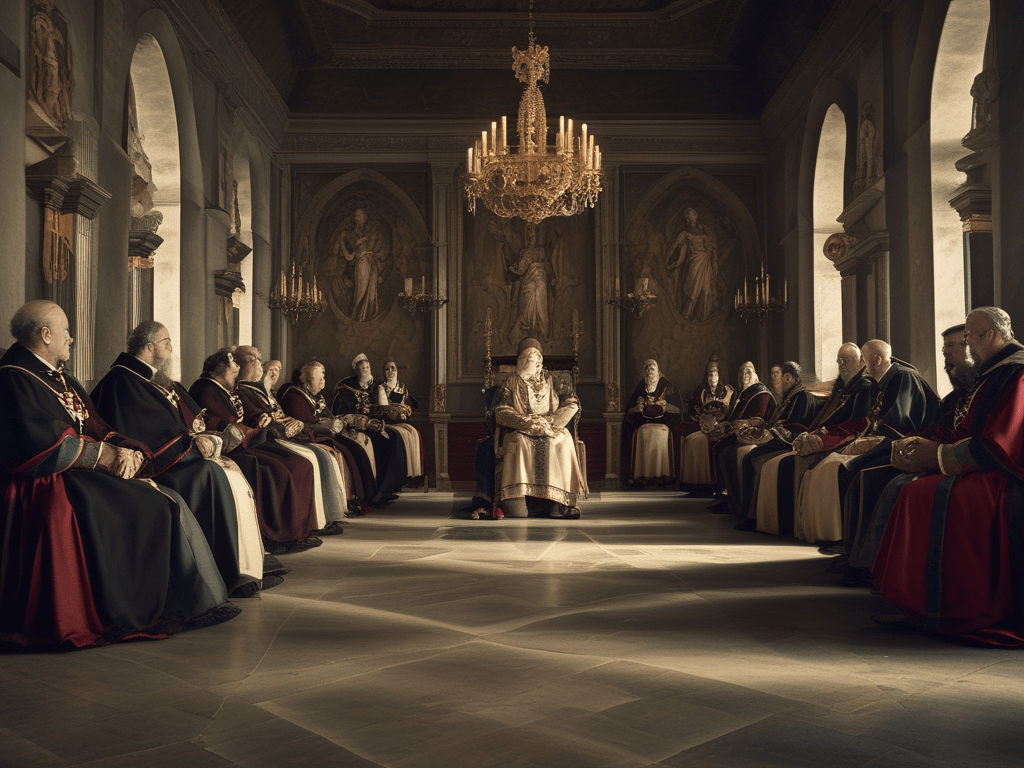
Introduction:
In the backdrop of the current controversies shaking the Catholic Church, it is crucial to delve into historical episodes that have marked its evolution over the centuries. The history of the Church is dotted with disagreements and conflicts, reflecting the human nature of those who lead it, rather than questioning the teachings of its founder, Jesus Christ.
Unlike other branches of Christianity, where disagreements often lead to divisions and the creation of new churches, the Catholic Church takes a more formal approach to addressing controversies. These disputes are usually resolved through instances such as the Congregation for the Doctrine of the Faith or, in cases of greater magnitude, through the convening of councils.
The purpose of this study is to unravel the causes that have led to dissensions, rejections, and demands from ultra-right factions within the Church. To achieve this, the analysis has been divided into five fundamental parts that cover from the essence and repercussions of an Ecumenical Council to contemporary ultra-right currents and schisms.
The Councils of Antiquity
The Councils of Antiquity marked significant milestones in the history of the Church. The first council after that of Jerusalem took place in Nicaea in the year 325, with the attendance of 300 bishops. This council was convened to address and refute the heresy of Arius, who, surprisingly to many, was a bishop at that time.
Subsequent councils gathered with the purpose of refuting the heresies of dissenting groups, led by bishops, members of the clergy, or religious figures. Additionally, they faced challenges such as schisms in the Eastern churches and the need to define and clarify dogmas of faith.
To shed light on this complex situation, it is essential to briefly analyze the history of these councils. Throughout history, a total of 21 ecumenical councils have been held, excluding that of Jerusalem. Many of these councils were convened to address issues such as the refutation of heresies and the proclamation of fundamental dogmas.
These historical councils played a crucial role in consolidating doctrine and unity within the Church, facing theological and doctrinal challenges with determination and clarity.
The Council of Jerusalem not only resolved a crucial theological dispute but also laid the foundation for a Church that transcended cultural and ethnic barriers, emphasizing the importance of faith in Christ over the ceremonial practices of Jewish law.
Differences of Opinion in the Early Church and the Authority of the Apostolic College
Since the early days of the Church, diversity of opinions on the interpretation and application of faith has been a constant. Ultraconservatives advocate for strict adherence to norms and traditions, while other sectors seek to adapt teachings to the changing realities of the world. Amidst these tensions, the authority of the Apostolic College stands as a fundamental pillar for discerning and resolving doctrinal and pastoral differences.
In this context, Peter, a man of humble origin and without formal academic training, emerges as a central figure in the leadership of the early Church. Despite his imperfections and past mistakes, such as his denial of Jesus, Peter exercises his primacy as the head of the Apostolic College by defending his convictions and discerning God’s will amidst controversies.
On the other hand, James, the leader of the conservative group in Jerusalem, represents a more traditional and cautious stance regarding the integration of new ideas and practices in the Christian community. The discussions between Peter, James, and other leaders reflect the inherent tensions in the diversity of opinions in the early Church.
Despite differences and heated discussions, the authority of the Apostolic College prevails as a mechanism to achieve unity and harmony in the Christian community. The ability to reach reconciliation, even when initial positions differ, highlights the importance of humility, dialogue, and consensus-seeking in decision-making within the Church.
This episode of the Council of Jerusalem teaches us that, despite divergences and conflicts, the early Church was able to maintain unity in faith through discernment guided by apostolic authority and the search for God’s will amidst differences.
Councils of Antiquity: Defending the Faith and Uniting the Church
The councils of antiquity played a fundamental role in the history of the Church, marking crucial moments of unity, confrontation, and doctrinal clarification. The first council after that of Jerusalem took place in Nicaea in the year 325, with the participation of 300 bishops. This council was convened to address and refute the heresy of Arius, who surprisingly was a bishop.
Throughout the subsequent councils, the Church faced similar challenges, coming together to refute the heresies of dissenting groups led by bishops, members of the clergy, or religious figures. These gatherings sought not only to defend the faith of the Church but also to address schisms in the Eastern churches and to define and clarify the dogmas of the faith.
These councils were not only moments of theological confrontation but also of unity and strengthening of the Christian faith. Through dialogue, prayer, and joint reflection, the Church leaders sought to discern the truth and preserve unity amidst doctrinal differences and internal tensions.
The history of the councils of antiquity reminds us of the importance of ecclesial communion, the pursuit of truth, and the defense of the faith amidst challenges and controversies. These gatherings not only shaped the identity and doctrine of the Church but also laid the foundation for unity and cohesion in the body of Christ throughout the centuries.
Through the wisdom and guidance of the Holy Spirit, the councils of antiquity contributed to forging a stronger, more united Church faithful to the teaching of Christ. Their legacy endures to this day, reminding us of the importance of communion, dialogue, and the pursuit of truth in the life of the Church.
Characters Who Participated in the Defense, Definition, and Formation of the Deposit of Faith Tradition of the Catholic Church
Great ecclesiastical personalities participated and stood out in the councils that contributed to defining theological dogmas and articles of faith that formed the tradition of the deposit of faith of the Catholic Church. In the early councils of the Church, prominent figures include:
– Pope Saint Sylvester: Played a crucial role in the consolidation of the Church during a time of transition.
– Saint Athanasius, Bishop of Alexandria: Known for his staunch defense of orthodoxy against Arian heresy.
– Saint Ambrose: Participated in the First Council of Nicaea in the year 325, where over 300 bishops gathered.
– Saint Basil the Great, Saint Gregory of Nyssa, and Saint Gregory of Nazianzus: Fought against Arian heresy and contributed to the formulation of the Trinitarian doctrine.
– Saint Jerome, Saint Augustine, and Pope Saint Gregory the Great: Considered Fathers of the Western Church, they had a significant influence on the origins of the Catholic Church.
– Saint Thomas Aquinas and Saint Charles Borromeo: Participated in the Council of Lyon and the Council of Trent, bringing their wisdom to the teachings and disciplines of the Catholic Church.
These ecclesiastical figures not only played important roles in defining the Catholic faith but also contributed to the unity and cohesion of the Church throughout history. Their legacy endures as fundamental pillars in the formation and transmission of the tradition of the Catholic faith.
Conclusion:
Throughout the centuries, difficulties and misunderstandings within the Church have been addressed, refuted, and clarified to promote a deeper understanding and a more authentic experience of faith. These clarifications have emerged through exhaustive studies under the guidance of the Pope and the Magisterium of the Church.
It is important to highlight that controversies, rebellions, and divisions have not been instigated by common faithful, but mostly by high-ranking figures such as bishops, patriarchs, and influential religious leaders. In response to these situations, it has not been isolated individuals who have acted, but rather the entire Magisterium of the Church, enlightened by the guidance of the Holy Spirit, has faced these challenges.
This continuous process of discernment and doctrinal clarification has strengthened the Catholic faith throughout history, ensuring unity and fidelity to the teaching of Christ. The Church, through the authority and wisdom of the Magisterium, has demonstrated its commitment to truth and the preservation of apostolic doctrine amidst the trials and controversies that have arisen in its path.
The Church’s Response to Current Controversies:
Current controversies have been addressed with clarity and transparency through direct responses to the issues raised and the individuals involved. Dialogue has been promoted, and clarification of positions has been invited before the Congregation for the Doctrine of the Faith as the competent authority in these matters. Unfortunately, some individuals have chosen to reject personal dialogue, instead opting to attack the Pope and the Magisterium through social media, seeking to recruit followers by defaming the Supreme Pontiff and the teachings of the Church in a distorted manner.
In the face of a lack of willingness for constructive dialogue, the Congregation for the Doctrine of the Faith has acted in accordance with the norms and canons of the Church, taking disciplinary measures such as censure and the declaration of schism for those individuals involved, removing them from their positions and consecrations.
It is essential to remember that respectful dialogue, the pursuit of truth, and unity in faith are essential pillars for ecclesial life. In times of conflict, the Church turns to its norms and principles to safeguard the integrity of doctrine and ecclesial communion, always seeking the common good and fidelity to the teaching of Christ.
How to Address Current Controversies:
To address current controversies within the Church, it is important to follow certain fundamental principles that have been valid throughout history and can help illuminate the path towards resolution and unity:
– Trust in the guidance of the Holy Spirit in the Church: Recognize that divine guidance is present in the Church to assist in understanding and discerning the truth.
– Study controversies with a critical and non-emotional sense: It is essential to approach disputes with a rational and objective focus, avoiding emotions from clouding judgment and the search for truth.
– Neutrality and respect towards the Magisterium of the Church: It is important to maintain an attitude of openness and respect towards the doctrinal authority of the Church, avoiding taking sides against its teachings without deep and reflective analysis.
– Prayer and perseverance in faith with the grace of the Holy Spirit: Constant prayer and seeking the divine will are essential to find inner peace, wisdom, and the strength needed to face controversies with humility and confidence in God.
By following these principles, the ecclesial community can address current controversies constructively, seeking truth, unity, and the strengthening of faith amidst challenges and differences that may arise.
To Reflect:
To reflect and deepen our faith, it is enriching to read and meditate on the book of Acts of the Apostles, which provides an inspiring testimony of the expansion of the early Church and the action of the Holy Spirit in the Christian community.
May the grace of God accompany us on our spiritual growth journey and guide us in our search for truth and unity in faith.
May God bless everyone and fill us with wisdom and love to follow His path!
Note: If you wish to continue enriching your faith and engaging in meaningful discussions, I invite you to subscribe to the blog to receive new articles as soon as they are published.
May the light of truth and the love of God always be with you!
Article Sources:
1. Ecumenical Councils (Special)
– Author: n/a
– Source:[www.mercaba.org](www.mercaba.org)
2. This is how the pope’s election process works, MELISSA SARTORE
– Author:Melissa Sartore
– Source: Not specified
3. HISTORY OF THE CATHOLIC CHURCH, Pedro García Cmf
– Author: Pedro García Cmf
– Source: Parish of the Heart of Mary, San Salvador, El Salvador C. A
4. Catholic.net
– Source: Catholic.net
One-TimeMonthlyYearlyMake a one-time donation
Make a monthly donation
Make a yearly donation
Choose an amount
MX$5.00MX$15.00MX$100.00MX$5.00MX$15.00MX$100.00MX$5.00MX$15.00MX$100.00Or enter a custom amount
MX$
Your contribution is appreciated.
Your contribution is appreciated.
Your contribution is appreciated.
-
Concilios de la Iglesia Católica: Uniendo la Fe a lo Largo de la Historia, Parte I
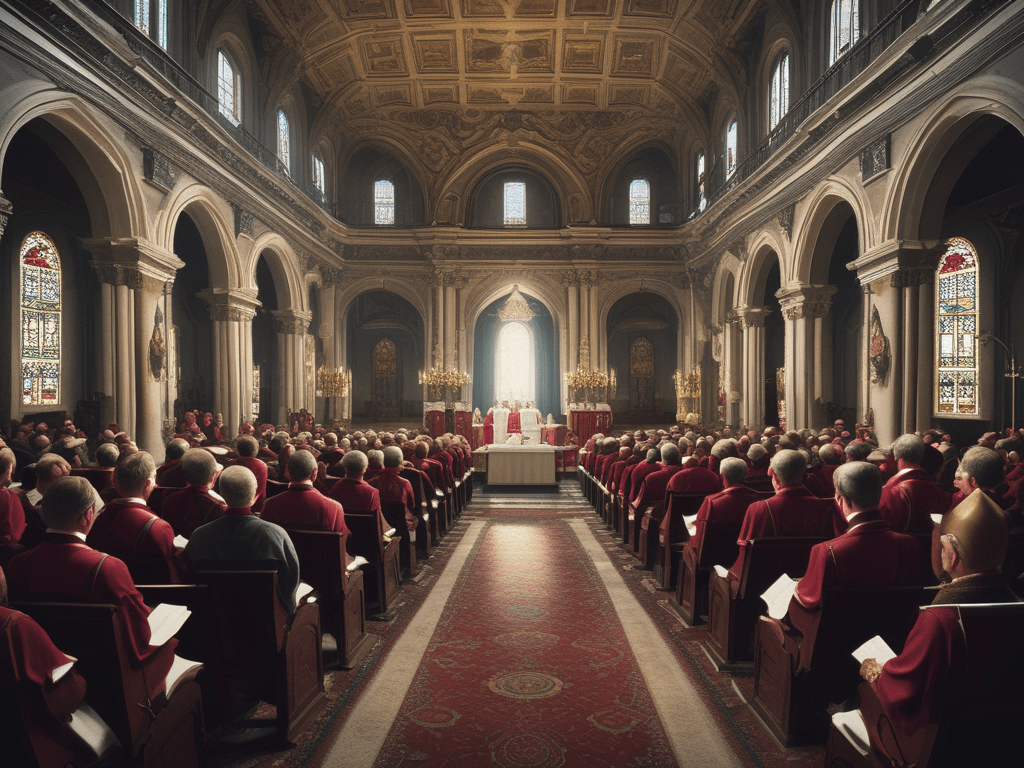
Introducción:
En el trasfondo de las actuales controversias que sacuden la Iglesia Católica, es crucial adentrarse en episodios históricos que han marcado su evolución a lo largo de los siglos. La historia de la Iglesia está salpicada de desacuerdos y conflictos, reflejando la naturaleza humana de aquellos que la lideran, más que cuestionar la enseñanza de su fundador, Jesucristo.
A diferencia de otras ramas del cristianismo, donde las discrepancias a menudo desembocan en divisiones y la creación de nuevas iglesias, la Iglesia Católica tiene un enfoque más formal para abordar las controversias. Estas disputas suelen resolverse a través de instancias como el Dicasterio de la Fe o, en casos de mayor envergadura, mediante la convocatoria de concilios.
El propósito de este estudio es desentrañar las causas que han dado lugar a disidencias, rechazos y demandas de facciones ultraderechistas dentro de la Iglesia. Para lograrlo, se ha dividido el análisis en cinco partes fundamentales que abarcan desde la esencia y repercusiones de un Concilio Ecuménico hasta las corrientes ultraderechistas y cismas contemporáneos.
¿Qué es un Concilio?
Cuando el Papa identifica la necesidad de abordar una cuestión a nivel universal, ya sea relacionado con la fe, herejías, cismas, pastoral o dogmas, convoca a un concilio. En este evento, se reúnen todos los obispos , que junto con el Papa conforman el Magisterio de la Iglesia y tienen la obligación de asistir, pudiendo excusarse solamente por razones de fuerza mayor. Además de los obispos, participan cardenales, obispos sin jurisdicción, abades, otros clérigos, teólogos y personalidades consideradas necesarias para esclarecer los temas tratados.
Los Concilios de la Antigüedad
Los Concilios de la Antigüedad marcaron hitos significativos en la historia de la Iglesia. El primer concilio después del de Jerusalén tuvo lugar en Nicea en el año 325, con la asistencia de 300 obispos. Este concilio se convocó para abordar y refutar la herejía de Arrio, quien, sorprendentemente para muchos, era un obispo en aquel entonces.
Los concilios posteriores se reunieron con el propósito de rebatir las herejías de grupos disidentes, liderados por obispos, miembros del clero o religiosos. Además, enfrentaron desafíos como cismas en las iglesias orientales y la necesidad de definir y clarificar dogmas de fe.
Para arrojar luz sobre esta compleja situación, es esencial analizar brevemente la historia de estos concilios. A lo largo de la historia, se han celebrado un total de 21 concilios ecuménicos, excluyendo el de Jerusalén. Muchos de estos concilios se convocaron para abordar cuestiones como la refutación de herejías y la proclamación de dogmas fundamentales.
Estos concilios históricos desempeñaron un papel crucial en la consolidación de la doctrina y la unidad dentro de la Iglesia, enfrentando desafíos teológicos y doctrinales con determinación y claridad.
Concilio de Jerusalén: La Identidad de la Iglesia Primitiva
En el relato del Concilio de Jerusalén, descrito en el libro de los Hechos de los Apóstoles, se presenta un momento crucial en la historia temprana de la Iglesia. En este concilio, se abordó la cuestión de si los no judíos convertidos al cristianismo debían cumplir con las prácticas de la ley judía, en particular la circuncisión.
El conflicto surgió cuando algunos judíos cristianos sostenían que la circuncisión era un requisito indispensable para la salvación de los gentiles convertidos. Sin embargo, tras intensos debates y discusiones, se llegó a la conclusión de que no era necesario imponer estas prácticas judías a los nuevos creyentes.
Los apóstoles y los presbíteros se reunieron para abordar este asunto, y tras una discusión, Pedro, considerado uno de los líderes de la Iglesia primitiva, se pronunció en contra de la imposición de la ley judía a los gentiles convertidos. Posteriormente, Santiago, quien desempeñaba un papel importante en la comunidad de Jerusalén, respaldó la posición de Pedro, argumentando que no se debía complicar la vida de los paganos convertidos imponiéndoles cargas adicionales.
El apóstol Pedro, en un momento crucial, respaldó la posición de que la fe en Cristo era suficiente para la salvación, independientemente de la observancia de la ley judía. Esta decisión marcó un hito significativo en la identidad de la Iglesia primitiva al reconocer la universalidad del mensaje cristiano y la inclusión de personas de todas las culturas y trasfondos.
Ese episodio del Concilio de Jerusalén es significativo porque establece un precedente importante en la Iglesia primitiva al reconocer la diversidad cultural y religiosa de los creyentes, y al enfatizar la centralidad de la fe en Cristo sobre las prácticas rituales judías. Esta decisión allanó el camino para la expansión del cristianismo más allá de las fronteras del judaísmo y sentó las bases para una identidad cristiana independiente y universal.
Diferencias de Opinión en la Iglesia Primitiva y la Autoridad del Colegio Apostólico
Desde los primeros tiempos de la Iglesia, la diversidad de opiniones sobre la interpretación y aplicación de la fe ha sido una constante. Los ultraconservadores abogan por una adherencia estricta a las normas y tradiciones, mientras que otros sectores buscan adaptar la enseñanza a las realidades cambiantes del mundo. En medio de estas tensiones, la autoridad del Colegio Apostólico se erige como un pilar fundamental para discernir y resolver las diferencias doctrinales y pastorales.
En este contexto, Pedro, un hombre de origen humilde y sin formación académica formal, emerge como una figura central en el liderazgo de la Iglesia primitiva. A pesar de sus imperfecciones y errores pasados, como su negación de Jesús, Pedro ejerce su primacía como cabeza del Colegio Apostólico al defender sus convicciones y discernir la voluntad de Dios en medio de las circunstancias.
Por otro lado, Santiago, líder del grupo conservador en Jerusalén, representa la postura más tradicional y cautelosa en cuanto a la integración de nuevas ideas y prácticas en la comunidad cristiana. La capacidad de llegar a una conciliación, incluso cuando las posturas iniciales difieren, resalta la importancia de la humildad, el diálogo y la búsqueda de consenso en la toma de decisiones dentro de la Iglesia.
Este episodio del Concilio de Jerusalén nos enseña que, a pesar de las divergencias y los conflictos, la Iglesia primitiva fue capaz de mantener la unidad en la fe a través del discernimiento guido por la autoridad apostólica y la búsqueda de la voluntad de Dios en medio de las diferencias.
Los Concilios de la antigüedad: Defendiendo la Fe y Uniendo a la Iglesia
Los concilios de la antigüedad desempeñaron un papel fundamental en la historia de la Iglesia, marcando momentos cruciales de unidad, confrontación y clarificación doctrinal. El primer concilio después de Jerusalén tuvo lugar en Nicea en el año 325, con la participación de 300 obispos. Este concilio se convocó para abordar y refutar la herejía de Arrio, quien, sorprendentemente, era un obispo.
A lo largo de los concilios subsecuentes, la Iglesia se enfrentó a desafíos similares, reuniéndose para refutar las herejías de grupos disidentes liderados por obispos, miembros del clero o religiosos. Estas reuniones no solo buscaban defender la fe de la Iglesia, sino también abordar cismas en las iglesias orientales y definir y clarificar los dogmas de la fe.
Estos concilios no solo fueron momentos de confrontación teológica, sino también de unidad y fortalecimiento de la fe cristiana. A través del diálogo, la oración y la reflexión conjunta, los líderes de la Iglesia buscaron discernir la verdad y preservar la unidad en medio de las diferencias doctrinales y las tensiones internas.
La historia de los concilios de la antigüedad nos recuerda la importancia de la comunión eclesial, la búsqueda de la verdad y la defensa de la fe en medio de los desafíos y las controversias. Estos encuentros no solo moldearon la identidad y la doctrina de la Iglesia, sino que también sentaron las bases para la unidad y la cohesión en el cuerpo de Cristo a lo largo de los siglos.
A través de la sabiduría y la guía del Espíritu Santo, los concilios de la antigüedad contribuyeron a forjar una Iglesia más fuerte, más unida y fiel a la enseñanza de Cristo. su legado perdura hasta nuestros días, recordándonos la importancia de la comunión, el diálogo y la búsqueda de la verdad en la vida de la Iglesia.
Personajes que Participaron en la Defensa, Definición y Formación de la Tradición del Depósito de Fe de la Iglesia Católica
Grandes personalidades eclesiásticas participaron y destacaron en los concilios que contribuyeron a definir dogmas teológicos y artículos de fe que formaron la tradición del depósito de fe de la Iglesia Católica. En los primeros concilios de la Iglesia, figuras destacadas incluyen:
-Papa San Silvestre: Jugó un papel crucial en la consolidación de la Iglesia en un momento de transición.
-San Atanasio, obispo de Alejandría: Conocido por su firme defensa de la ortodoxia frente a la herejía arriana.
San Ambrosio: Participó en el Concilio de Nicea I en el año 325, donde más de 300 obispos se reunieron.
San Basilio el Grande, San Gregorio de Niza y San Gregorio de Nacianzo: Combatieron la herejía arriana y contribuyeron a la formulación de la doctrina trinitaria.
San Jerónimo, San Agustín y San Gregorio el Magno: Considerados Padres de la Iglesia Occidental, tuvieron una influencia significativa en los orígenes de la Iglesia Católica.
Santo Tomás de Aquino y San Carlos Borromeo: Participaron en el Concilio de Lyon y el Concilio de Trento, aportando su sabiduría a las enseñanzas y disciplinas de la Iglesia Católica.
Estas figuras eclesiásticas no solo desempeñaron roles importantes en la definición de la fe católica, sino que también contribuyeron a la unidad y cohesión de la Iglesia a lo largo de la historia. Su legado perdura como pilares fundamentales en la formación y transmisión de la tradición de la fe católica.
Conclusión:
A lo largo de los siglos, las dificultades y malentendidos dentro de la Iglesia han sido abordados, refutados y aclarados para promover una comprensión más profunda y una vivencia más auténtica de la fe. Estas clarificaciones han surgido a través de estudios exhaustivos bajo la guía del Papa y del Magisterio de la Iglesia.
Es importante destacar que las controversias, rebeliones y divisiones no han sido instigadas por fieles comunes, sino mayormente por figuras de alto rango como obispos, patriarcas y líderes religiosos influyentes. En respuesta a estas situaciones, no han actuado individuos aislados, sino que el Magisterio de la Iglesia en su totalidad, iluminado por la guía del Espíritu Santo, ha enfrentado estos desafíos.
Este proceso continuo de discernimiento y clarificación doctrinal ha fortalecido la fe católica a lo largo de la historia, garantizando la unidad y la fidelidad a la enseñanza de Cristo. La Iglesia, a través de la autoridad y la sabiduría del Magisterio, ha demostrado su compromiso con la verdad y la preservación de la doctrina apostólica en medio de las pruebas y controversias que han surgido en su camino.
Respuesta de la Iglesia a las Controversias Actuales:
Las controversias actuales han sido abordadas con claridad y transparencia a través de respuestas directas a las cuestiones planteadas y a las personas involucradas. Se ha promovido el diálogo y se ha invitado a aclarar las posiciones ante el Dicasterio de la Fe como instancia competente en estos asuntos. Lamentablemente, algunos individuos han optado por rechazar el diálogo personal, prefiriendo en su lugar atacar al Papa y al Magisterio a través de las redes sociales, buscando reclutar seguidores difamando de manera descontextualizada al Sumo Pontífice y a las enseñanzas de la Iglesia.
Ante la falta de disposición para el diálogo constructivo, el Dicasterio de la Fe ha actuado conforme a las normas y cánones de la Iglesia, tomando medidas disciplinarias como la censura y la declaración de cisma para aquellos individuos implicados, retirándoles de sus cargos y consagraciones.
Es fundamental recordar que el diálogo respetuoso, la búsqueda de la verdad y la unidad en la fe son pilares esenciales para la vida eclesial. En situaciones de conflicto, la Iglesia recurre a sus normas y principios para salvaguardar la integridad de la doctrina y la comunión eclesial, buscando siempre el bien común y la fidelidad a la enseñanza de Cristo.
Cómo enfrentar las controversias actuales:
Para abordar las controversias actuales dentro de la Iglesia, es importante seguir ciertos principios fundamentales que han sido válidos a lo largo de la historia y que pueden ayudar a iluminar el camino hacia la resolución y la unidad:
– Confianza en la asistencia del Espíritu Santo en la Iglesia: Reconocer que la guía divina está presente en la Iglesia para ayudar en la comprensión y discernimiento de la verdad.
– Estudio de las controversias con sentido crítico y no emocional: Es fundamental abordar las disputas con un enfoque racional y objetivo, evitando que las emociones nublen el juicio y la búsqueda de la verdad.
– Neutralidad y respeto hacia el Magisterio de la Iglesia: Es importante mantener una postura de apertura y respeto hacia la autoridad doctrinal de la Iglesia, evitando tomar partido en contra de sus enseñanzas sin un análisis profundo y reflexivo.
– Oración y perseverancia en la fe con la gracia del Espíritu Santo: La oración constante y la búsqueda de la voluntad divina son fundamentales para encontrar la paz interior, la sabiduría y la fortaleza necesarias para afrontar las controversias con humildad y confianza en Dios.
Para Reflexionar:
Para reflexionar y profundizar en nuestra fe, es enriquecedor leer y meditar en el libro de los Hechos de los Apóstoles, que nos brinda un testimonio inspirador de la expansión de la Iglesia primitiva y la acción del Espíritu Santo en la comunidad cristiana.
Que la gracia de Dios nos acompañe en nuestro camino de crecimiento espiritual y nos guíe en nuestra búsqueda de la verdad y la unidad en la fe.
¡Que Dios bendiga a todos y nos llene de sabiduría y amor para seguir su camino!
Nota: Si deseas continuar enriqueciendo tu fe y participar en discusiones significativas, te invito a suscribirte al blog para recibir los nuevos artículos tan pronto sean publicados
. ¡Que la luz de la verdad y el amor de Dios te acompañen siempre!
Fuentes del Artículo
- Los Concilios Ecuménicos (Especial), Autor: n/a
- Fuente: [www.mercaba.org](www.mercaba.org)
- Así es el proceso de elección del papa, MELISSA SARTORE
- HISTORIA DE LA IGLESIA CATÓLICA, Pedro García Cmf – Autor: Pedro García Cmf – Fuente: Parroquia del Corazón de María, San Salvador, El Salvador C. A
- . Catholic.net
- https://www.consolataamerica.org/
One-TimeMonthlyYearlyMake a one-time donation
Make a monthly donation
Make a yearly donation
Choose an amount
MX$5.00MX$15.00MX$100.00MX$5.00MX$15.00MX$100.00MX$5.00MX$15.00MX$100.00Or enter a custom amount
MX$
Your contribution is appreciated.
Your contribution is appreciated.
Your contribution is appreciated.
-
Jesus’ Preparation for Ministry: Importance and Relevance in our Lives
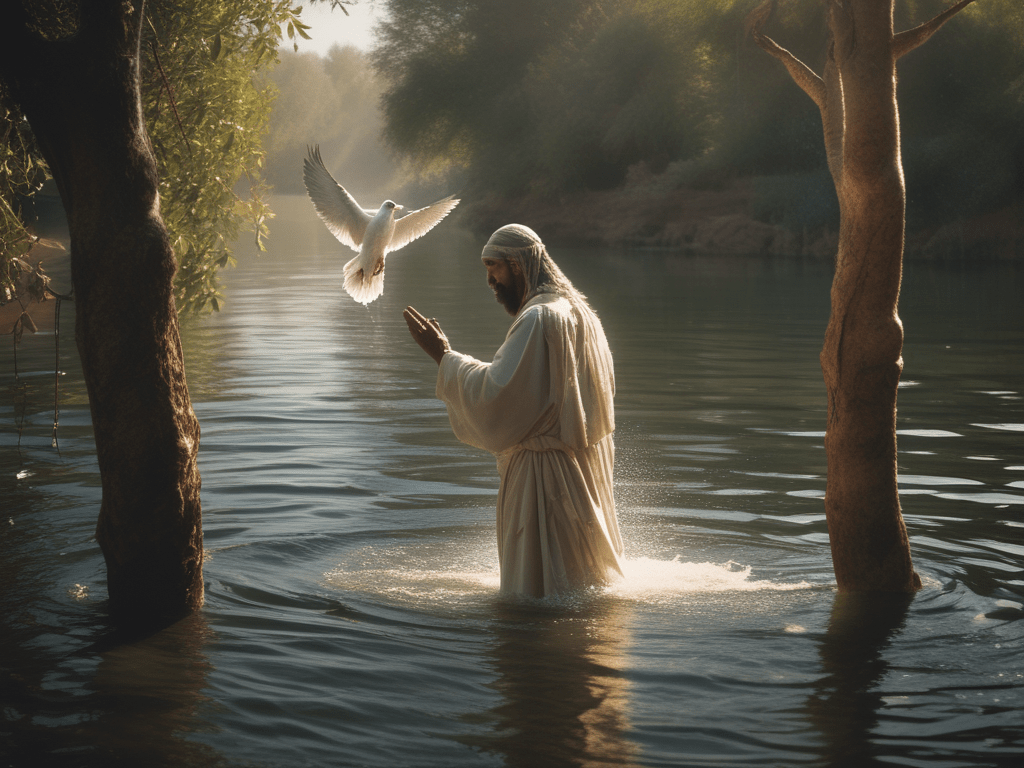
Introduction:
We are delving into the narrative of Jesus’ preparation for his ministry. It is crucial that we pay attention to the various scenarios in which Jesus’ preparation for his ministry unfolds. Let us also analyze the significance of this moment in Jesus’ life, and above all, the importance of our baptism and its relevance in our daily lives as Christians.
Galilee:
Jesus’ activity unfolds in Galilee and its surroundings, including pagan lands. He then passes through Perea and Jericho before reaching Jerusalem. Let us remember that Galilee played a significant role in the development of Jesus’ mission. It was where his first disciples came from, where he preached and performed miracles. From Galilee, he journeyed to Jerusalem, where his mission culminated.
In this context, Mark narrates the events to strengthen the faith of the Christians in Rome who were facing persecution and threats. His language, common Greek (Koine, the common Greek language), is straightforward and effective. He uses phrases like “immediately,” “again,” and “and.” He presents Jesus directly and without hesitation.
For the meditation on this passage and the following ones, I will once again use the system of SEE, JUDGE, ACT. Additionally, I will add comments from important figures and writers of the Church such as the Venerable Bede, Saint Jerome, Saint John Chrysostom, Saint Augustine, Saint Thomas Aquinas, and others.
The Baptism of Jesus
“And it came to pass in those days that Jesus came from Nazareth of Galilee and was baptized by John in the Jordan. And as he came up out of the water, he saw the heavens being torn open and the Spirit descending on him like a dove. And a voice came from heaven: ‘You are my beloved Son; with you I am well pleased.’” (Jerusalem Bible, Mark 1:9-11)
See:
Once again, let’s reread and try to be front-row spectators of this very special event. Jesus descends from Nazareth, a town located in a valley of the low mountains between Cana and Nain, with significant geographical importance as it was halfway between the Mediterranean Sea and the Sea of Galilee. [Source](https://buscandoajesus.wordpress.com/articulos/como-fue-nazaret-en-tiempos-de-jesus/)
The Jordan River:
The Jordan River played a significant role in the lives of the Jews during the time of Jesus. Originating from Mount Hermon and flowing into the Dead Sea, this river was the primary source of freshwater in the region and is frequently mentioned in the Old Testament.
In biblical history, the Jordan River was the point of entry for the Israelites into the Promised Land, marking a crucial moment in the narrative of liberation and divine promise. Additionally, this river played a vital role in the lives of prophets like Elijah and Elisha, who performed miraculous acts in its waters, symbolizing the presence and power of God in the history of the Jewish people.
In the New Testament, the Jordan River retains its spiritual significance as the place where John the Baptist preached and baptized those seeking repentance and spiritual renewal. For Jesus, the act of being baptized in the Jordan River represented a crucial moment of preparation for his public ministry, symbolizing his identification with humanity and his commitment to the divine will.
Starting Point in the Public Life of Jesus
When Jesus arrives at the Jordan River, he is an unknown figure unaffiliated with the religious groups of his time: the priests, Pharisees, and Sadducees. Moreover, he is on the brink of taking a significant step in his life, leaving the land where he grew up and had friendships for a diverse and challenging world that was not welcoming to newcomers. Mark is concise in his narration, yet he does not overlook crucial details for Jesus as he begins his mission.
Many times, in our communities, a similar situation occurs. You arrive at a new parish community with a strong desire to participate and collaborate in pastoral activities, only to encounter individuals who, due to their seniority, see you as a rival and do not allow you to integrate. The right approach would be to recognize the gifts and abilities of new members and encourage, support, and if necessary, prepare them to contribute and develop their gifts to the fullest.
Judging:
The Church Fathers dissect this paragraph in a unique manner: Saint Jerome begins his hermeneutics by comparing Mark’s expression (“and it came to pass”) to a delighted bee during a meadow full of flowers. He then reveals the action of the Holy Spirit anointing Jesus as it descends upon him. Furthermore, he alludes to the effects of the Church’s baptism where we are anointed by the Holy Spirit and declared beloved children of the Father. (Commentaries on the Gospel of Mark, Saint Thomas Aquinas, Ivory Falls Books, p. 12)
From a human perspective, we can compare this Father’s delight in Jesus to a human need that will fill him with strength and energy to endure the persecutions and rejections that will culminate in his passion and death. All of us as human beings need the support of our parents throughout our lives, especially during the challenging moments that we encounter.
Importance of Human Support in Our Lives
This support is of great significance and can be the factor that leads us to success or failure. It is also very necessary, especially when what the child desires may differ from the parents’ plans.
As baptized and anointed as priests, prophets, and kings, we should feel proud to belong to the Mystical Body of Christ and to be children of the Eternal Father. Unfortunately, the majority of the baptized are not aware of such dignity, and many times they feel ashamed of belonging to the Church or at least show indifference.
Acting:
To make this passage our own, we must embrace the words “This is my beloved son/daughter.” In other words, through baptism, we are grafted into the mystical body of Christ and identify with Christ. Therefore, the Father is our Father, and we constantly repeat this in the Lord’s Prayer.
If we believe that God is our Father, it is our filial obligation to live our lives and act at every moment as “beloved children of the Father.” Just as we desire to please the wishes of our natural parents when we truly love them, so should our daily desire be to please our Heavenly Father by following the commandments and, above all, what Jesus came to teach us, “to love our neighbor as ourselves.”
To initiate this change, we can:
1. Pray daily to the Father, asking Him to grant us the experience of His love and support. Remember that personal prayer is the best means of communication with God after the Sacraments, especially the Eucharist.
2. Show interest in your children, grandchildren, and relatives by finding ways to support their desires, dreams, and by discovering their virtues, abilities, and weaknesses. Your “Domestic Church” is important, and by showing interest in its members, you do not need to preach with words because you are doing so through your actions.
3. Be attentive to the needs of others, listen to them, and treat them as true children of God regardless of their race, religion, political or social inclinations.
Final Reflections:
Do you truly believe that God is your Father and loves you unconditionally?
Is there something you wished to do but were not allowed to?
Do you have a child, grandchild, niece, nephew, godchild who needs your emotional support and help?
Do you show physical affection like a kiss or hug to your children?
I hope this reflection has helped you, and I would appreciate it if you could let me know and share this writing with someone.
If you subscribe, you will be able to recieve new articles every week.
I would greatly appreciate your feedback.
God bless us all!
Sources of the Article.
– Catena Aurea, Comentarios al Evangelio, San Marcos, Santo Tomás de Aquino, Ivory Falls Books, 2016
– Biblia de Jerusalén, Editorial Desclée, 1992
One-TimeMonthlyYearlyMake a one-time donation
Make a monthly donation
Make a yearly donation
Choose an amount
MX$5.00MX$15.00MX$100.00MX$5.00MX$15.00MX$100.00MX$5.00MX$15.00MX$100.00Or enter a custom amount
MX$
Your contribution is appreciated.
Your contribution is appreciated.
Your contribution is appreciated.

Reflexiones Espirituales
¡Bienvenidos a mis blog de Experiencias Espirituales!
EXPLORING SPIRITUALITY: Reflections, Meditations and Practica Tips
En este espacio, compartiré mis vivencias, reflexiones y aprendizajes en el camino de la espiritualidad. A través de relatos personales, meditaciones guiadas, y consejos prácticos, espero inspirar a otros a explorar su propia conexión con lo divino y a encontrar paz y propósito en su vida diaria. La espiritualidad es un viaje único y personal, y mi objetivo es crear una comunidad donde todos podamos aprender y crecer juntos. Ya seas nuevo en este camino o tenga años de experiencia, encontrarás aquí un lugar de apoyo y descubrimiento. Mi camino ha sido largo pero de gran aprendizaje tanto en México como en Estados Unidos. Dos culturas que me han enriquecido espiritualmente y me han dado luz en mi caminar.
Gracias por acompañarme en esta aventura. Espero que mis historias y reflexiones te ayuden a profundizar tu propia práctica espiritual y a vivir una vida más plena y consciente.
Welcome to my blog about Spiritual Experiences!
In this space, I will share my experiences, reflections, and learnings on the path of spirituality. Through personal stories, guided, meditations, and practical advice, I hope to inspire others to explore their own connection with the divine and find peace and purpose in their daily lives.
Spirituality is a unique and personal journey, and my goal is to create a community where we can all learn and grow together. Whether you are new to this path or have years of experience, you will find here a place of support and discovery. My journey has been long but full of great learning, both in Mexico and the United States. Two cultures that have enriched me spiritually and have given me light in my path.
Thank you for joining me on this adventure. I hope my stories and reflections help you deepen your own spiritual practice and live a fuller, more conscious life.
Ana María
 Reflexiones Espirituales