-
The Healing of Peter’s Mother-in-Law: A Lesson in Compassion

Mark 1:29-31
When he left the synagogue, he went with James and John to the house of Simon and Andrew. Simon’s mother-in-law was in bed, and they told him about her. “He went to her, took her by the hand, and lifted her up. The fever left her, and she began to serve them.”
Seeing
Upon leaving the synagogue, Jesus, accompanied by two of his disciples, heads to the house of Simon and Andrew, which is apparently located near the place of worship. These four disciples are already familiar to Jesus, suggesting an atmosphere of trust and closeness. They seek a moment of rest after the intense activity in the synagogue.
Peter’s mother-in-law, like many women of her time, took on the responsibility of attending to guests. Yet, on this occasion, she is unwell due to a fever. It is interesting to note that, despite their closeness to Jesus and their knowledge of his power, the disciples do not ask him to carry out a miracle. The absence of the female figure in the house, who traditionally took care of hospitality, has led the disciples to feel incapable of adequately attending to Jesus and his companions.
Although the disciples make no plea, Jesus heals the woman. This act of compassion not only demonstrates Jesus’ power but also his willingness to attend to the needs of those around him, even without being asked. Peter’s mother-in-law’s response is equally significant: by getting up and beginning to serve, she not only shows gratitude but also becomes an example of service and dedication.
Reflection Questions:
1. What does Jesus’ action of healing Peter’s mother-in-law without being asked to teach us?
2. How does the female figure influence the context of the home and hospitality in the narrative of the Gospel?
3. What significance does the act of getting up and serving Peter’s mother-in-law have about serving others?
4. In what way does the closeness of the disciples to Jesus affect their response to Peter’s mother-in-law’s need?
5. What can we learn about compassion and attending to the needs of others from this passage?
Judging
When reflecting on the passage of the healing of Peter’s mother-in-law, it is enriching to consider the interpretations of the Church Fathers. These theologians and spiritual leaders from the early centuries of Christianity offered profound reflections that help us better understand the meaning of this miracle in the context of faith and Christian life. Through their comments, we can see how the healing of Peter’s mother-in-law is not only an act of compassion but also a symbol of the integral restoration of the human being.
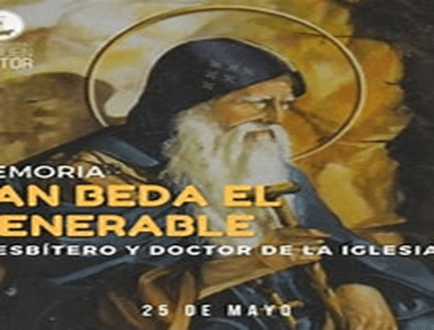
Saint Bede
Saint Bede analyzes the passage and compares it with Luke 4:38, where the disciples plead with Jesus to heal Peter’s mother-in-law. This detail highlights a fundamental characteristic of Jesus: His willingness to listen to the pleas of His faithful and to heal our ailments. The healing of Peter’s mother-in-law is so powerful that, despite having been bedridden, she feels strong enough to start serving her guests right away.
Saint Bede also draws a comparison between this healing and the liberation of the man possessed by a demon. This suggests that the healing of the woman signifies not only a physical restoration but also a symbol of spiritual and mental healing. While the man freed from the demon shows liberation from evil, the woman is healed of her physical ailment and of concupiscence through continence.
Theophilus
On his part, Theophilus attributes the fever to a manifestation of anger. When the woman is freed from it, she immediately gets up to serve. This interpretation suggests that healing is not only physical but also involves an internal transformation.
Saint Jerome
In contrast, Saint Jerome compares fever to incontinence, from which the children of God are liberated through temperance. This perspective invites us to think about how our own ailments are connected to deeper aspects of our spiritual and emotional lives.
Reflection Questions:
1. What does Jesus’ response to the disciples’ pleas teach us about the importance of intercession in our faith life?
2. How can we understand the healing of Peter’s mother-in-law as a symbol of the integral restoration of the human being?
3. In what way can fever, as a manifestation of anger or incontinence, show our own internal struggles?
4. What role does serving others play in our own healing and spiritual well-being?
5. How can we apply the teachings of this passage in our daily lives, especially in times of difficulty or illness?
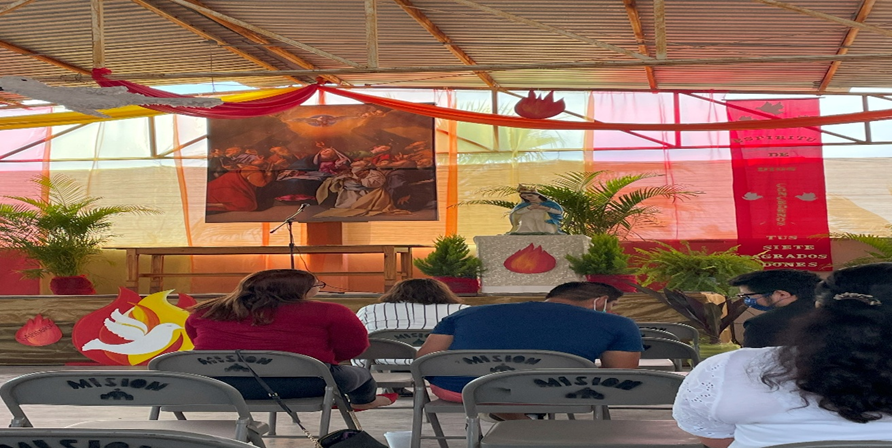
Pentecost Retreat
What does this passage teach us?
The teachings of Jesus, His closeness through the sacraments, and service to the community free us from many diseases and anxieties, both spiritual and psychological as well as physical. The prayer and faith with which we approach the Lord in times of distress are fundamental. Often, our return to the house of the Father, from which we have strayed over the years, liberates us from that which afflicts us.
It is true that healing is not always instantaneous, as described in the Gospel accounts. Nevertheless, experience teaches us that there are moments and needs that, although they seem unsolvable, can be transformed. In a specific instant, what weighed us down can disappear, and we find the capacity to start anew, this time with a renewed sense of relief and hope.
Anecdote of Healing
During my 30 years of service to the community, I have seen many physical and psychological healing. I want to share a particular experience: the healing of a young woman diagnosed with bone cancer.

Initiation Retreat
Arrival
On the second day of a charismatic initiation retreat, a mother and her fifteen-year-old daughter arrived seeking the priest. The mother, visibly distressed, shared that her daughter had been diagnosed with cancer in her femur and that the only choice was to amputate her leg. The desperation was palpable.
The Intercessory Prayer
Despite being busy leading the retreat, I felt the need to intervene. I asked a volunteer to take them to the intercession group, where a group of people was praying in front of the Blessed Sacrament for the needs of the attendees. We prayed not only for the healing of the young girl but also for the peace and acceptance of her mother. As we prayed, the mother began to calm down, and the expression on the girl’s face relaxed.
The Healing Process
We invited the family to join our weekly prayer group. Despite the challenges of treatment, we continued to pray for them. In one of our meetings, the young girl, now 16 and using crutches, shared her testimony: she had been discharged from the hospital and no longer needed an amputation, just a small trimming of bone. The community was filled with gratitude towards God.
The Grace of God
Although the doctors had warned that she would not have children, the young woman is now happily married and has children. Her parents, grateful for the blessings they received, serve in the community by organizing an online prayer group for those in need of support.

Retreat for Communities
Final Reflection
This experience reminds me that gratitude is a sign of a noble heart. Although not everyone who is healed returns to give thanks, this family has remained active in their faith and in the community. Every time I return to that city, I am welcomed with warmth and friendship, reminding me of the power of prayer and the importance of community in times of need.
Reflection Questions
1. How has prayer influenced your life or the life of someone close to you?
Reflect on moments when prayer has brought peace or healing in difficult situations.
2. What role does community play in your process of healing and spiritual growth?
Consider how the support of others has affected your life and your faith.
3. Have you ever experienced a desperation like that of the mother in the anecdote?
Think about how you faced those moments and what you learned from them.
4. In what ways can you contribute to the faith community to help others in their times of need?
Think on how you can be an instrument of support and prayer for those going through difficulties.
5. What does gratitude mean to you in the context of faith and healing?
Consider how gratitude can transform your perspective and your relationship with God and with others.
Act
God is here in our lives, and often the solutions to our problems are closer than we think. They do not need great sacrifices, just an attitude of faith, openness, and a willingness to serve others. By being attentive to the needs of those around us and offering our prayers and support, we can create a ripple effect of healing and hope within our community.

Saint John of God Church
Returning to the House of the Father
Returning to the house of the Father comes at no cost. You only need to have faith and believe that God, as a loving Father, extends His arms to welcome you and help you in your needs.
What Can You Do?
1. Pray with simplicity and humility, asking with faith.
2. Seek spiritual help from people who can support you in your needs through prayer.
3. Stay away from charlatans who only seek your money and do not offer real solutions.
4. Listen to and follow the advice of doctors if you are facing health issues.
5. Pray consistently, intensely, and meditate on the Word of God; there you will find light to face any challenge.
6. Do not lose faith or hope; remember that the sun always rises again after a storm.
Reflection Questions
1. What concrete steps can you take today to draw closer to God in times of difficulty?
2. Who in your life benefits from your spiritual support and prayer?
3. How can you discern between true sources of help and those that only seek to take advantage of your vulnerability?
4. What Bible verse inspires you to keep faith and hope in difficult times?
5. How can you be an instrument of peace and hope for others in your community?
Conclusion
In times of illness, tension, or difficulty, it is vital to remember that we are never alone. God is always here, extending His loving arms toward us, ready to embrace and guide us. Faith, prayer, and the support of our community are powerful tools that allow us to face any challenge with courage and hope.
Invitation to take action
I invite you to take action today. Pray sincerely, seek the support of those around you, and keep your heart open to the solutions that God has for you. Steer clear of distractions and those who only seek to take advantage of your vulnerability. Instead, focus on the light that emanates from the Word of God and the strength found in the community of faith.
Remember: the sun always rises again after the storm. Do not lose faith or hope, for each day is a new opportunity to experience God’s goodness in your life.
I encourage you to join my blog, where I share more reflections and resources to strengthen our faith and spread the Word of God. Together, we can be beacons of light and hope in a world that often feels dark. Share this message and help us bring hope to more hearts!
Sources of the Article:
– Catena Aurea, Comentarios al Evangelio, San Marcos, Santo Tomás de Aquino, Ivory Falls Books, 2016
– Biblia de Jerusalén, Editorial Desclée, 1992
– Comentario Al Evangelio de Marcos, Juan Mateos, S.J. Centro de Reflexión Teológica, 1990
– La Noticia de Jesús según San Marcos, Luis Mosconi, Ediciones Dabar, 1993
 One-TimeMonthlyYearly
Make a one-time donation
Make a monthly donation
Make a yearly donation
Choose an amount
MX$5.00MX$15.00MX$100.00MX$5.00MX$15.00MX$100.00MX$5.00MX$15.00MX$100.00Or enter a custom amount
MX$
Your contribution is appreciated.
Your contribution is appreciated.
Your contribution is appreciated.
-
Lecciones de Fe en la Sanación de la Suegra de Pedro
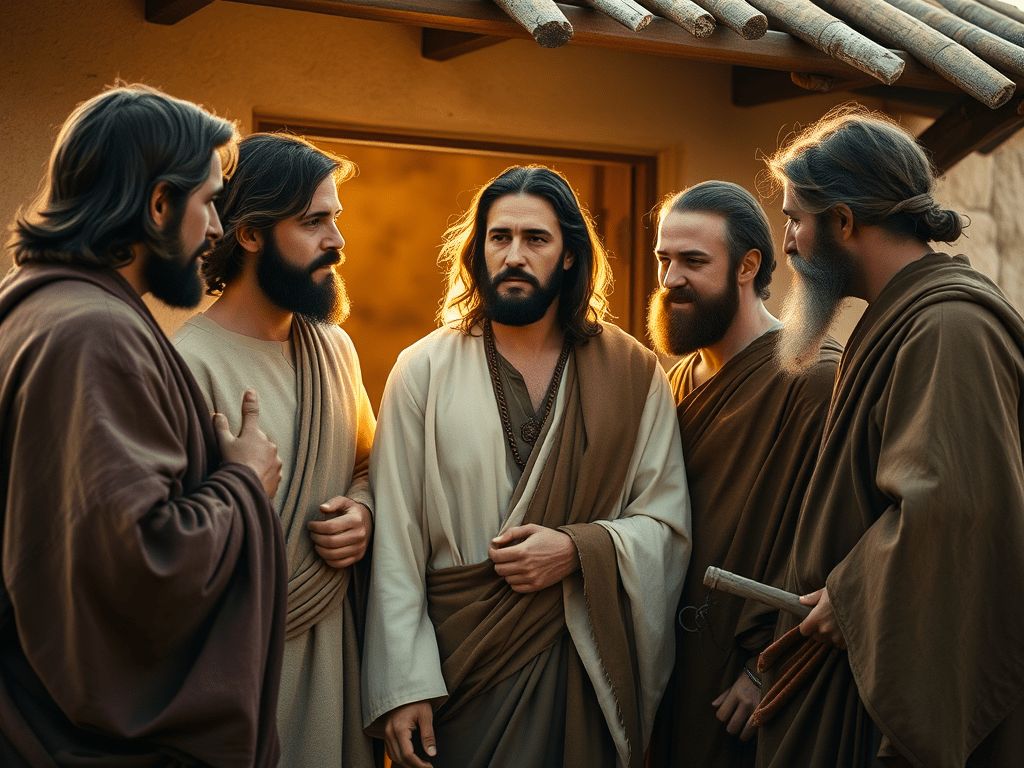
Marcos 1, 29 – 31
Cuando salió de la sinagoga se fue con Santiago y Juan a casa de Simón y Andrés. La suegra de Simón estaba en cama y le hablan de ella. “Se acercó y, tomándola de la mano, la levantó. La fiebre la dejó y ella se suso a servirles.
Ver
Al salir de la sinagoga, Jesús, acompañado de dos de sus discípulos, se dirige a la casa de Simón y Andrés, que aparentemente se encuentra cerca del lugar de culto. Estos cuatro discípulos ya son familiares para Jesús, lo que sugiere un ambiente de confianza y cercanía. Es probable que busquen un momento de descanso tras la intensa actividad en la sinagoga.
La suegra de Pedro, como muchas mujeres de su tiempo, asumía la responsabilidad de atender a los invitados. Sin embargo, en esta ocasión, se encuentra indispuesta debido a una fiebre. Es interesante notar que, a pesar de su cercanía con Jesús y su conocimiento de su poder, los discípulos no le piden que realice un milagro. La ausencia de la figura femenina en la casa, que tradicionalmente se encargaba de la hospitalidad, podría haber llevado a los discípulos a sentirse incapaces de atender adecuadamente a Jesús y a sus compañeros.
A pesar de que no hay una petición explícita por parte de los discípulos, Jesús se acerca a la mujer y la sana. Este acto de compasión no solo muestra el poder de Jesús, sino también su disposición a atender las necesidades de aquellos que lo rodean, incluso sin que se le solicite. La respuesta de la suegra de Pedro es igualmente significativa: al levantarse y comenzar a servir, ella no solo muestra gratitud, sino que también se convierte en un ejemplo de servicio y dedicación.
Preguntas de reflexión:
1. ¿Qué nos enseña la acción de Jesús al sanar a la suegra de Pedro sin que se le pida ayuda?
2. ¿Cómo influye la figura femenina en el contexto del hogar y la hospitalidad en la narrativa del Evangelio?
3. ¿Qué significado tiene el acto de levantarse y servir por parte de la suegra de Pedro en relación con el servicio a los demás?
4. ¿De qué manera la cercanía de los discípulos a Jesús afecta su respuesta ante la necesidad de la suegra de Pedro?
5. ¿Qué podemos aprender sobre la compasión y la atención a las necesidades de los demás a partir de este pasaje?
Juzgar
Al reflexionar sobre el pasaje de la sanación de la suegra de Pedro, es enriquecedor considerar las interpretaciones de los Santos Padres de la Iglesia. Estos teólogos y líderes espirituales de los primeros siglos del cristianismo ofrecieron profundas reflexiones que nos ayudan a comprender mejor el significado de este milagro en el contexto de la fe y la vida cristiana. A través de sus comentarios, podemos ver cómo la sanación de la suegra de Pedro no solo es un acto de compasión, sino también un símbolo de la restauración integral del ser humano.
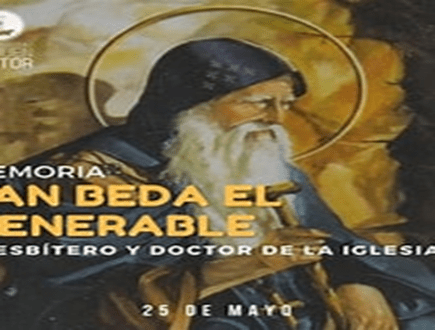
En el Evangelio de Lucas se lee que le rogaron por ella (Lc 4, 38). “Por esto cura cuando se le ruega. Continúa pues: Y acercándose la levantó trayéndola de la mano¨.
San Beda analiza el pasaje y lo compara con el de Lucas 4, 38, donde los discípulos le ruegan a Jesús que sane a la suegra de Pedro. Este detalle resalta una característica fundamental de Jesús: su disposición a escuchar los ruegos de sus fieles y a sanar nuestras dolencias. La sanación de la suegra de Pedro es tan poderosa que, a pesar de haber estado en cama, ella se siente lo suficientemente fortalecida como para comenzar a servir a sus invitados de inmediato.
Comparaciones de San Beda
“Si dijéremos que el varón librado del demonio significa el ánimo purificado moralmente de todo pensamiento inmundo, habremos de decir que la mujer curada de la fiebre a la voz del Señor significa la carne preservada del fuego de la concupiscencia por los preceptos de la continencia”. (Catena Aurea Comentarios al Evangelio de San Marcos p. 23)
San Beda también establece una comparación entre esta sanación y la liberación del hombre poseído por un demonio. Esto sugiere que la sanación de la mujer representa no solo una restauración física, sino también un símbolo de sanación espiritual y mental. Mientras que el hombre liberado del demonio representa la liberación del mal, la mujer es sanada de su dolencia física y de la concupiscencia a través de la continencia.
Por su parte, Teófilo atribuye la fiebre a una manifestación de la ira. Al ser liberada de ella, la mujer se levanta inmediatamente para servir. Esta interpretación sugiere que la sanación no solo es física, sino que también implica una transformación interna. En contraste, San Jerónimo compara la fiebre con la incontinencia, de la que los hijos de Dios son liberados a través de la templanza. Esta perspectiva nos invita a reflexionar sobre cómo nuestras propias dolencias pueden estar conectadas con aspectos más profundos de nuestra vida espiritual y emocional.
Preguntas de reflexión:
1. ¿Qué nos enseña la respuesta de Jesús a los ruegos de sus discípulos sobre la importancia de la intercesión en nuestra vida de fe?
2. ¿Cómo podemos entender la sanación de la suegra de Pedro como un símbolo de la restauración integral del ser humano?
3. ¿De qué manera la fiebre, como manifestación de la ira o incontinencia, puede reflejar nuestras propias luchas internas?
4. ¿Qué papel juega el servicio a los demás en nuestra propia sanación y bienestar espiritual?
5. ¿Cómo podemos aplicar las enseñanzas de este pasaje en nuestra vida cotidiana, especialmente en momentos de dificultad o enfermedad?
Retiro de Pentecostés
¿Qué nos enseña este pasaje?
Las enseñanzas de Jesús, su cercanía a través de los sacramentos y el servicio a la comunidad nos liberan de muchas enfermedades y angustias, tanto espirituales como psicológicas y corporales. La oración y la fe con las que nos acercamos al Señor en momentos de angustia son fundamentales. A menudo, nuestro regreso a la casa del Padre, de la que quizás nos hemos alejado a lo largo de los años, nos libera de aquello que nos aflige.
Es cierto que la sanación no siempre es instantánea, como las que se describen en los relatos evangélicos. Sin embargo, la experiencia nos enseña que hay momentos y necesidades que, aunque parecen no tener solución, pueden transformarse. En un instante determinado, lo que nos pesaba puede desaparecer, y encontramos la capacidad de comenzar de nuevo, esta vez con una renovada sensación de alivio y esperanza.
Anécdota de Sanación
Durante mis 30 años de servicio a la comunidad, fui testigo de numerosas sanaciones físicas y psicológicas. Quiero compartir una experiencia particular: la sanación de una joven diagnosticada con cáncer de hueso.
Retiro de Iniciación
La Llegada
En el segundo día de un retiro de iniciación carismática, una madre y su hija de 15 años llegaron buscando al sacerdote. La madre, visiblemente angustiada, compartió que a su hija le habían diagnosticado cáncer en el fémur y que la única opción era amputar la pierna. La desesperación era palpable.
La Oración de Intercesión
A pesar de estar ocupada dirigiendo el retiro, sentí la necesidad de intervenir. Pedí a una servidora que las llevara al grupo de intercesión, donde un grupo de personas oraba frente al Santísimo Sacramento por las necesidades de los asistentes. Oramos no solo por la sanación de la joven, sino también por la paz y resignación de su madre. A medida que orábamos, la madre comenzó a calmarse y la expresión de la chica se relajó.
El Proceso de Sanación
Invitamos a la familia a unirse a nuestro grupo de oración semanal. A pesar de las dificultades del tratamiento, continuamos orando por ellas. En una de nuestras reuniones, la joven, ahora de 16 años y con muletas, compartió su testimonio: había sido dada de alta y no necesitaba amputación, solo un pequeño recorte de hueso. La comunidad se llenó de gratitud hacia Dios.
La Gracia de Dios
A pesar de que los médicos habían advertido que podría no tener hijos, la joven hoy está felizmente casada y tiene hijos. Sus padres, agradecidos, sirven en la comunidad, organizando un grupo de oración en línea para aquellos que necesitan apoyo.
Retiro de Comunidades
Reflexión Final
Esta experiencia me recuerda que el agradecimiento es un signo de un corazón noble. Aunque no todos los sanados regresan a dar gracias, esta familia se ha mantenido activa en su fe y en la comunidad. Cada vez que regreso a esa ciudad, me reciben con calidez y amistad, recordándome el poder de la oración y la importancia de la comunidad en momentos de necesidad.
Preguntas de Reflexión
1. ¿Cómo ha influido la oración en tu vida o en la vida de alguien cercano a ti?
Reflexiona sobre momentos en los que la oración ha traído paz o sanación en situaciones difíciles.
2. ¿Qué papel juega la comunidad en tu proceso de sanación y crecimiento espiritual?
Considera cómo el apoyo de otros ha impactado tu vida y tu fe.
3. ¿Has experimentado alguna vez la desesperación similar a la de la madre en la anécdota?
Piensa en cómo enfrentaste esos momentos y qué aprendiste de ellos.
4. ¿De qué manera puedes contribuir a la comunidad de fe para ayudar a otros en sus momentos de necesidad?
Reflexiona sobre cómo puedes ser un instrumento de apoyo y oración para quienes están pasando por dificultades.
5. ¿Qué significa para ti el agradecimiento en el contexto de la fe y la sanación?
Considera cómo el agradecimiento puede transformar tu perspectiva y tu relación con Dios y con los demás.
Actuar
Dios está presente en nuestras vidas, y muchas veces las soluciones a nuestros problemas están más cerca de lo que pensamos. No requieren grandes sacrificios, solo una actitud de fe, esperanza y humildad. En momentos de enfermedad, tensión o dificultades, es fundamental recordar que no necesitamos recurrir a brujos ni santeros que solo buscan vaciar nuestros bolsillos sin ofrecer verdaderas soluciones.
La Iglesia Católica siempre está abierta para quienes la necesitan. La oración es un recurso gratuito, y hay muchas personas generosas dispuestas a ofrecer su tiempo y apoyo.

Iglesia de San Juan de Dios
Volver a la Casa del Padre
Regresar a la casa del Padre no tiene costo alguno. Solo necesitas tener fe y creer que Dios, como un amoroso Padre, extiende sus brazos para acogerte y ayudarte en tus necesidades.
¿Qué Puedes Hacer?
1. Ora con sencillez y humildad, pidiendo con fe.
2. Busca ayuda espiritual de personas que puedan acompañarte en tu necesidad a través de la oración.
3. Aléjate de los charlatanes que solo buscan tu dinero y no ofrecen verdaderas soluciones.
4. Escucha y sigue las indicaciones de los médicos si enfrentas problemas de salud.
5. Ora con constancia, intensamente y medita la Palabra de Dios; allí encontrarás luz para enfrentar cualquier desafío.
6. No pierdas la fe ni la esperanza; recuerda que el sol siempre vuelve a salir después de una tormenta.
Preguntas de Reflexión
1. ¿Qué pasos concretos puedes dar hoy para acercarte más a Dios en momentos de dificultad?
2. ¿Quién en tu vida podría beneficiarse de tu apoyo espiritual y oración?
3. ¿Cómo puedes discernir entre las verdaderas fuentes de ayuda y aquellas que solo buscan aprovecharse de tu vulnerabilidad?
4. ¿Qué versículo de la Biblia te inspira a mantener la fe y la esperanza en tiempos difíciles?
5. ¿Cómo puedes ser un instrumento de paz y esperanza para otros en tu comunidad?
Conclusión
En momentos de enfermedad, tensión o dificultad, es vital recordar que nunca estamos solos. Dios está siempre presente, extendiendo sus brazos amorosos hacia nosotros, listo para acogernos y guiarnos. La fe, la oración y el apoyo de nuestra comunidad son herramientas poderosas que nos permiten enfrentar cualquier desafío con valentía y esperanza.
Te invito a que tomes acción hoy mismo. Ora con sinceridad, busca el apoyo de aquellos que te rodean y mantén tu corazón abierto a las soluciones que Dios tiene para ti. Aléjate de las distracciones y de quienes solo buscan aprovecharse de tu vulnerabilidad. En su lugar, enfócate en la luz que emana de la Palabra de Dios y en la fuerza que se encuentra en la comunidad de fe.
Recuerda: el sol siempre vuelve a salir después de la tormenta. No pierdas la fe ni la esperanza, porque cada día es una nueva oportunidad para experimentar la bondad de Dios en tu vida.
Te animo a unirte a mi blog, donde comparto más reflexiones y recursos para fortalecer nuestra fe y difundir la palabra de Dios. Juntos, podemos ser faros de luz y esperanza en un mundo que a menudo se siente oscuro. ¡Comparte este mensaje y ayúdanos a llevar la esperanza a más corazones!

Fuentes del Artículo
Comentario al Evangelio de San Marcos, Juan Mateos S.J. Centro de Reflexión Teológica, 1990
La Noticia de Jesús Según San Marcos, Luis Mosconi, Ediciones Dabar, 1990
Santo Tomás de Aquino, Catena Aurea, Comentarios al Evangelio de San Marcos
El Evangelio Según San Marcos, Salvador Carrillo Alday
One-TimeMonthlyYearlyMake a one-time donation
Make a monthly donation
Make a yearly donation
Choose an amount
MX$5.00MX$15.00MX$100.00MX$5.00MX$15.00MX$100.00MX$5.00MX$15.00MX$100.00Or enter a custom amount
MX$
Your contribution is appreciated.
Your contribution is appreciated.
Your contribution is appreciated.
-
The Authority of Jesus: Impact on Modern Life
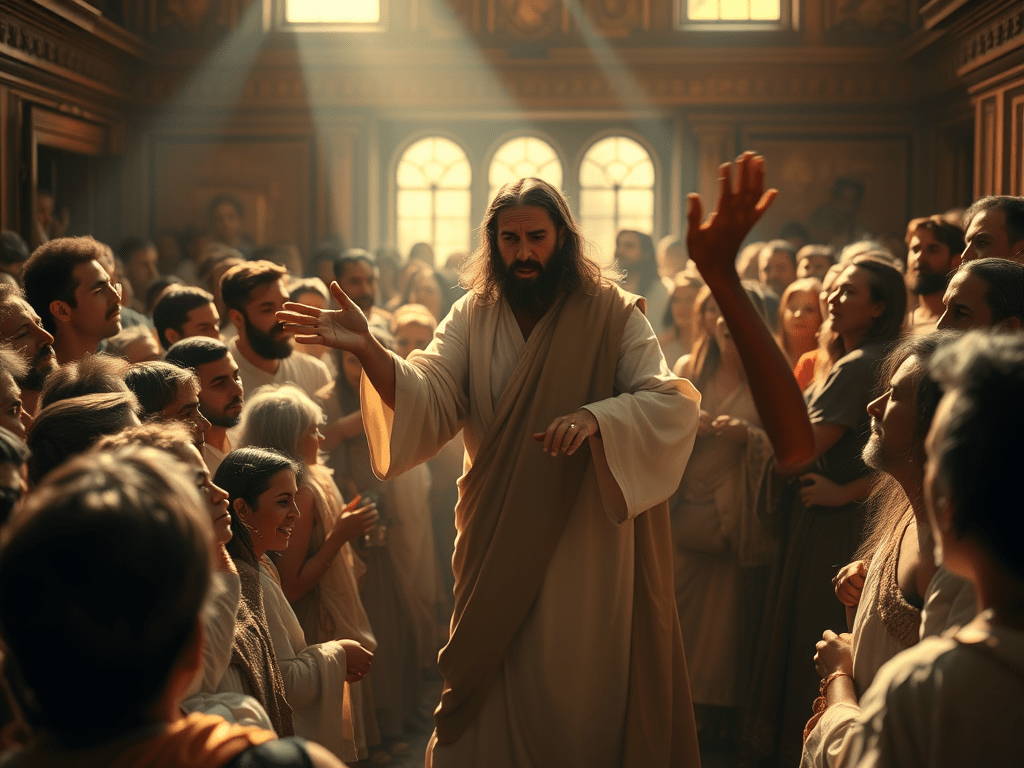
MARK, 1: 21-28
They came to Capernaum. When the Sabbath arrived, he entered the synagogue and began to teach. They were astonished at his teaching, for he taught them as one having authority, and not as the scribes.
Now there was in their synagogue a man with an unclean spirit, and he cried out, “What do we have to do with you, Jesus of Nazareth? Have you come to destroy us? I know who you are: the Holy One of God.” Jesus then rebuked him, saying, “Be silent and come out of him.” And the unclean spirit, convulsing him and crying out with a loud voice, came out of him.
They were all amazed, so that they questioned themselves, saying, “What is this? A new teaching with authority! He commands even the unclean spirits, and they obey him.” And immediately his fame spread everywhere throughout all the surrounding regions of Galilee.
Understanding the Message of the Gospel
At the beginning of his ministry, Jesus astonishes those who listen to him. In Mark 1: 21-28, we are presented with a teacher who not only communicates the message of God but does so with an authority that leaves the crowd in awe. Just as in Matthew 2:47, the listeners recognize that his teaching is different, backed by the manifestation of his power over evil spirits. Thus, Jesus not only preaches but embodies the presence of the Kingdom of God among his people.
The Church Fathers offer valuable reflections on this passage. St. Jerome emphasizes that, although Mark does not follow a chronological order, his narrative reveals profound mysteries. Referring to Capernaum as a “place of rest and a farm of comfort,” he invites us to see the importance of this location in salvation. The man possessed by an unclean spirit symbolizes the impurity that has reigned in humanity from Adam to Moses.
St. Bede observes that, despite the violent reaction of the man upon being liberated, this does not weaken him, which contrasts with the typical reactions during an exorcism. The demons, questioning Jesus, are silenced by his authority. St. John Chrysostom, for his part, focuses on how Jesus frees human hearts from impurity, allowing divine thoughts to flourish that lead us away from sin.
Reflecting on the Message in Our Lives
When considering the message of Mark in the current context, I ask myself: what evils would Jesus find today? What spiritual, social, familial, ecological, and psychological challenges threaten us? Where would he direct his steps to announce the Good News and liberate humanity from sin and the evil one? From war conflicts in various regions of the world to diseases affecting millions, the influence of evil manifests in multiple ways.
Individualism has transformed our society into isolated cells, where personal well-being prevails over the common good. As an educator, I have observed how education has been affected by this mentality, making it difficult to foster learning and the development of values in young people. Drug addiction and substance abuse have increased, and casual sex has become normalized, blurring the values of chastity and family. Furthermore, the arms trade perpetuates wars and suffering, while economic interests seem to take precedence over peace.

Jesus as the Answer to Current Evils
Just as in the past, Jesus continues to be the answer to the influence of evil in our society. There is an urgent need for re-evangelizing, especially in continents like Europe and Asia, where Christianity still flourishes. With His love and grace, Jesus can cast out the malignant influence, and by liberating us from this slavery, we can regain the sense of love, brotherhood, and solidarity.
: A Testimony of Faith and Perseverance
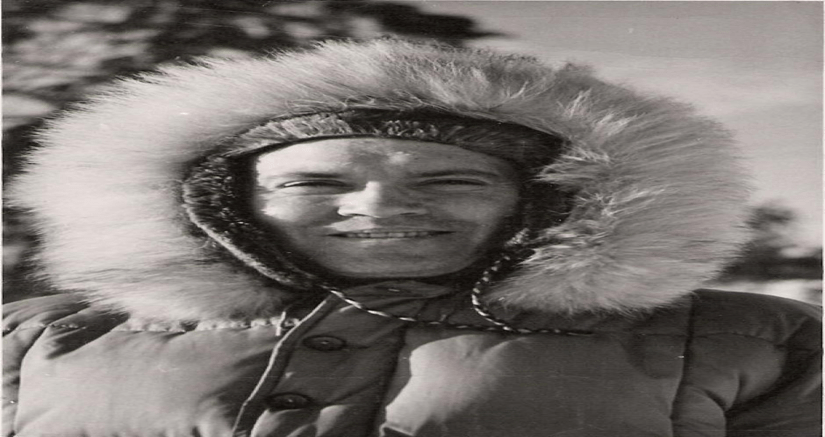
In the 1980th, I had the fortune of meeting Father Segundo Llorente Villa, S.J., who dedicated forty years to evangelizing the Eskimos. His work, though seemingly obscure, was deeply appreciated by those he served. When I asked him about his mission, he replied, “I spent forty years teaching the sign of the cross to the Eskimos.” His dedication and love for his mission laid the groundwork for the integration of the Eskimos into American society. His life is a testament to how faith and perseverance can transform lives and communities.
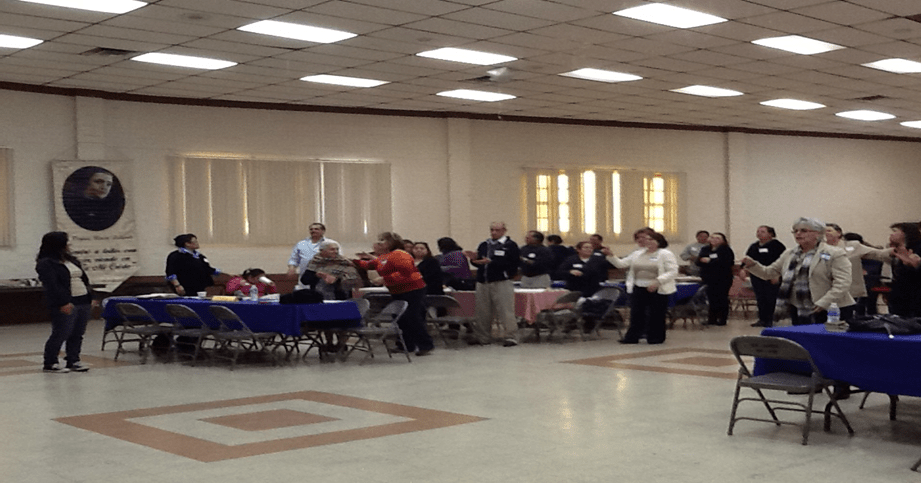
To achieve this goal, we must prepare ourselves psychologically and spiritually. Transformation begins at home, the domestic church, and extends to the parish community and eventually to society. Here are some practical actions we can consider:
1. Dedicate Time to Deepen Our Faith: Engage in study and reflection on our beliefs, understanding the teachings of the Church and the message of the Gospel.
2. Pray for Understanding Seek to comprehend and interpret the signs of the times through prayer, asking for guidance and wisdom in our daily lives.
3. Seek God’s Will: Actively look for God’s purpose in our lives and within our communities, aligning our actions with His divine plan.
4. Get Involved in Parish Activities: participating in initiatives that allow us to be agents of change, fostering a spirit of service and community engagement.
5. Bring Our Faith into Civil Society: Engage in civic activities that promote the common good, advocating for justice, peace, and the dignity of all people.
6. Start Each Day Anew: Remember that our testimony of life is key to bringing the healing action of Jesus into the world. Each day is an opportunity to renew our commitment to live out our faith authentically.

Invitation to Reflection and Participation
I invite you to think about these questions:
– What does the authority of Jesus mean to you in your life?
– How can you allow His power to act in your daily struggles?
Please share your thoughts in the comments, and feel free to share this article with those who need a message of hope and liberation. Together, we can foster a space for dialogue and spiritual growth.
Additionally, if this article has inspired you, consider sharing it on your social media using the hashtag #AuthorityOfJesus. This way, we can create an online community where we can share experiences and reflections on how to live our faith in today’s world.
Sources of the article
Fuentes del Artículo:
– Catena Aurea, Comentarios al Evangelio, San Marcos, Santo Tomás de Aquino, Ivory Falls Books, 2016
– Biblia de Jerusalén, Editorial Desclée, 1992
– Comentario Al Evangelio de Marcos, Juan Mateos, S.J. Centro de Reflexión Teológica, 1990
– Haces de Luz en mi Senda, MHPVM, #150
– La Noticia de Jesús según San Marcos, Luis Mosconi, Ediciones Dabar, 1993
One-TimeMonthlyYearlyMake a one-time donation
Make a monthly donation
Make a yearly donation
Choose an amount
MX$5.00MX$15.00MX$100.00MX$5.00MX$15.00MX$100.00MX$5.00MX$15.00MX$100.00Or enter a custom amount
MX$
Your contribution is appreciated.
Your contribution is appreciated.
Your contribution is appreciated.
-
La Autoridad de Jesús: Enseñanzas y Liberación
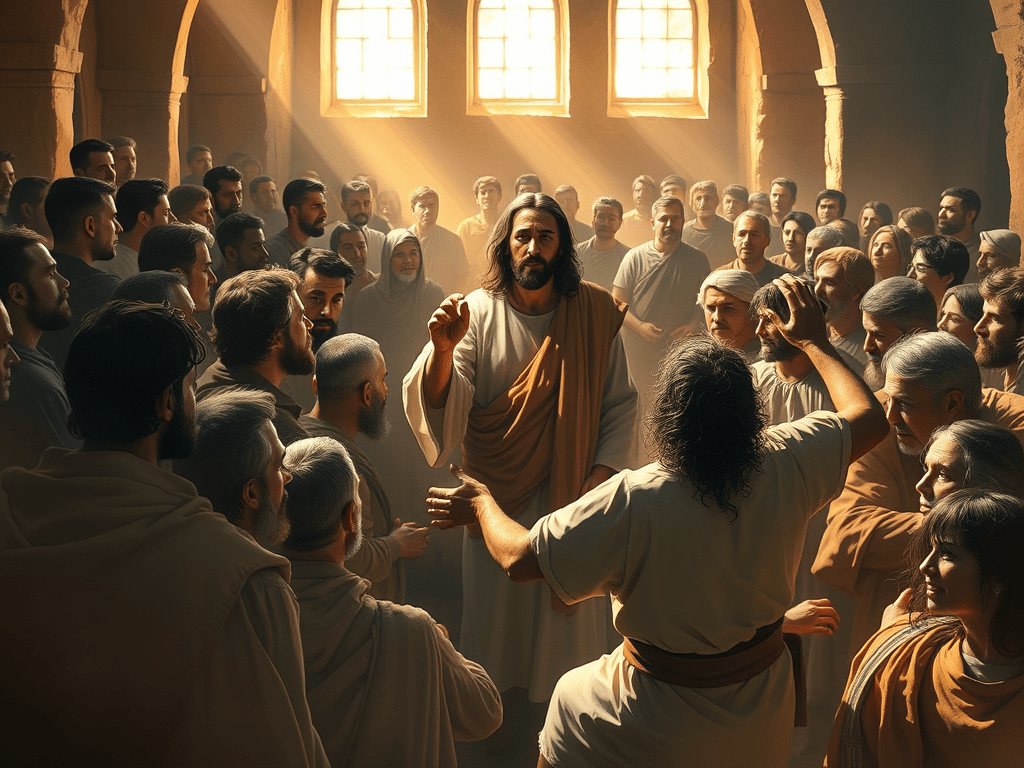
Llegan a Cafarnaúm. Al llegar el sábado entró en la sinagoga y se puso a enseñar. Y quedaban asombrados de su doctrina, porque les enseñaba como quien tiene autoridad, y no como los escribas.
Había precisamente en su sinagoga un hombre poseído de un espíritu inmundo, que se puso a gritar. «¿Qué tenemos contigo, Jesús de Nazaret? ¿Has venido a destruirnos? Se quién eres tú : el santo de Dios.» Jesús entonces le conminó diciendo: «Cállate y sal de él.» Y gritándole violentamente el espíritu inmundo, dio un fuerte grito y salió de él. Todos quedaron pasmados de tal manera que se preguntaban unos a otros: «¿Qué es esto? ¡Una doctrina nueva expuesta con autoridad! Manda hasta los espíritus inmundos y le obedecen.» Bien pronto su fama se extendió por todas partes, en toda la región de Galilea.
VER: Comprendiendo el Mensaje del Evangelio
En el inicio de su ministerio, Jesús asombra a quienes le escuchan. En Marcos 1, 21-28, se nos presenta a un maestro que no solo comunica el mensaje de Dios, sino que lo hace con una autoridad que deja a la multitud maravillada. Al igual que en Mateo 2, 47, los oyentes reconocen que su enseñanza es diferente, respaldada por la manifestación de su poder sobre los espíritus malignos. Así, Jesús no solo predica, sino que encarna la presencia del Reino de Dios entre su pueblo.
Los Padres de la Iglesia ofrecen valiosas reflexiones sobre este pasaje. San Jerónimo destaca que, aunque Marcos no sigue un orden cronológico, su narración revela misterios profundos. Al referirse a Cafarnaúm como un “lugar de descanso y granja de consuelo”, nos invita a ver la importancia de este lugar en la salvación. El hombre poseído por un espíritu impuro simboliza la impureza que ha reinado en la humanidad desde Adán hasta Moisés.
San Beda observa que, a pesar de la reacción violenta del hombre al ser liberado, esta no lo debilita, lo que contrasta con las reacciones típicas de un exorcismo. Los demonios, al cuestionar a Jesús, son silenciados con su autoridad. San Crisóstomo, por su parte, se enfoca en cómo Jesús libera a los corazones humanos de la impureza, permitiendo que florezcan pensamientos divinos que nos alejan del pecado.

JUZGAR: Reflexionando sobre el Mensaje en Nuestra Vida
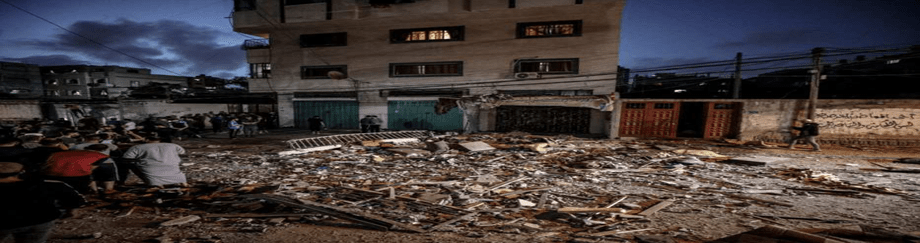
Al considerar el mensaje de Marcos en el contexto actual, me pregunto: ¿qué males encontraría Jesús hoy? ¿Qué desafíos espirituales, sociales, familiares, ecológicos y psicológicos nos acechan? ¿Dónde dirigiría sus pasos para anunciar la Buena Nueva y liberar a la humanidad del pecado y del maligno? Desde conflictos bélicos en diversas regiones del mundo hasta enfermedades que afectan a millones, la influencia del maligno se manifiesta de múltiples formas.
El individualismo ha transformado nuestra sociedad en células aisladas, donde el bienestar personal prevalece sobre el bien común. Como educadora, he sido testigo de cómo la educación se ha visto afectada por esta mentalidad, dificultando el aprendizaje y el desarrollo de valores en los jóvenes. La drogadicción y el uso de estupefacientes han aumentado, y el sexo libre se ha normalizado, desdibujando los valores de la castidad y la familia. Además, el negocio de armamentos perpetúa guerras y sufrimiento, mientras que los intereses económicos parecen prevalecer sobre la paz.
ACTUAR: Jesús como Respuesta a los Males Actuales
Al igual que en el pasado, Jesús sigue siendo la respuesta a la influencia del maligno en nuestra sociedad. Es urgente una reevangelización, especialmente en continentes como Europa y Ásia, donde el cristianismo aún florece. Con su amor y gracia, Jesús puede arrojar la influencia maligna y, al liberarnos de esta esclavitud, podemos recuperar el sentido del amor, la fraternidad y la solidaridad.
Anécdota: Un Testimonio de Fe y Perseverancia
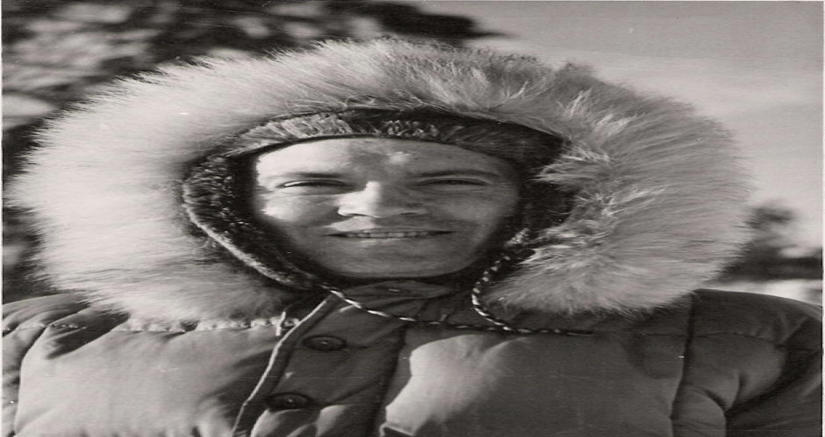
En la década de 1980, tuve la fortuna de conocer al Padre Segundo Llorente Villa, S.J., quien dedicó cuarenta años a evangelizar a los esquimales. Su labor, aunque aparentemente oscura, fue profundamente apreciada por aquellos a quienes servía. Al preguntarle sobre su trabajo, respondió: “Me pasé cuarenta años enseñando la señal de la cruz a los esquimales”. Su dedicación y amor por su misión sentaron las bases para la integración de los esquimales en la sociedad estadounidense. Su vida es un testimonio de cómo la fe y la perseverancia pueden transformar vidas y comunidades.
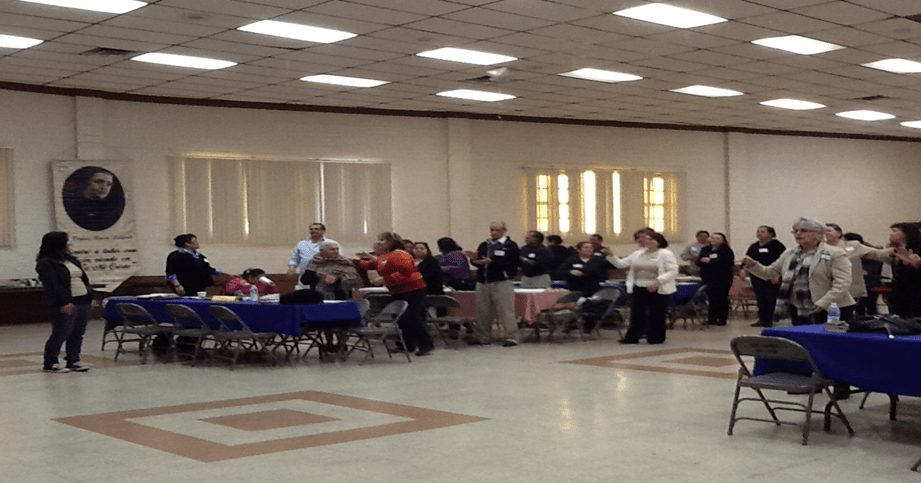
Congreso de Laicos Asociados a las Misioneras Hijas de la Purísima Virgen María – Norwalk, CA, USA
Nuestra Participación en la Restauración de la Sociedad
Para alcanzar esta meta, debemos prepararnos psicológica y espiritualmente. La transformación comienza en el hogar, la iglesia doméstica, y se extiende a la comunidad parroquial y, eventualmente, a la sociedad. Aquí hay algunas acciones prácticas que podemos considerar:
1. Dedicar tiempo a conocer a fondo nuestra fe.
2. Orar para entender y descifrar los signos de los tiempos.
3. Buscar la voluntad de Dios en nuestra vida y en nuestra comunidad.
4. Involucrarnos en actividades parroquiales que nos permitan ser agentes de cambio.
5. Llevar nuestra fe a la sociedad civil, participando en actividades cívicas que promuevan el bien común.
6. Comenzar cada día de nuevo, recordando que nuestro testimonio de vida es la clave para llevar la acción sanadora de Jesús al mundo.

Invitación a la Reflexión y Participación
Te invito a reflexionar sobre estas preguntas:
¿Qué significa para ti la autoridad de Jesús en tu vida?
¿Cómo puedes permitir que su poder actúe en tus luchas diarias?
Comparte tus pensamientos en los comentarios y no dudes en compartir este artículo con aquellos que puedan necesitar un mensaje de esperanza y liberación. Juntos, podemos promover un espacio de diálogo y crecimiento espiritual.
Además, si te ha inspirado este artículo, considera compartirlo en tus redes sociales utilizando la etiqueta #AutoridadDeJesus. Así, podremos crear una comunidad en línea donde podamos compartir experiencias y reflexiones sobre cómo vivir la fe en el mundo actual.
Fuentes del Artículo:
– Catena Aurea, Comentarios al Evangelio, San Marcos, Santo Tomás de Aquino, Ivory Falls Books, 2016
– Biblia de Jerusalén, Editorial Desclée, 1992
– Comentario Al Evangelio de Marcos, Juan Mateos, S.J. Centro de Reflexión Teológica, 1990
– La Noticia de Jesús según San Marcos, Luis Mosconi, Ediciones Dabar, 1993
– Wikipedia, la enciclopedia libre
– memorias de un sacerdote en el yukón segundo llorente
One-TimeMonthlyYearlyMake a one-time donation
Make a monthly donation
Make a yearly donation
Choose an amount
MX$5.00MX$15.00MX$100.00MX$5.00MX$15.00MX$100.00MX$5.00MX$15.00MX$100.00Or enter a custom amount
MX$
Your contribution is appreciated.
Your contribution is appreciated.
Your contribution is appreciated.
-
Signs of Hope in Times of Distress

Luke 21:25-28, 34-36
“There will be signs in the sun, the moon, and the stars; and on the earth, distress among nations, perplexed by the roaring of the sea and the waves, people fainting from fear and anxiety over what is coming upon the world; for the powers of the heavens will be shaken. And then they will see the Son of Man coming in a cloud with great power and glory.
When these things start to take place, stand up and raise your head, because your redemption is drawing near.” “Be on guard so that your hearts are not weighed down with dissipation, drunkenness, and the worries of life, and that day does not catch you unexpectedly, like a trap; for it will come upon all who dwell on the face of the whole earth. Stay awake, thus, always praying that you may have strength to escape all these things that are going to take place, and to stand before the Son of Man.”
See:
The passage from the Gospel presents a panorama of anguish and fear that resonates with the current reality: climate crises, conflicts, and inequalities. These “signs” generate anxiety in people, but the central message is one of hope. The invitation to “take heart” and “lift up your heads” reminds us that, despite the difficulties, we can find comfort and liberation in our faith in the Son of Man.
Judgment
1. How do the “anguishes of the people” manifest today in our society?
The anguishes of the people today manifest through various crises: economic, health, social, and environmental. Job uncertainty, rising inequality, and lack of access to basic services create a climate of anxiety and hopelessness. Social media, while connecting people, also amplifies feelings of loneliness and unease, creating a self-perpetuating cycle of anguish. Mental health has become a central issue, highlighting that many individuals struggle silently with their internal problems.
2. What roles do “dissipation” and “drunkenness” play in distancing us from what is essential?
Dissipation and drunkenness can be seen as forms of escapism in the face of life’s difficult realities. Instead of confronting our anguishes and seeking solutions, we often opt for immediate pleasure and distraction. This distances us from what is essential: self-awareness, connection with others, and a sense of purpose in life. By seeking instant gratification, we lose sight of what truly matters, like meaningful relationships and personal growth.
3. What does it mean to “stay awake” and “pray at all times” in our daily lives?
“Staying awake” implies an attitude of alertness and awareness about what is happening around us and within ourselves. It is a call not to fall into complacency and to be attentive to opportunities for growth and service. “Praying at all times” suggests maintaining a constant connection with the divine, seeking guidance and strength in every moment. In daily life, this translates into cultivating an active spirituality that helps us face challenges with serenity and purpose.
Act
1. What concrete actions can you take to support those who are suffering in your community?
To support those who are suffering in my community, I can get involved in local initiatives, like volunteering at community kitchens, mental health centers, or programs that help homeless individuals. I can also organize food and clothing drives, as well as offer my time to listen to and join those going through difficult times. Empathy and action are fundamental to building a more supportive community.
2. How can you prevent everyday worries from distancing you from your faith?
To prevent everyday worries from distancing me from my faith, I can set aside specific moments for reflection and prayer in my daily routine. Practicing gratitude and remembering the blessings in my life will help me keep a positive perspective. It is also helpful to surround myself with a faith community that supports and inspires me, as well as to read texts that strengthen my spirituality and remind me of the importance of trusting in a greater purpose.
3. What steps can you take to live with hope during difficulties?
To live with hope during difficulties, I can start by cultivating a positive mindset, focusing on what I can learn from each adverse situation. Setting small, achievable goals will allow me to see progress and stay motivated. Additionally, surrounding myself with people who share an optimistic outlook and who support me during tough times is crucial. Practicing resilience and remembering that difficulties are temporary will help me keep hope alive.
Sufferings and Hopes: The Reality of Migrant Caravans
The reality of migrant caravans risking everything to leave their homes in search of a better future is a clear reflection of the “anguishes of the people” mentioned in the Gospel. These families, often composed of parents, children, and grandparents, face a journey filled with dangers, exhaustion, and rejection. The decision to leave behind everything familiar is not easy; it is driven by desperation in the face of violence, extreme poverty, and a lack of opportunities in their places of origin.
Concrete Examples:
In many communities, we have observed how migrants endure inhumane conditions during their journey. From a lack of access to food and water to the risk of becoming victims of violence or exploitation, their stories serve as a testament to the anguish they experience. In some cases, reports have emerged of families losing loved ones along the way or being separated during their journey.
These experiences highlight the urgent need for compassion and support from the global community. It is essential to recognize the humanity of these individuals and families, understanding that their struggles are not just statistics, but real lives filled with hopes and dreams for a better tomorrow. By advocating for their rights and providing assistance, we can help alleviate some of the suffering they endure and foster a sense of hope midst their challenges.
Testimonies:
Stories like that of Maria, a mother who fled violence in her country and, despite the adversities, found support in a community that welcomed her, are examples of how hope can arise even in the most difficult circumstances. Her story of resilience and the search for a future for her children resonates with the message of liberation from the Gospel.
What resources exist in your community to help those in need?
It is essential that if there are aid associations in your community, you give information about organizations that support migrants, including shelters, legal services, and community groups that offer assistance. For example, local institutions that supply medical care, legal advice, and emotional support can be invaluable resources for those going through these difficulties.
Local Donations:
To help people in similar situations, you can donate clothing and food to organizations that support migrants, volunteer at local shelters, or join in awareness campaigns about the situation of migrants. Every small gesture counts and can make a significant difference in the lives of those who are suffering.
In conclusion, as we think on the anguishes and hopes of migrant caravans, we remember that, although they face overwhelming challenges, their search for a better future is a testament to human resilience. By coming together in solidarity and action, we can be part of the solution, offering support and hope to those who need it most.
Conclusion
Meditating on the passage from Luke leads us to a profound understanding of human anguish in the current context, where climate crises, conflicts, and inequalities create an atmosphere of anxiety and fear. Still, the central message of the Gospel is one of hope and liberation. The invitation to “take heart” and “lift up your heads” reminds us that, despite the difficulties we face, there is always a path toward light and redemption through our faith in the Son of Man.
As we think about the questions of judgment and action, it becomes clear that our response to these anguishes should not be resignation, but action. We are called to be agents of change in our communities, supporting those who suffer and cultivating a spirituality that keeps us connected to what is essential. The practice of being “watchful” and “praying at all times” provides us with the strength needed to face challenges, reminding us that we are not alone in our struggles.
Ultimately, this meditation invites us to live with an active hope, to be aware of our responsibilities, and to seek liberation not only for ourselves but also for those around us. In doing so, we align ourselves with the divine purpose and prepare to get the peace that can only come from authentic and committed faith. Thus, midst anguish, we find the opportunity to be light and hopeful in the world.
Note: Don’t forget to subscribe to get meditations directly during the Advent and Christmas season. You can also give a LIKE if you think it can help you spiritually prepare for Christmas and during the holiday season. Your support is greatly appreciated!
One-TimeMonthlyYearlyMake a one-time donation
Make a monthly donation
Make a yearly donation
Choose an amount
MX$5.00MX$15.00MX$100.00MX$5.00MX$15.00MX$100.00MX$5.00MX$15.00MX$100.00Or enter a custom amount
MX$
Your contribution is appreciated.
Your contribution is appreciated.
Your contribution is appreciated.
-
Angustias y Esperanzas: Reflexiones del Primer Domingo de Adviento

Primer Domingo de Adviento: Lc 21, 25-28. 34-36
«Habrá señales en el sol, en la luna y en las estrellas; y en la tierra, angustia de las gentes, perplejas por el estruendo del mar y de las olas, muriéndose los hombres de terror y de ansiedad por las cosas que vendrán sobre el mundo; porque las fuerzas de los cielos serán sacudidas. Y entonces verán venir al Hijo del hombre en una nube con gran poder y gloria.
Cuando empiecen a suceder estas cosas, cobrad ánimo y levantad la cabeza porque se acerca vuestra liberación.» «Guardaos de que no se hagan pesados vuestros corazones por el libertinaje, por la embriaguez y por las preocupaciones de la vida, y venga aquel Día de improviso sobre vosotros, como un lazo; porque vendrá sobre todos los que habitan toda la faz de la tierra Estad en vela, pues, orando en todo tiempo para que tengáis fuerza y escapéis a todo lo que está para venir, y podáis estar en pie delante del Hijo del hombre.»
Ver:
El pasaje del Evangelio presenta un panorama de angustia y temor que resuena con la realidad actual: crisis climáticas, conflictos y desigualdades. Estas “señales” generan ansiedad en las personas, pero el mensaje central es de esperanza. La invitación a “cobrar ánimo” y “levantar la cabeza” nos recuerda que, a pesar de las dificultades, podemos encontrar consuelo y liberación en nuestra fe en el Hijo del Hombre.
Juzgar:
1. Cómo se manifiestan hoy las “angustias de las gentes” en nuestra sociedad?
Las angustias de las gentes hoy se manifiestan a través de diversas crisis: la económica, la sanitaria, la social y la ambiental. La incertidumbre laboral, el aumento de la desigualdad y la falta de acceso a servicios básicos generan un clima de ansiedad y desesperanza. Las redes sociales, aunque conectan a las personas, también amplifican la sensación de soledad y desasosiego, creando un ciclo de angustia que se retroalimenta. La salud mental se ha convertido en un tema central, evidenciando que muchas personas luchan en silencio con sus problemas internos.
2. ¿Qué papel juegan el “libertinaje” y la “embriaguez” en alejarnos de lo esencial?
El libertinaje y la embriaguez pueden ser vistos como formas de evasión ante las realidades difíciles de la vida. En lugar de enfrentar nuestras angustias y buscar soluciones, a menudo optamos por el placer inmediato y la distracción. Esto nos aleja de lo esencial, que es el autoconocimiento, la conexión con los demás y el propósito de vida. Al buscar gratificación instantánea, perdemos de vista lo que realmente importa, como las relaciones significativas y el crecimiento personal.
3. *Qué significa “estar en vela” y “orar en todo tiempo” en nuestra vida diaria? “Estar en vela” implica una actitud de alerta y conciencia sobre lo que sucede a nuestro alrededor y dentro de nosotros mismos. Es un llamado a no caer en la complacencia y a estar atentos a las oportunidades de crecimiento y servicio. “Orar en todo tiempo” sugiere mantener una conexión constante con lo divino, buscando guía y fortaleza en cada momento. En la vida diaria, esto se traduce en cultivar una espiritualidad activa que nos ayude a enfrentar los desafíos con serenidad y propósito.
Actuar
1. ¿Qué acciones concretas puedes tomar para apoyar a quienes sufren en tu comunidad?**
Para apoyar a quienes sufren en mi comunidad, puedo involucrarme en iniciativas locales, como voluntariado en comedores comunitarios, centros de salud mental o programas de apoyo a personas sin hogar. También puedo organizar campañas de recolección de alimentos y ropa, así como ofrecer mi tiempo para escuchar y acompañar a quienes atraviesan momentos difíciles. La empatía y la acción son fundamentales para construir una comunidad más solidaria.
2. ¿Cómo puedes evitar que las preocupaciones cotidianas te alejen de tu fe?
Para evitar que las preocupaciones cotidianas me alejen de mi fe, puedo establecer momentos específicos para la reflexión y la oración en mi rutina diaria. Practicar la gratitud y recordar las bendiciones en mi vida me ayudará a mantener una perspectiva positiva. También es útil rodearme de una comunidad de fe que me apoye y me inspire, así como leer textos que fortalezcan mi espiritualidad y me recuerden la importancia de confiar en un propósito mayor.
3. ¿Qué pasos puedes dar para vivir con esperanza en medio de las dificultades?
Para vivir con esperanza en medio de las dificultades, puedo comenzar por cultivar una mentalidad positiva, enfocándome en lo que puedo aprender de cada situación adversa. Establecer metas pequeñas y alcanzables me permitirá ver el progreso y mantenerme motivado. Además, rodearme de personas que compartan una visión optimista y que me apoyen en momentos difíciles es crucial. Practicar la resiliencia y recordar que las dificultades son temporales me ayudará a mantener la esperanza viva.
Sufrimientos y Esperanzas: La Realidad de las Caravanas de Migrantes
La realidad de las caravanas de migrantes que se arriesgan a abandonar sus hogares en busca de un futuro mejor es un claro reflejo de las “angustias de las gentes” que se mencionan en el Evangelio. Estas familias, muchas veces compuestas por padres, hijos y abuelos, enfrentan un viaje lleno de peligros, cansancio y rechazo. La decisión de dejar atrás todo lo conocido no es fácil; está impulsada por la desesperación ante la violencia, la pobreza extrema y la falta de oportunidades en sus lugares de origen.
Ejemplos concretos:
En muchas comunidades, hemos visto cómo los migrantes enfrentan condiciones inhumanas en su travesía. Desde la falta de acceso a alimentos y agua hasta el riesgo de ser víctimas de violencia o explotación, sus historias son un testimonio de la angustia que sienten. En algunos casos, se han reportado situaciones de familias que han perdido a seres queridos en el camino o que han sido separadas durante su viaje.
Testimonios:
Historias como la de María, una madre que huyó de la violencia en su país y que, a pesar de las adversidades, encontró apoyo en una comunidad que la acogió, son ejemplos de cómo la esperanza puede surgir incluso en las circunstancias más difíciles. Su relato de resiliencia y la búsqueda de un futuro para sus hijos resuena con el mensaje de liberación del Evangelio.
¿Qué recursos existen en tu comunidad para ayudar a los necesitados?
Es fundamental que si en tu comunidad existen asociaciones de ayuda, proporciona información sobre organizaciones que apoyan a los migrantes, como refugios, servicios legales y grupos comunitarios que ofrecen asistencia. Por ejemplo, instituciones locales que brindan atención médica, asesoría legal y apoyo emocional pueden ser un recurso invaluable para quienes atraviesan estas dificultades.
. Donaciones Locales:
Para ayudar a las personas en situaciones similares puedes hacer donación de ropa y alimentos a organizaciones que apoyan a migrantes, el voluntariado en refugios locales o la participación en campañas de sensibilización sobre la situación de los migrantes. Cada pequeño gesto cuenta y puede marcar una gran diferencia en la vida de quienes sufren.
En conclusión, al reflexionar sobre las angustias y esperanzas de las caravanas de migrantes, recordamos que, aunque enfrentan desafíos abrumadores, su búsqueda de un futuro mejor es un testimonio de la resiliencia humana. Al unirnos en solidaridad y acción, podemos ser parte de la solución, ofreciendo apoyo y esperanza a quienes más lo necesitan.
Conclusión
La meditación sobre el pasaje de Lucas 21, 25-28. 34-36 nos lleva a un profundo entendimiento de la angustia humana en el contexto actual, donde las crisis climáticas, los conflictos y las desigualdades generan un clima de ansiedad y temor. Sin embargo, el mensaje central del Evangelio es uno de esperanza y liberación. La invitación a “cobrar ánimo” y “levantar la cabeza” nos recuerda que, a pesar de las dificultades que enfrentamos, siempre hay un camino hacia la luz y la redención a través de nuestra fe en el Hijo del Hombre.
Al reflexionar sobre las preguntas de juzgar y actuar, se hace evidente que nuestra respuesta a estas angustias no debe ser la resignación, sino la acción. Estamos llamados a ser agentes de cambio en nuestras comunidades, apoyando a quienes sufren y cultivando una espiritualidad que nos mantenga conectados con lo esencial. La práctica de estar “en vela” y “orar en todo tiempo” nos ofrece la fortaleza necesaria para enfrentar los desafíos, recordándonos que no estamos solos en nuestras luchas.
En última instancia, esta meditación nos invita a vivir con una esperanza activa, a ser conscientes de nuestras responsabilidades y a buscar la liberación no solo para nosotros, sino también para aquellos que nos rodean. Al hacerlo, nos alineamos con el propósito divino y nos preparamos para recibir la paz que solo puede venir de una fe auténtica y comprometida. Así, en medio de la angustia, encontramos la oportunidad de ser luz y esperanza en el mundo.
Nota: No olvides suscribirte para recibir directamente las meditaciones durante el tiempo de Adviento y Navidad. También puedes darle un LIKE si crees que te puede ayudar espiritualmente a prepararte para la Navidad y durante la temporada festiva. ¡Tu apoyo es muy apreciado!
One-TimeMonthlyYearlyMake a one-time donation
Make a monthly donation
Make a yearly donation
Choose an amount
MX$5.00MX$15.00MX$100.00MX$5.00MX$15.00MX$100.00MX$5.00MX$15.00MX$100.00Or enter a custom amount
MX$
Your contribution is appreciated.
Your contribution is appreciated.
Your contribution is appreciated.
-
La Vida y Enseñanzas de Jesucristo
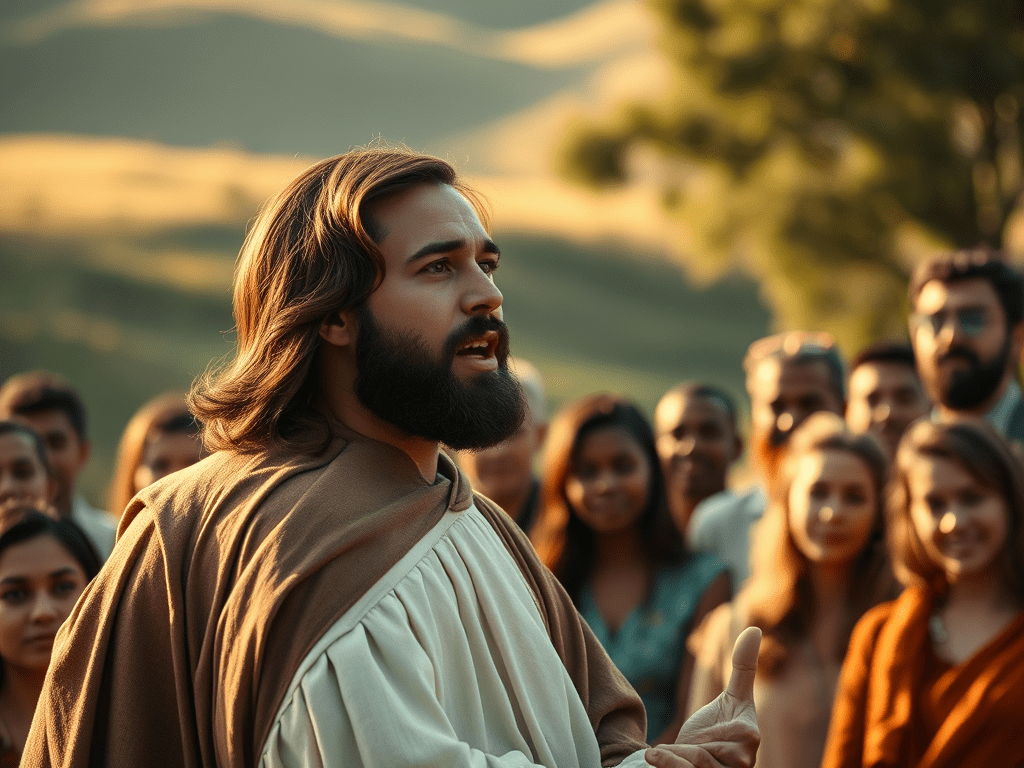
Introducción
En la actualidad, contar con un Curriculum Vitae es fundamental para iniciar cualquier carrera profesional, ya sea en el ámbito civil, religioso o social. Los elementos que se incluyen en este documento son tan esenciales que su correcta presentación puede determinar la posibilidad de alcanzar el trabajo o la vocación de nuestros sueños.
He decidido reestructurar la presentación de Jesús de una manera formal, siguiendo los lineamientos de la sociedad contemporánea. El objetivo es ofrecer una visión de Jesús que evalúe sus capacidades humanas y su misión divina, con el fin de guiarnos hacia una vida plena en la gracia y el Espíritu.
Espero que esta versión sea de su agrado.Nombre: Jesucristo
Fecha de Nacimiento: Aproximadamente 4 a.C.
Lugar de Nacimiento: Belén, Judea (actualmente parte de Israel)
Nacionalidad: Judía
Información de Contacto
– Dirección: Nazaret, Galilea
– Teléfono: (No disponible)
– Correo Electrónico: (No disponible)
Perfil Profesional
Líder espiritual y religioso con una misión centrada en la enseñanza de principios de amor, compasión y redención. Fundador del cristianismo, con un enfoque en la transformación espiritual y la promoción de la paz y la justicia social.
“Bienaventurados los pobres de espíritu, porque de ellos es el Reino de los Cielos. Bienaventurados los mansos, porque ellos poseerán en herencia la tierra. Bienaventurados los que lloran, porque ellos serán consolados. Bienaventurados los que tienen hambre y sed de justicia, porque ellos serán saciados. Bienaventurados los misericordiosos, porque ellos alcanzarán misericordia. Bienaventurados los limpios de corazón, porque ellos verán a Dios. Bienaventurados los que trabajan por la paz, porque ellos serán llamados hijos de Dios. Bienaventurados los perseguidos por causa de la justicia, porque de ellos es el Reino de los Cielos”. (Mateo,5,3-10)
Educación
– Estudios Religiosos y Filosóficos
– Institución: Sinagoga de Nazaret
– Año de Graduación: Aproximadamente 12 d.C.
– Descripción: Formación en las Escrituras hebreas y tradiciones judías.
Experiencia Profesional
Maestro y Predicador
– Ubicación: Judea y Galilea
– Años: Aproximadamente 27-30 d.C.
– Responsabilidades:
– Enseñanza de principios morales y éticos a través de parábolas y sermones.
– Realización de milagros, incluyendo sanaciones y multiplicación de alimentos.
– Promoción de un mensaje de amor, perdón y reconciliación.
“Entrad por la entrada estrecha; porque ancha es la entrada y espacioso el camino que lleva a la perdición, y son muchos los que entran por ella; más ¡qué estrecha la entrada y qué angosto el camino que lleva a la Vida!; y pocos son los que lo encuentran. (Mateo 7,13-14)
Fundador del Cristianismo
– Años: Aproximadamente 30 d.C. en adelante
– Logros:
– Establecimiento de una comunidad de seguidores (los apóstoles).
– Influencia en la creación de textos sagrados (Nuevo Testamento).
– Impacto duradero en la cultura, la ética y la espiritualidad a nivel mundial.
Habilidades
– Liderazgo: Capacidad para guiar y motivar a grupos diversos.
– Comunicación: Habilidad para transmitir mensajes complejos de manera accesible.
– Empatía: Comprensión profunda de las necesidades humanas y sociales.
– Resolución de Conflictos: Promoción de la paz y la reconciliación.
Publicaciones
– Los Evangelios: Mateo, Marcos, Lucas y Juan (testimonios sobre su vida y enseñanzas).
Referencias
– Apóstoles: Pedro, Juan, Santiago, entre otros.
– Seguidores: Multitudes que asistieron a sus enseñanzas y milagros.
Preguntas para Reflexionar
1. ¿Qué significa para mí el concepto de amor incondicional que Jesús enseñó?
– Reflexiona sobre cómo puedes aplicar este amor en tus relaciones diarias.
2. ¿Cómo puedo incorporar la humildad y el servicio a los demás en mi vida cotidiana?
– Considera ejemplos de cómo puedes ser más servicial y humilde en tus interacciones.
3. ¿De qué manera las enseñanzas de Jesús sobre el perdón pueden transformar mis relaciones personales?
– Piensa en situaciones en las que el perdón podría ser necesario y cómo podrías abordarlas.
4. ¿Qué papel juega la fe en mi vida y cómo puedo fortalecerla a través de la práctica y la comunidad?
– Evalúa tu relación con la fe y cómo puedes buscar apoyo en otros.
5. ¿Cómo puedo ser un agente de cambio positivo en mi comunidad, siguiendo el ejemplo de Jesús?
– Reflexiona sobre acciones concretas que puedes tomar para impactar positivamente a quienes te rodean.
Conclusión
La vida y enseñanzas de Jesús de Nazaret nos invitan a reflexionar sobre el amor, el servicio y la compasión. A través de sus ejemplos, somos desafiados a vivir de manera más consciente y a actuar con integridad en nuestras relaciones.
Al considerar estas preguntas, podemos encontrar formas de aplicar sus principios en nuestra vida diaria, convirtiéndonos en agentes de cambio y esperanza en un mundo que a menudo necesita más luz y amor. La invitación es a no solo admirar sus enseñanzas, sino a vivirlas activamente, transformando así nuestras vidas y las de quienes nos rodean.
Te invito a darle un me gusta y a subscribirte al blog para recibir mis artículos directamente.
Fuentes del Artículo:
Evangelios Sinópticos
One-TimeMonthlyYearlyMake a one-time donation
Make a monthly donation
Make a yearly donation
Choose an amount
MX$5.00MX$15.00MX$100.00MX$5.00MX$15.00MX$100.00MX$5.00MX$15.00MX$100.00Or enter a custom amount
MX$
Your contribution is appreciated.
Your contribution is appreciated.
Your contribution is appreciated.
-
“The Gaze of Love: A Transformative Encounter with Jesus”
The First Disciples
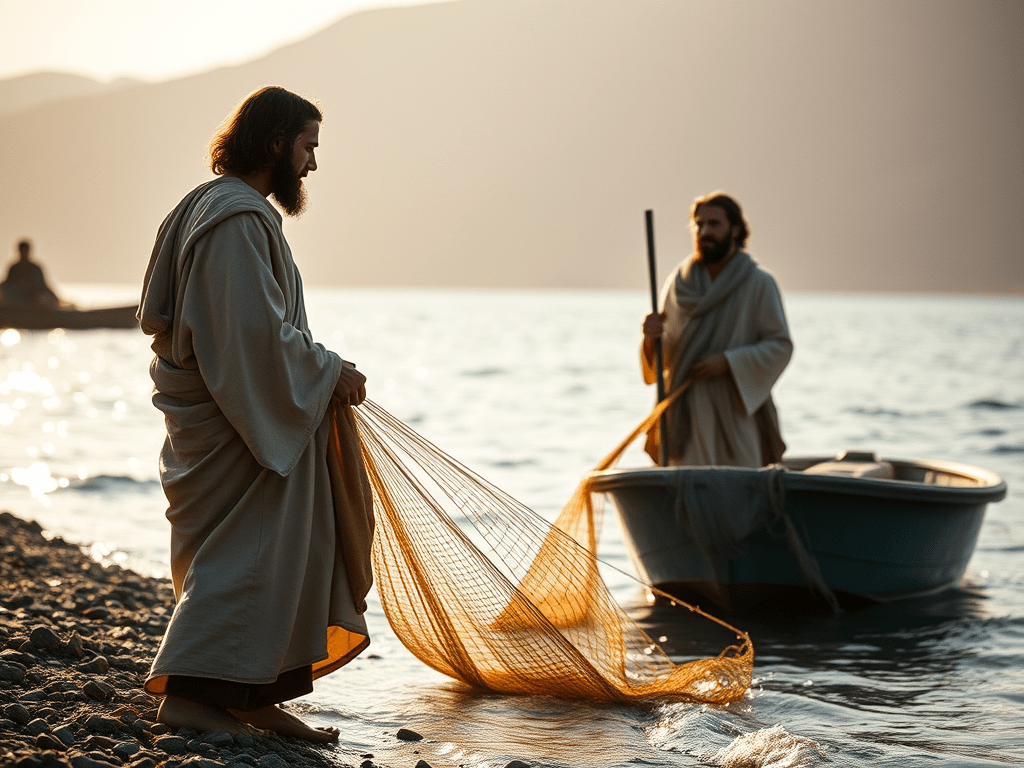
As Jesus walked along the shore of the Sea of Galilee, he saw Simon and his brother Andrew casting nets into the sea, for they were fishers. Jesus said to them, “Come, follow me, and I will make you fishers of men.” At once, they left their nets and followed him. A little farther along, he saw James, son of Zebedee, and his brother John in a boat, mending their nets. Without delay, he called them, and they left their father Zebedee in the boat with the hired men and followed him. Mark 1: 16-20
Passage Analysis
In this passage, the evangelist Mark presents the crucial moment when Jesus calls his first disciples. This meeting takes place on the shores of the Sea of Galilee, a location that will become the epicenter of his ministry. The choice of fishers as his first followers is not accidental; Jesus seeks collaborators who, despite lacking formal education, have valuable skills such as patience, perseverance, and the ability to work as a team.
Jesus’s initiative is clear: He is the one who calls and directs his gaze toward Simon and Andrew. This act of choice is significant, as it implies an invitation to leave behind their past lives and embark on a new mission. The immediate response of the disciples, who leave their nets without hesitation, reflects a deep faith and radical commitment. This sacrifice is even more remarkable considering that fishing was their means of livelihood and that of their families.
Zebedee´s Sons
Similarly, the call to James and John, who also leave their father Zebedee, highlights the urgency and importance of the mission that Jesus proposes to them. The phrase “I will make you fishers of men” suggests a transformation of their vocation; now, their work will be to draw others toward the message of the Kingdom of God. This metaphor of “fisher of men” implies not only the search for souls but also the need for patience and dedication—qualities that fishers already have.
Jesus invites them to continue their trade on a different level. Although they likely did not have formal academic education, they possessed the essential qualities of a fisher: sleepless nights, patience, and the ability to stay undiscouraged. They often spent long hours casting their nets, and despite not always achieving results, they persisted in their work, knowing that their efforts were vital to feed their families and generate income through the sale of their catch. This perseverance is a fundamental trait that Jesus recognizes and transforms into a skill for the new mission he entrusts to them.
Judging
To understand this situation, which illogical, it is important to consider that Jesus is calling those who will later proclaim the Kingdom and become the leaders of his mission. To delve deeper into this choice, we can turn to the Church Fathers, who offer valuable perspectives.
The Venerable Bede comments that ignorant fishers are sent to preach. Still, with this choice, Jesus wants us to understand that the power of God lies in the faith of believers and not necessarily in the eloquence of the preacher. This idea emphasizes the importance of authenticity and sincerity in the message, rather than rhetorical skill.
Furthermore, Bede helps us recognize the readiness with which these fishers change the course of their boats from the sea to the land. With their experience, they will be able to cast their nets in a new context and become true “fishers of men.” This change in direction symbolizes the transition from a life centered on material concerns to a life dedicated to spiritual mission. (– Catena Aurea, Comentarios al Evangelio, San Marcos, Santo Tomás de Aquino, Ivory Falls Books, 2016, pg. 18)
Theological Reflection
Theophilus reminds us that the father of James and John was not a young man, yet his sons followed Jesus without hesitation. This aspect is crucial for understanding the significance of their decision. Two key points must be analyzed: both Simon and Andrew, as well as James and John, although they were poor and contributed to the sustenance of their families, did not allow this situation to become an obstacle to following Jesus. Their willingness to leave everything behind highlights the strength of their faith and their wish to join in something greater than themselves.
This decision reflects a profound commitment to a new calling, one that transcends their immediate circumstances. It illustrates the transformative power of faith, which can inspire individuals to prioritize spiritual pursuits over material security. Their actions serve as a powerful reminder that true discipleship often requires sacrifice and a willingness to embrace uncertainty for the sake of a higher purpose.
Moreover, this narrative invites us to think about our own lives and the things we need to let go of to fully engage with our spiritual journey. The example set by these early disciples encourages us to consider what it means to follow Jesus wholeheartedly, even when it demands significant changes in our lives. Their legacy challenges us to evaluate our own commitments and the extent to which we are willing to respond to the call of God in our lives. (Catena Aurea, Comentarios al Evangelio, San Marcos, Santo Tomás de Aquino, Ivory Falls Books, 2016,pg.18)
Reflection of Saint Jerome
Saint Jerome offers another perspective by viewing the boat as a symbol of the worldly dealings that we must reject. By leaving their father according to the flesh, James and John not only abandon their home but also leave behind the old Adam, thus becoming a new creation in the image of God. This interpretation emphasizes that following Jesus entails a radical transformation of identity and values.
By analyzing the names of Simon, Andrew, James, and John, Saint Jerome transports us to transcendent images. He compares the four disciples to fundamental virtues: Simon stands for obedience, Andrew embodies manliness, James signifies the provider, and John symbolizes grace. Jesus builds His Church with these four disciples as its cornerstones, who represent the four cardinal virtues:
– Prudence: manifested through Simon’s obedience.
– Justice: embodied in Andrew’s steadfastness.
– Temperance: which allows one to overcome the serpent, represented by James.
– Fortitude: which pours forth God’s grace through John.
This vision from Saint Jerome invites us to consider how each of us can embody these virtues in our daily lives and in our relationships with God and others. It challenges us to think about our own character and the ways we can grow in these virtues, fostering a deeper connection with our faith and a more profound impact on the world around us. By striving to live out these qualities, we not only honor the legacy of the apostles but also contribute to the ongoing mission of the Church in our contemporary context. (– Catena Aurea, Comentarios al Evangelio, San Marcos, Santo Tomás de Aquino, Ivory Falls Books, 2016, pg.- 18-19)
Our Response
Many times, when we get the invitation to get involved in a ministry within the parish community, we feel fear—fear that we are not worthy, that we lack preparation, that we do not have the time, and other justifications. But, the disciples followed Jesus without hesitation because they saw His gaze of love and mercy directed toward them. That gaze penetrated deep into their hearts and captivated them.
I wonder if our fear is rooted in the fact that we have not taken the time to see and experience that gaze of Jesus toward us. It is impossible, if we allow that gaze to penetrate our hearts, to stay indifferent and not take a step ahead to follow Him. Through our testimony of life, we can proclaim to the world the love of a God who has sent His Son to teach us how to be His children as well.
In today’s world, it is essential that we pause and board the boat of the Church, leaving behind the world that, in its dizzying pace, drags us out to sea and away from the shore where Jesus is found. It is fundamental to stop and think about that gaze of love toward us and allow it to penetrate our hearts. We must leave behind the old man and give way to the disciple of Jesus, letting go of the nets that ensnare us and freeing ourselves from the bonds to pursue Jesus.
This call to action invites us to embrace our identity as disciples, to recognize the transformative power of Jesus’s love, and to actively join in the mission of the Church. By stepping out in faith, we can contribute to a community that reflects the love and grace we have received, becoming instruments of God’s message in a world that desperately needs it.
Personal Experience
During my time with the Missionary Daughters of the Immaculate Virgin Mary, my companions and I felt deeply inspired by the Sisters who led our school. It was a diverse community in terms of ages, and there were several young women who always encouraged us to follow Jesus.
Experience of Service
We were initiated into the group of Catechism Instructors, and they took us to marginalized neighborhoods to share our faith with children who were almost our age and lived in deplorable conditions. This experience opened my eyes to the reality of others and motivated me to dedicate my life to spreading the love of Jesus wherever I went.
Call to Action
I invite readers to think about how they can get involved in their community. Are there local groups where you can offer your time and skills? How can you share your faith and love in situations that need attention?
This call to action encourages each of us to take a step ahead, just as the disciples did, and to actively seek opportunities to serve and uplift those around us. By engaging with our communities, we can embody the love of Christ and make a meaningful impact in the lives of others. Let us not hesitate to respond to the call, for in doing so, we become instruments of hope and transformation in a world that longs for compassion and understanding.
Practical Steps to Take Action
To help this process of drawing closer to Jesus and our community, here are some concrete actions we can take:
1. Dedicate Time to Prayer: We can set aside the television, social entertainment, and worldly distractions for about 10 minutes to contemplate Jesus in prayer. This time of silence and reflection will allow us to open our hearts to His loving gaze.
2. Spiritual Reading: Let’s reserve 10 minutes to read the Holy Scriptures or a spiritual book that helps elevate our spirit to God. The Word of God has the power to transform our lives and guide us on our path.
3. Approach the Sacraments: It is essential to draw near to the sacraments, especially Reconciliation and the Eucharist. These are means of grace that strengthen us and allow us to renew our faith.
4. Quality Time with Family: Dedicate quality time to family, inviting children to live in harmony, respect, and love through our example. The family is the first place where we can live and share the values of the Kingdom of God.
These practical steps not only bring us closer to Jesus but also prepare us to be agents of change in our community. By cultivating our relationship with God and strengthening family bonds, we become witnesses of the love and grace we have received. In the end, every small effort counts and can have a significant impact on our lives and those around us. Let us act with faith and determination!
Conclusion
The choice of Jesus to call fishers as His first disciples invites us to think on the nature of vocation and divine calling. Often, the individuals chosen for great missions are not the most educated or influential, but rather those who are willing to follow and serve with an open heart.
This call reminds us that God looks beyond our qualifications and social status. He seeks those who are humble, ready to learn, and eager to respond to His call. The fishers, with their simple lives and willingness to leave everything behind, exemplify the kind of faith and commitment that Jesus desires from all of us.
As we contemplate our own vocations, we are encouraged to embrace our unique paths, recognizing that each of us has a role to play in God’s plan. Whether in our families, communities, or workplaces, we are called to be instruments of His love and grace. Let us be open to His invitation, ready to cast our nets and follow Him, trusting that He will equip us for the journey ahead.
Questions for Reflection
1. What does the concept of being a “fisher of men” mean to you in your daily life?
2. How can you apply the qualities of a fisher (patience, perseverance, teamwork) in your own life or ministry?
3. What sacrifices are you willing to make in response to a calling you feel in your life?
4. How can you recognize and respond to the calls that God makes to you in your everyday life?
5. What role does faith play in the decision to follow an unknown path, as the first disciples did?
6. How can we learn from the disciple’s willingness to leave behind the familiar and follow Jesus?
7. What lessons about leadership and service can we draw from the way Jesus called His disciples?
These questions encourage deep reflection on our personal journeys and our responses to God’s call. They invite us to consider how we can embody the spirit of discipleship in our lives and how we can be more attuned to the ways God is inviting us to serve and lead.
Invitation to Engage
We’d love to hear from you! Your thoughts and experiences enrich our community. Please take a moment to share your comments below, and don’t forget to subscribe to our blog for more inspiring content. Join us on this journey of reflection and growth—your voice matters! Thank you for being a part of our community!
One-TimeMonthlyYearlyMake a one-time donation
Make a monthly donation
Make a yearly donation
Choose an amount
MX$5.00MX$15.00MX$100.00MX$5.00MX$15.00MX$100.00MX$5.00MX$15.00MX$100.00Or enter a custom amount
MX$
Your contribution is appreciated.
Your contribution is appreciated.
Your contribution is appreciated.
-
Pescadores de Hombres: Lecciones de Fe y Vocación

Los Primeros Discípulos: Marcos 1, 16-20
Y pasando por la ribera del mar de Galilea, vio a Simón y a Andrés, su hermano, que estaban echando las redes en el mar, pues eran pescadores. Jesús les dijo: “Venid en pos de mí, y los haré pescadores de hombres”. Y dejando enseguida las redes, le siguieron. Habiendo pasado un poco más adelante, vio a Santiago, hijo de Zebedeo, y a su hermano Juan, remendando sus redes en la barca, y al instante los llamó. Ellos, dejando a su padre Zebedeo en la barca con los jornaleros, le siguieron.
Análisis del Pasaje
En este pasaje, el evangelista Marcos nos presenta el momento crucial en que Jesús llama a sus primeros discípulos. Este encuentro tiene lugar en la ribera del mar de Galilea, un lugar que se convertirá en el epicentro de su ministerio. La elección de pescadores como sus primeros seguidores no es casual; Jesús busca colaboradores que, aunque carezcan de educación formal, poseen habilidades valiosas como la paciencia, la perseverancia y la capacidad de trabajar en equipo.
La iniciativa de Jesús es clara: Él es quien llama y dirige su mirada hacia Simón y Andrés. Este acto de elección es significativo, ya que implica una invitación a dejar atrás sus vidas anteriores y embarcarse en una nueva misión. La respuesta inmediata de los discípulos, que dejan sus redes sin dudar, refleja una fe profunda y un compromiso radical. Este sacrificio es aún más notable considerando que la pesca era su medio de sustento y el de sus familias.
Pescadores de Hombres
Asimismo, la llamada a Santiago y Juan, quienes también abandonan a su padre Zebedeo, resalta la urgencia y la importancia de la misión que Jesús les propone. La frase “los haré pescadores de hombres” sugiere una transformación de su vocación; ahora, su labor será atraer a otros hacia el mensaje del Reino de Dios. Esta metáfora del “pescador de hombres” implica no solo la búsqueda de almas, sino también la necesidad de paciencia y dedicación, cualidades que los pescadores ya dominan.
Jesús les invita a continuar con su oficio en otra dimensión. Aunque es probable que no contaran con una educación académica formal, poseían las cualidades esenciales de un pescador: noches en vela, paciencia y la capacidad de no desalentarse. A menudo, pasaban largas horas echando las redes, y a pesar de no obtener resultados, persistían en su labor, sabiendo que su esfuerzo era vital para alimentar a sus familias y obtener un beneficio económico a través de la venta de su pesca. Esta perseverancia es un rasgo fundamental que Jesús reconoce y transforma en una habilidad para la nueva misión que les encomienda.
Juzgar
Para poder entender esta situación, que puede parecer fuera de la lógica, es importante considerar que Jesús está llamando a quienes en el futuro serán los que proclamarán el Reino y serán los líderes de su misión. Para profundizar en esta elección, recurramos a los Padres de la Iglesia, quienes nos ofrecen valiosas perspectivas.
Venerable Beda
El Venerable Beda comenta que unos pescadores ignorantes son enviados a predicar. Sin embargo, con esta elección, Jesús nos quiere hacer comprender que en la fe de los creyentes está el poder de Dios y no necesariamente en la elocuencia del predicador. Esta idea resalta la importancia de la autenticidad y la sinceridad en el mensaje, más que la habilidad retórica.
“Pero se preguntará alguno: ¿Cómo llamó de sus barcas de dos en dos a los pescadores?” “Además, Cristo sólo a Pedro dijo: ´No temas; ya desde este momento serás pescador de hombres¨ y que sin embargo, conducidas las barcas a tierra, ambos le siguieron”,
Además, Beda nos hace reconocer la prontitud con la cual estos pescadores cambian la navegación de sus naves del mar a la tierra. Con su experiencia, serán capaces de echar las redes en un nuevo contexto y convertirse en verdaderos “pescadores de hombres”. Este cambio de dirección simboliza la transición de una vida centrada en lo material a una vida dedicada a la misión espiritual.
“Así vosotros, cuando para seguir al Señor encontréis algún impedimento en vuestros padres, dejadlos y acercaos a Dios. Con esto se manifiesta que Zebedeo no creyó, aunque creyó la madre de estos dos apóstoles. Ella, una vez muerto Zebedeo, siguió a Cristo”.
Teófilo
Teófilo nos recuerda que el padre de Santiago y Juan no era un joven, y, sin embargo, sus hijos, sin titubear, siguieron a Jesús. Este aspecto es crucial para entender la magnitud de su decisión. Dos cosas debemos analizar: tanto Simón y Andrés como Santiago y Juan, aunque eran pobres y contribuían al sustento de sus familias, no permitieron que esta situación fuera un impedimento para seguir a Jesús. Su disposición a dejar todo atrás resalta la fuerza de su fe y el deseo de participar en algo más grande que ellos mismos.
“Así pues, no conviene tardarse, sino seguir a Dios inmediatamente. Después de estos, aparecen los pescadores Santiago y Juan, quienes aunque eran pobres, sostenían a su anciano padre”.
San Jerónimo
San Jerónimo ofrece una perspectiva adicional al ver en la barca el símbolo del trato del mundo que debemos rechazar. Al dejar a su padre según la carne, Santiago y Juan no solo abandonan su hogar, sino que también dejan atrás al viejo Adán, convirtiéndose así en una nueva creación, en imagen de Dios. Esta interpretación resalta la idea de que el seguimiento de Jesús implica una transformación radical de la identidad y de los valores.
Analizando los nombres de Simón, Andrés, Santiago y Juan, San Jerónimo nos transporta a imágenes trascendentales. Compara a los cuatro discípulos con virtudes fundamentales: Simón representa la obediencia, Andrés la virilidad, Santiago el suplidor y Juan la gracia. Jesús construye su Iglesia teniendo como vértices a estos cuatro discípulos, quienes simbolizan las cuatro virtudes cardinales:
– Prudencia: a través de la obediencia de Simón.
– Justicia: que se manifiesta en la firmeza de Andrés.
– Templanza: que permite vencer a la serpiente, representada por Santiago.
– Fortaleza: que derrama la gracia de Dios a través de Juan.
“Místicamente: somos conducidos al cielo, como Elías, en esta carroza de los cuatro pescadores”.
Esta visión de San Jerónimo nos invita a considerar cómo cada uno de nosotros puede encarnar estas virtudes en nuestra vida diaria y en nuestra relación con Dios y con los demás.
Nuestra Invitación a Actuar
Muchas veces, al recibir la invitación a involucrarnos en un ministerio de la comunidad parroquial, nos viene el pensamiento de que no somos dignos, que no tenemos la preparación, que no tenemos tiempo y otras justificaciones más. Sin embargo, los discípulos siguieron a Jesús sin titubear porque vieron su mirada de amor y misericordia hacia ellos. Esa mirada penetró hasta sus entrañas y les cautivó.
Me pregunto si nuestro miedo está más bien basado en que no nos hemos tomado el tiempo para ver y experimentar esa mirada de Jesús hacia nosotros. Es imposible, si dejamos que esa mirada penetre en nuestro corazón, quedarnos impasibles y no dar un paso al frente para seguirle. Con nuestro testimonio de vida, podemos proclamar al mundo el amor de un Dios que nos ha enviado a su Hijo para enseñarnos a ser también sus hijos.
En el mundo de hoy, es necesario que nos detengamos y nos subamos a la barca de la Iglesia, dejando atrás el mundo que, en su devenir vertiginoso, nos arrastra mar adentro y nos aleja de la orilla donde se encuentra Jesús. Es fundamental detenernos en esa mirada de amor hacia nosotros y permitir que penetre en nuestro corazón. Debemos dejar atrás al hombre viejo y dar paso al discípulo de Jesús, dejando nuestras redes que nos aprisionan y liberándonos de las ataduras seguir en pode Jesús.
La Mirada de Jesús en mi Vida
En el mundo de hoy, es necesario que nos detengamos y
nos subamos a la barca de la Iglesia, dejando atrás el mundo que, en su devenir
vertiginoso, nos arrastra mar adentro y nos aleja de la orilla donde se
encuentra Jesús. Es fundamental detenernos en esa mirada de amor hacia nosotros
y permitir que penetre en nuestro corazón. Debemos dejar atrás al hombre viejo
y dar paso al discípulo de Jesús, dejando nuestras redes que nos aprisionan y
liberándonos de las ataduras seguir en pos de Jesús.Mi Experiencia Personal
Durante mi tiempo con las Misioneras Hijas de la Purísima Virgen María, mis compañeras y yo nos sentimos profundamente inspiradas por las Hermanas que dirigían nuestro colegio. Era una comunidad diversa en edades, y había varias jóvenes muy bien parecidas que siempre nos animaban a seguir a Jesús.
– Experiencia de Servicio
Nos iniciaron en el grupo de Instructoras de catecismo y nos llevaban a barrios margina-dos para compartir nuestra fe con niños casi de nuestra edad que vivían en situaciones deplorables. Esta experiencia me abrió los ojos a la realidad de otros y me motivó a dedicar mi vida a dar a conocer el amor de Jesús donde quiera que fuera.
– Llamado a la Acción
Invito a los lectores a reflexionar sobre cómo pueden involucrarse en su comunidad. ¿Hay grupos locales donde puedan ofrecer su tiempo y habilidades? ¿Cómo pueden compartir su fe y amor en situaciones que necesitan atención?
Pasos Prácticos para ActuarPara facilitar este proceso de acercamiento a Jesús y a nuestra comunidad, aquí hay algunas acciones concretas que podemos tomar:
1. Dedicar Tiempo a la Oración: Podemos dejar la televisión, los entretenimientos sociales y mundanos por unos 10 minutos para dedicarlos a contemplar a Jesús en la oración. Este tiempo de silencio y reflexión nos permitirá abrir nuestro corazón a su mirada amorosa.
2. Lectura Espiritual: Podemos hacer 10 minutos de tiempo para leer la Sagrada Escritura o algún libro espiritual que nos ayude a elevar nuestro espíritu a Dios. La Palabra de Dios tiene el poder de transformar nuestras vidas y guiarnos en nuestro camino.
3. Acercamiento a los Sacramentos: Es fundamental acercarnos a los sacramentos, especialmente a la Reconciliación y la Eucaristía. Estos son medios de gracia que nos fortalecen y nos permiten renovarnos en nuestra fe.
4. Tiempo de Calidad en Familia: Dedicar tiempo de calidad a la familia, invitando con el ejemplo a los hijos a vivir en armonía, respeto y amor. La familia es el primer lugar donde podemos vivir y compartir los valores del Reino de Dios.
Reflexiones Finales
La elección de Jesús de pescadores como sus primeros discípulos nos invita a reflexionar sobre la naturaleza de la vocación y el llamado divino. A menudo, las personas que son elegidas para grandes misiones no son las más educadas o influyentes, sino aquellas que están dispuestas a seguir y a servir con un corazón abierto.
Preguntas para Reflexionar
1. ¿Qué significa para ti el concepto de ser “pescador de hombres” en tu vida diaria?
2. ¿Cómo puedes aplicar las cualidades de un pescador (paciencia, perseverancia, trabajo en equipo) en tu propia vida o ministerio?
3. ¿Qué sacrificios estás dispuesto a hacer en respuesta a un llamado que sientes en tu vida?
4. ¿Cómo puedes reconocer y responder a las llamadas que Dios te hace en tu vida cotidiana?
5. ¿Qué papel juega la fe en la decisión de seguir un camino desconocido, como lo hicieron los primeros discípulos?
6. ¿Cómo podemos aprender de la disposición de los discípulos para dejar atrás lo conocido y seguir a Jesús?
7. ¿Qué lecciones sobre liderazgo y servicio podemos extraer de la manera en que Jesús llamó a sus discípulos?
Gracias por recibirme en tu casa a través de mis artículos. No te olvides de darle “me gusta” y sobre todo suscríbete a mi blog que es gratis.
Fuentes del Artículo:
– Catena Aurea, Comentarios al Evangelio, San Marcos, Santo Tomás de Aquino, Ivory Falls Books, 2016
– Biblia de Jerusalén, Editorial Desclée, 1992
One-TimeMonthlyYearlyMake a one-time donation
Make a monthly donation
Make a yearly donation
Choose an amount
MX$5.00MX$15.00MX$100.00MX$5.00MX$15.00MX$100.00MX$5.00MX$15.00MX$100.00Or enter a custom amount
MX$
Your contribution is appreciated.
Your contribution is appreciated.
Your contribution is appreciated.
-
Social Challenges Pre-Vatican II and the Church’s Response

Introduction
The Second Vatican Council, held between 1962 and 1965, has faced criticism and rejection since its conclusion, particularly from the French bishop Marcel Lefebvre and his followers. These groups are fervent defenders of Latin Mass and the guidelines of the Council of Trent. Lefebvre rebelled against Pope Paul VI and was declared schismatic in 1975, meaning he formally separated from the Catholic Church.
This ultraconservative movement has taken the form of a “conspiracy theory” in certain sectors of bishops, priests, religious, and laypeople, who seek to impose and revive the resolutions of the Council of Trent and the Mass, now known as “Tridentine,” as well as the use of Latin as the only valid form of celebrating the Eucharist. These ideas have led to a division within the Church, and their promoters have been accused of heresy and schism, precisely what they criticize about the current ecclesiastical authority.
Ecumenical Delegation of Bishops and Conciliar Delegates
Councils are convened by the Pope when it is necessary to define dogmatic concepts, set disciplinary norms, change the organization of the Church, refute and condemn heresies, as well as update the communication of the Catholic faith to the faithful. All bishops are summoned and are obliged to attend unless there is a compelling reason that prevents them from fulfilling their duty.
Superiors of religious orders and abbots, as well as bishops who do not oversee a diocese, cardinals, and other delegates are also invited, all of whom have deliberative voting rights. Additionally, there are special participants including Catholic princes or their ambassadors, delegates of absent bishops, and clergy and laypeople with various assignments. All attendees must take an oath of fidelity to the Church and the Pope, according to the oath drafted in 1709 by Pope Gregory II.
The Second Vatican Council was the 21st general or ecumenical council held in the history of the Catholic Church. It took place during the autumn of the years 1962, 1963, 1964, and 1965. In contrast to the Council of Trent, which had only 25 participants in total and was held between 1545 and 1563, the Second Vatican Council was attended by more than 2,500 conciliar fathers, including bishops, theological experts, and other officials and observers from around the world. Hence, it can be considered a truly ecumenical and universal council.
Social Problems Pre-Vatican II
The social problems before the Second Vatican Council arose from various philosophical, labor, and social changes that took place between the late 19th century and the mid-20th century. Philosophical movements like Kantianism, Marxism, German Idealism, Positivism, Existentialism, and Feminism, along with the two World Wars that marked the beginning and the middle of the 20th century, were undoubtedly agents of change in modern society.
Among the members of the Catholic hierarchy who were concerned about these social issues and their consequences on people’s lives was Pope Saint Leo XIII. In his encyclical *Rerum Novarum*, promulgated on May 15, 1891, he warned about the social problems faced by workers and their right to a dignified life. Furthermore, he denounced the new individualistic political and economic currents that marginalized workers.
The Conclave That Changed the Face of the Church
The death of Blessed Pope Pius XII, known as the Pope of World War II, shook the Catholic world in the mid-20th century. After his passing, his funeral was held, and the cardinals were summoned, totaling 53 representatives from all continents, with a majority of 35 from Europe and 9 from Latin America. Due to restrictions imposed by communist countries, two of the cardinal electors were unable to travel, limiting the number of participants.
The conclave began on October 25 and concluded on October 28 with the election of Cardinal Angelo Roncalli, Patriarch of Venice, who took the name John XXIII. The Catholic world was filled with joy as white smoke emerged from the chimney of the Sistine Chapel, announcing the election of the new Pope.
At a young age, and thanks to Religion classes in my Catholic school, I was able to grasp the significance of this event. Years later, I not only experienced the results of this election but also had the opportunity to learn firsthand about the historical, liturgical, and experiential relevance of a faith that is more accessible to ordinary people like me, who do not wear a cassock or religious habits but have been clothed and consecrated by the grace of baptism as priests, prophets, and kings.
Sessions and Study Commissions
The conciliar fathers were provided with drafts of the documents, and study commissions were formed. Yet, the participants felt that these drafts did not adequately tackle the issues of the modern world nor offered an effective approach to other Christians.
In the first session, the voting to appoint the leaders of the commissions was postponed, and the original proposals for the documents were rejected. It was proposed and accepted to form committees by regions. Additionally, the drafts had to be rewritten according to the contributions of those attending, which led to the suspension of this first session just 15 minutes after it had begun.
Considerations When Reading the Documents
It is important to pay special attention to the four constitutions. The documents of the Council are divided into four constitutions, nine decrees, and four declarations.
The constitutions tackle doctrinal issues related to the nature of the Church, while the decrees and declarations focus more specifically on concrete pastoral areas.
We should avoid labeling these documents as mere changes. The spirit that inspires them reflects Pope John XXIII’s idea of “aggiornamento,” which means bringing things up to date, as well as the concept of “returning to the sources,” representing the conciliar fathers’ vision of modernizing the Church by returning to Tradition. (A Concise Guide to the Documents of Vatican II, pp. 1-7)
The Conspiracy Theory About the Validity and Authenticity of the Second Vatican Council and the Popes of the 20th and 21st Centuries
We are in an era marked by conspiracy theories, which, due to the political climate, have also permeated the religious sphere. Some proponents of these theories have developed the idea that certain American cardinals forced the election of Pope John XXIII, arguing that this election would be illegitimate.
Today, there are ultraconservative currents that deny and preach the invalidity of the Second Vatican Council. They reject its liturgical guidelines, especially the celebration of the Eucharist in the vernacular and the different versions of the Eucharistic Prayers. Yet, it is important to note that the words of consecration are the same in the four different versions.
To declare the Second Vatican Council invalid and heretical is illogical and false. The Catholic Church has never had such a broad universal representation as it did in this Council. In any case, the Council of Trent should be analyzed, as the representation of only 25 conciliar fathers out of a clergy of 1,200 is disproportionate and does not show the reality of the time of the Reformation, although this would be taking it out of context.
Another reason put forth by these groups, which have been declared schismatic, is that Blessed Pope John XXIII was an illegitimate pope, which, according to their logic, would invalidate the Council because the Pope would not have the authority to call it.
This supposed illegitimacy of John XXIII’s election would lead to the illegitimacy of the Second Vatican Council, as well as the illegitimacy of the election of Pope Paul VI and the bishops and cardinals appointed and consecrated by these popes. Furthermore, since the next Popes were appointed and consecrated by these popes, it is argued that none of the Popes up to the current one would be legitimate, which would imply that their teachings and those of the Second Vatican Council are also invalid.
The Postconciliar Liturgical Life
As someone who has lived through the transition of the Second Vatican Council, I have experienced both Pontifical Masses and “modern” concelebrated Masses. The pomp of the Tridentine Masses was more about expectation than participation, and often the duration of over two hours was due to the liturgical chants in Latin, which were often performed solely by the organist and a cantor, due to the lack of trained and privileged voices.
After the Council, Masses became more participative, and we understand much better the readings that are proclaimed in the vernacular language (specific to the location) where the celebration takes place. The participation of the faithful in the choir, with more accessible instruments and easy-to-follow melodies, fosters a communal participation in which we all take part in the liturgical celebration, giving meaning to our faith.
The involvement of laypeople in the pastoral mission of the Church is hopeful and filled with faith. Having participated in Missionary Congresses and International Religious Education Congresses, both in Mexico and the United States, I have seen how children, adolescents, and adults are initiated and formed in apostolic work. This experience has been very enriching. The Church in motion nourishes, enlightens, and inspires us to live and proclaim the Gospel in our society, which has been an invaluable life experience.
Local and worldwide Eucharistic Congresses, International Youth Congresses, and various lay movements show that the Church is a living Church, in motion, sowing hope, enthusiasm, and solidarity in a world where secular society is gaining ground.
Our Personal Response to the Current Situation of the Church
To support and strengthen our faith and that of our community, we must:
1. Pray for the Pope, bishops, and priests who are brutally attacked through social media.
2. Pray for those seeking faith through these media, that they may not be deceived and seek valid clarifications grounded in the Catechism of the Catholic Church.
3. Pray for the enemies of the Church, legitimately instituted by Jesus Christ and the Apostles.
4. Study and actively engage in the life of local communities.
Questions for Personal Reflection
1. How can I personally contribute to the unity and strength of my faith community in times of division and confusion?
2. What steps can I take to deepen my understanding of the Catechism of the Catholic Church, and how can I share that knowledge with others?
3. In what ways can I be an active witness of faith in my environment, especially in the face of criticism and attacks against the Church?
4. How can I foster constructive and respectful dialogue with those who have differing opinions about the Church and its teachings?
5. What spiritual practices can I incorporate into my daily life to strengthen my faith and that of those around me?
May the Lord, who has promised to help the Church until the end of time, continue to be our guide, light, and strength to live our faith with fidelity.
Sources of the Article
1. A Concise Guide to the Documents of Vatican II, St. Anthony Messenger Press, 2007
2. Catholic.net
3. Historia de la Iglesia Católica, Pedro García CMF
– Autor: Pedro García CMF
– Fuente: Parroquia del Corazón de María, San Salvador, El Salvador C. A
4. Los Concilios Ecuménicos (Especial)
– Autor: n/a
-Fuente: [www.mercaba.org](www.mercaba.org)
5. Así es el proceso de elección del papa, MELISSA SARTORE
-Autor: Melissa Sartore
– Fuente: No especificada
One-TimeMonthlyYearlyMake a one-time donation
Make a monthly donation
Make a yearly donation
Choose an amount
MX$5.00MX$15.00MX$100.00MX$5.00MX$15.00MX$100.00MX$5.00MX$15.00MX$100.00Or enter a custom amount
MX$
Your contribution is appreciated.
Your contribution is appreciated.
Your contribution is appreciated.

Reflexiones Espirituales
¡Bienvenidos a mis blog de Experiencias Espirituales!
EXPLORING SPIRITUALITY: Reflections, Meditations and Practica Tips
En este espacio, compartiré mis vivencias, reflexiones y aprendizajes en el camino de la espiritualidad. A través de relatos personales, meditaciones guiadas, y consejos prácticos, espero inspirar a otros a explorar su propia conexión con lo divino y a encontrar paz y propósito en su vida diaria. La espiritualidad es un viaje único y personal, y mi objetivo es crear una comunidad donde todos podamos aprender y crecer juntos. Ya seas nuevo en este camino o tenga años de experiencia, encontrarás aquí un lugar de apoyo y descubrimiento. Mi camino ha sido largo pero de gran aprendizaje tanto en México como en Estados Unidos. Dos culturas que me han enriquecido espiritualmente y me han dado luz en mi caminar.
Gracias por acompañarme en esta aventura. Espero que mis historias y reflexiones te ayuden a profundizar tu propia práctica espiritual y a vivir una vida más plena y consciente.
Welcome to my blog about Spiritual Experiences!
In this space, I will share my experiences, reflections, and learnings on the path of spirituality. Through personal stories, guided, meditations, and practical advice, I hope to inspire others to explore their own connection with the divine and find peace and purpose in their daily lives.
Spirituality is a unique and personal journey, and my goal is to create a community where we can all learn and grow together. Whether you are new to this path or have years of experience, you will find here a place of support and discovery. My journey has been long but full of great learning, both in Mexico and the United States. Two cultures that have enriched me spiritually and have given me light in my path.
Thank you for joining me on this adventure. I hope my stories and reflections help you deepen your own spiritual practice and live a fuller, more conscious life.
Ana María
 Reflexiones Espirituales